The United States has initiated a significant escalation in its enforcement of energy sanctions by targeting a major Chinese refinery and approximately 40 shipping entities. This move aims to disrupt the illicit transport of Iranian crude oil, which has increasingly flowed into global markets despite long-standing restrictions. By focusing on the downstream processing capacity in China and the logistics network facilitating these shipments, the administration is attempting to tighten the bottleneck on Tehran's primary revenue stream.
Disruption of Maritime Logistics and Transport
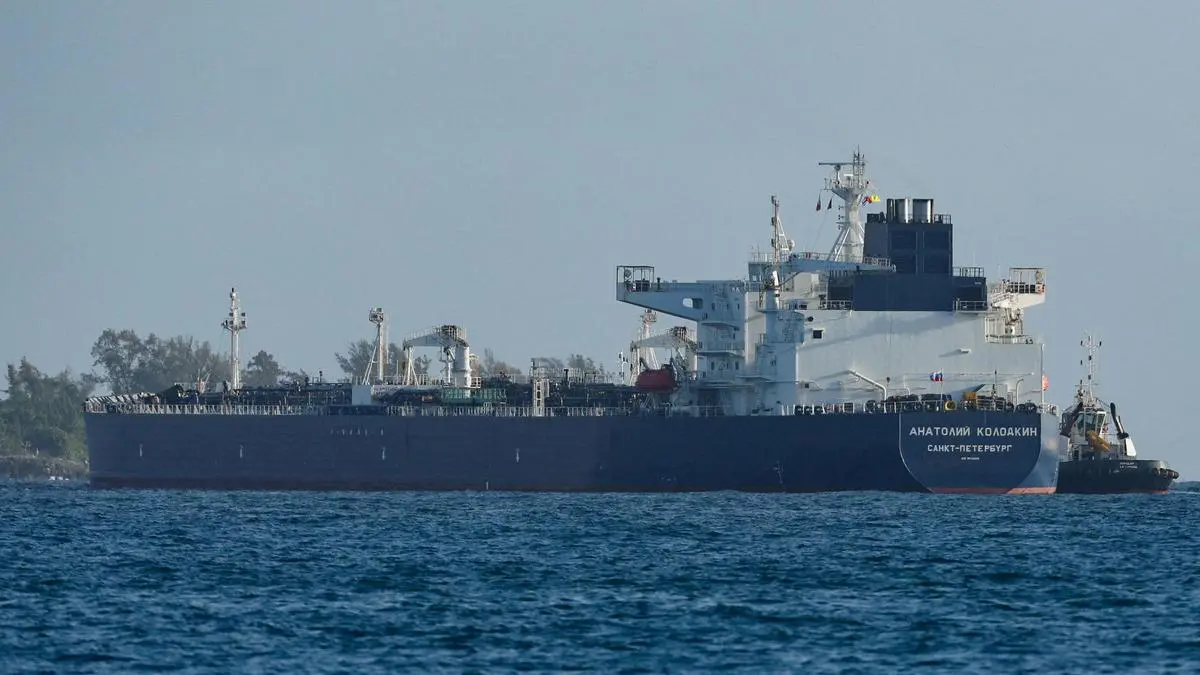
The sanctions specifically address the shipping infrastructure that enables Iranian oil to reach international buyers. By blacklisting roughly 40 shipping companies and individual tankers, the policy creates immediate operational friction for entities involved in the transfer of energy cargoes. These vessels often engage in ship-to-ship transfers to obscure the origin of the crude, a practice that complicates tracking for insurers and port authorities. The removal of these tankers from the legitimate global fleet forces a re-routing of supply chains and increases the cost of maritime insurance for vessels operating in regions with high concentrations of sanctioned cargo.
Impact on Refinery Throughput and Demand
The inclusion of a major Chinese refinery in the sanctions package marks a shift toward penalizing the end-users of Iranian crude. Refineries that process sanctioned oil face the risk of being cut off from the global financial system, which relies on US dollar clearing houses. This creates a binary choice for energy firms: either cease processing Iranian-origin feedstock or risk losing access to international capital and trade finance. The immediate effect is a reduction in the aggregate demand for Iranian barrels, as refineries prioritize compliance to maintain their operational viability in the broader commodities analysis landscape.
Market Context and Structural Adjustments
These sanctions occur against a backdrop of heightened geopolitical friction in the Gulf, where the security of energy transit remains a primary concern for global markets. While the immediate volume of oil removed from the market may be limited by the ability of buyers to find alternative suppliers, the administrative burden on shipping firms increases significantly. Traders are now forced to account for a higher risk premium on tankers operating in the region, which may lead to a temporary tightening of available tonnage for non-sanctioned routes.
AlphaScala data currently tracks the broader technology sector, where ON stock page holds an Alpha Score of 45/100, reflecting a mixed outlook as industrial supply chains adjust to shifting trade policies. While energy and tech sectors operate on different timelines, the tightening of trade enforcement remains a common thread influencing capital allocation.
The next concrete marker for this situation will be the publication of updated vessel tracking data and the subsequent response from Chinese state-owned energy firms regarding their procurement strategies. Market participants should monitor whether these sanctions lead to a measurable decline in tanker activity near Iranian ports or if the trade simply shifts to smaller, less visible shipping entities that operate outside the reach of conventional financial oversight. The effectiveness of these measures will be determined by the willingness of international banking institutions to enforce the new restrictions on refinery financing.