Back to Markets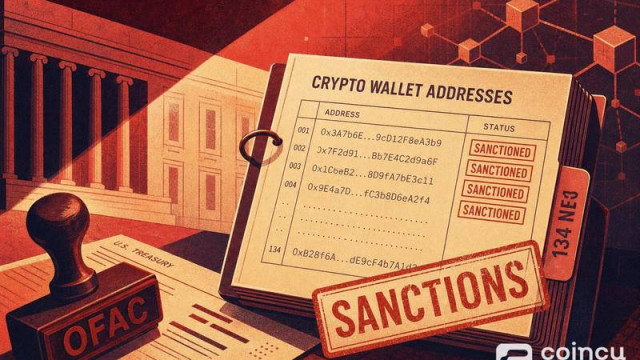
Crypto▼ Bearish
U.S. Sanctions 134 Crypto Wallets in Anti-ISIS Push
OFAC added 134 crypto wallet addresses tied to ISIS fundraising to the SDN list. Exchanges face immediate compliance burden as batch designation signals escalation in crypto sanctions enforcement.
Continue with
The U.S. Office of Foreign Assets Control added 134 cryptocurrency wallet addresses to the Specially Designated Nationals list on July 1, 2026, in a single enforcement action targeting financial networks linked to ISIS, the Treasury Department said.
The addresses span multiple blockchain networks and were tied to fundraising and money movement for ISIS, according to blockchain analytics firm Chainalysis, which published a detailed breakdown. The batch designation is one of the larger single actions OFAC has taken against crypto infrastructure tied to terrorism financing.
Any U.S. person or entity is now prohibited from transacting with those addresses. That includes exchanges, custodians, payment processors and individual users. Funds held in sanctioned wallets must be blocked, and any attempted transactions reported to OFAC within 10 business days.
Treasury has previously sanctioned individual crypto addresses linked to drug trafficking and money laundering. A batch of 134 addresses represents a coordinated intelligence effort rather than a routine update, the department said.
For exchanges, the compliance obligation is immediate. Platforms must cross-reference the newly listed addresses against transaction histories and current holdings. Automated screening tools that integrate SDN list updates in near real-time are standard at major exchanges.
Custodians and over-the-counter desks face the same requirements. Any business that touches U.S. financial infrastructure must ensure it does not process transactions linked to flagged wallets.
Retail users are not exempt. A person who sends funds to a sanctioned address, even unknowingly, could face legal consequences. OFAC's sanctions search tool allows anyone to verify addresses before transacting.