US Retailers Get $100bn Tariff Refund After Supreme Court Ruling
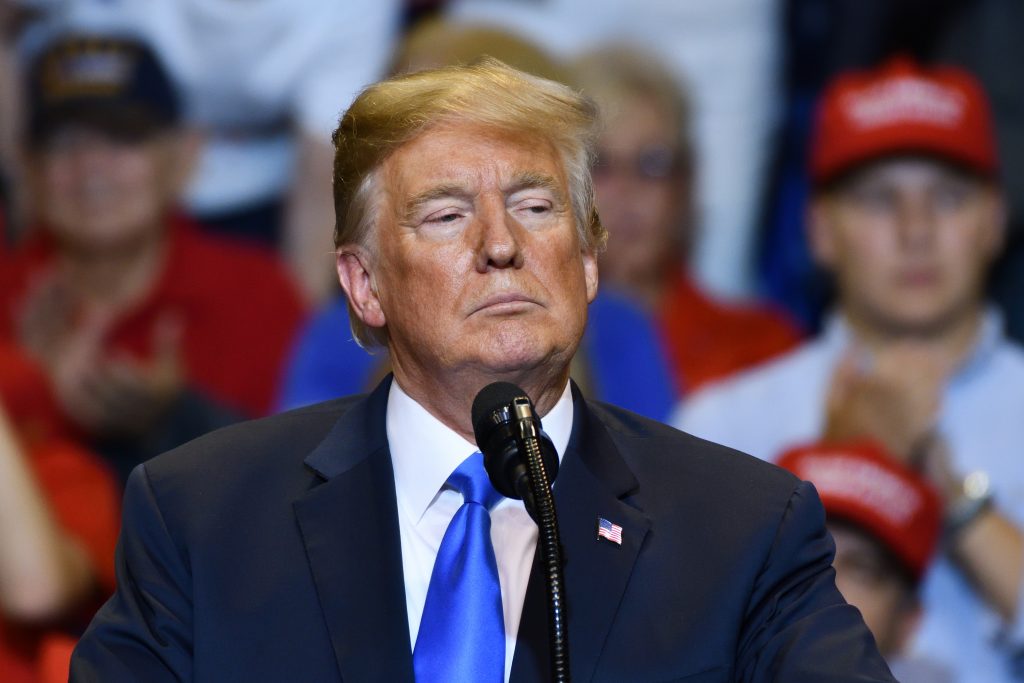
The Supreme Court struck down part of Trump's 'liberation day' tariffs, forcing the government to return $100bn to importers. Replacement duties keep pressure on retailers.
The US government is refunding roughly $100bn (£74bn) in tariffs that the Supreme Court ruled unlawful in February. The repayments cover 60% of the $165bn collected under Donald Trump's "liberation day" duties, customs officials told the US Court of International Trade. Retailers that imported products directly and acted as the importer of record stand to see cash tied up in customs duties return to their balance sheets.
The refunds apply mostly to sectors like fashion, footwear, furniture, electricals and general merchandise – businesses with heavy exposure to global sourcing. Companies that bought through wholesalers or overseas suppliers may not receive repayments directly. They would depend on supply-chain partners passing the benefit along, a process that is far from guaranteed.
No one should expect an immediate drop in prices at the checkout. Many retailers absorbed part of the tariff costs to keep prices competitive. The returned cash could go toward repairing margins, covering higher wages, freight, property costs or other operating expenses. Retailers that raised prices after the duties were imposed now face a choice: reverse the increases, fund more discounting, or hold the cash as a buffer against further trade disruption.
The refund does not end the tariff programme. The Trump administration introduced a replacement round of duties last month covering more than 80 countries, including the UK, China, India, Canada, Mexico, Australia and the EU. The new rates range from 10% to 12.5% and replaced a global 10% duty that was set to expire. They were imposed under section 301 of the Trade Act of 1974; the administration said the affected countries had not done enough to stop products made with forced labour.
A coalition of 25 US states has challenged the replacement tariffs in court. They argue the forced-labour justification is a pretext for reinstating duties the Supreme Court struck down. The states claim the measures cover 99.4% of US imports across 59 countries and the EU. They have asked the Court of International Trade to block the tariffs, declare them unlawful and order repayment of duties already collected.
For British retailers operating in the US, the replacement tariffs mean landed costs and pricing strategies remain uncertain. Companies must figure out whether any historical payments are eligible for refunds while assessing their exposure to the new duties. Supplier contracts need review to establish who acted as importer of record.
About $65bn of the original tariff income is still outstanding. With a replacement regime already facing a legal challenge, retailers continue to wrestle with uncertainty over sourcing costs, margins, inventory decisions and consumer prices.
Drafted by a large language model from the source reporting linked above, then screened by automated publishing checks. It is not read by a journalist before publication. Some articles cite our Alpha Score. Verify prices and figures against the original source. Educational coverage, not personalized advice.