Stocks● Neutral
US-Iran Agree to Pause Strikes, Meet in Doha on Hormuz Strait
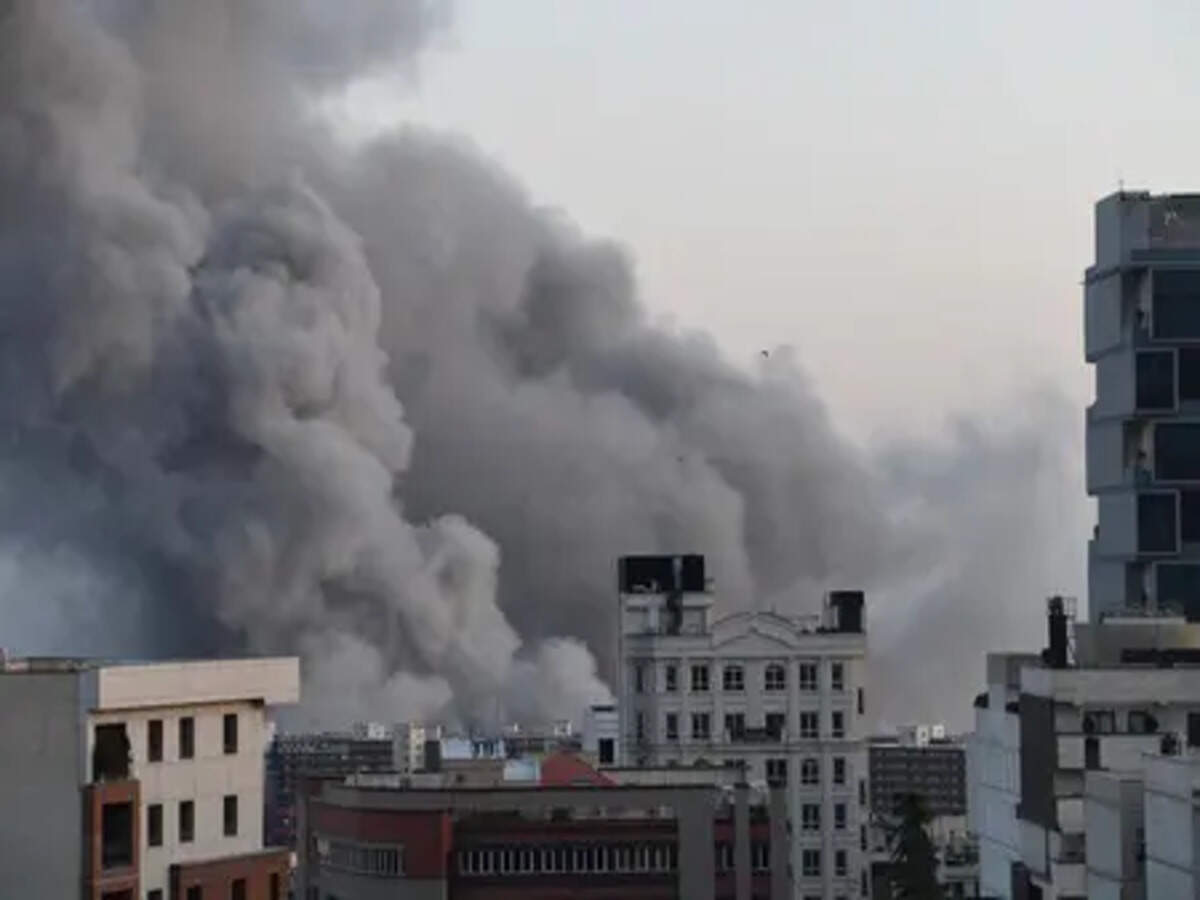
The reported pause in US-Iran strikes removes some near-term risk premium from crude oil. The Doha meeting on Tuesday will determine if the shipping security agreement holds.
Continue with
The United States and Iran have agreed to pause military strikes and will hold talks in Doha on Tuesday to ease tensions over the Strait of Hormuz, Axios reported. The discussions, initially focused on Iran's nuclear programme, will now prioritize shipping security. Both sides are continuing technical negotiations and coordination separately.
The Strait of Hormuz is a chokepoint for about 20% of global oil shipments. A disruption there directly affects crude prices and the cost of refined products. Shipping insurance costs have risen over the past week. The reported pause removes an immediate risk premium from energy markets. The Doha meeting introduces a new source of volatility.
An agreement on shipping corridors or a truce timeline would push crude lower. Oil traders would view a formal deal as a signal that both sides want de-escalation. That could trigger a sharper repricing of crude and refined product spreads.