Stocks● Neutral
How Importers Use AI to Hedge Against Supreme Court Tariff Risks
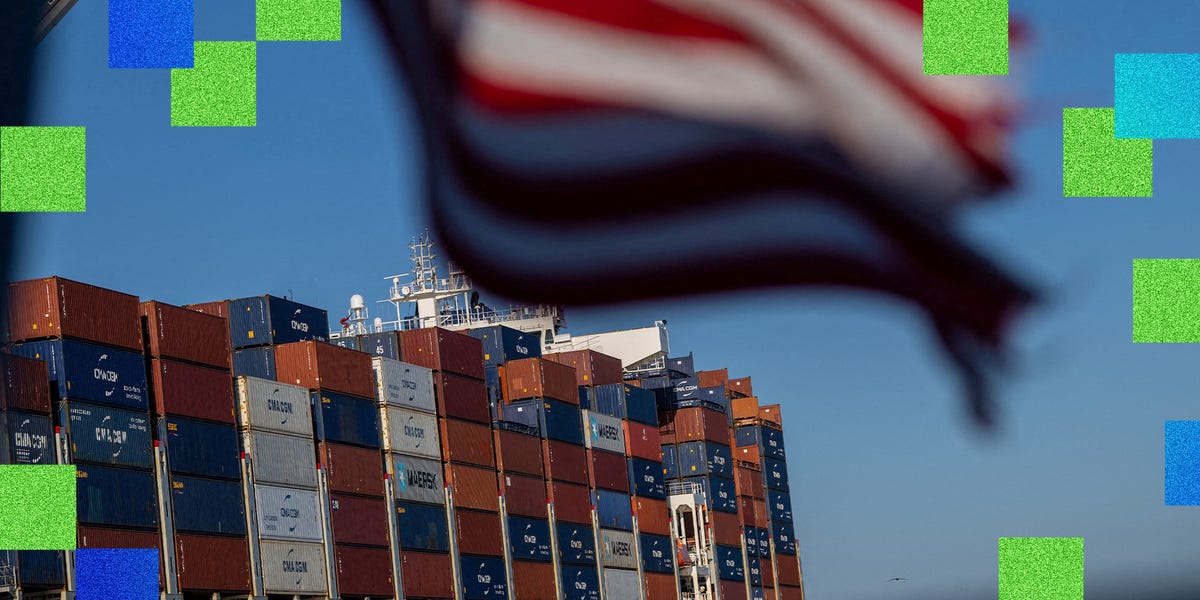
Generative AI tools now automate HTS data analysis to model 10% to 20% tariff hikes. Firms leveraging these workflows aim to defend margins amid trade volatility.
Continue with
US importers are increasingly deploying generative AI tools to manage the financial fallout of evolving trade compliance requirements and potential Supreme Court tariff rulings. Firms like KPMG and EQI are utilizing these models to automate the identification of tariff refunds and conduct complex scenario planning as supply chain costs remain under pressure.
The Cost of Compliance
Tariff management remains a labor-intensive process for large-scale importers. Historically, companies relied on manual audits and spreadsheet-based tracking to claim duty drawbacks or identify discrepancies in customs filings. Generative AI allows these firms to ingest vast quantities of Harmonized Tariff Schedule (HTS) data and cross-reference it with internal procurement logs to highlight refund opportunities that were previously buried in administrative backlogs.
For firms operating in the manufacturing and retail sectors, the ability to model the impact of a 10% or 20% tariff increase in real-time is no longer a luxury. AI-driven simulation allows procurement teams to adjust sourcing strategies before a policy shift takes effect, effectively shortening the feedback loop between geopolitical policy and corporate margin protection.
Market Impact and Margin Defense
Traders tracking supply chain-heavy industries should view this adoption as a defensive measure for corporate margins. When tariffs rise, the companies that can identify and execute mitigation strategies—such as duty avoidance or re-classifying goods under more favorable HTS codes—will outperform those burdened by legacy compliance costs. This is particularly relevant for companies heavily exposed to crude oil profile price fluctuations, as shipping and logistics overheads often compound with tariff-related expenses to squeeze operating income.