US Central Command struck Iranian missile launch sites and mine-laying vessels in southern Iran on May 25, the latest escalation in a military campaign that began on February 28, 2026. The targets sat near the Strait of Hormuz, a chokepoint for roughly one-fifth of global oil shipments. Secretary of State Marco Rubio said ceasefire negotiations in Doha could take several more days at the time of the strikes. CENTCOM described the action as self-defense, aimed at protecting US troops and assets.
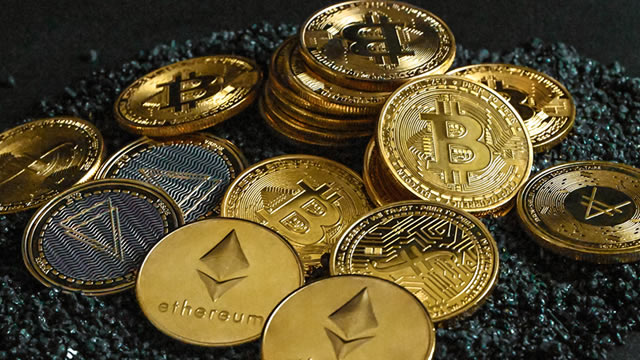
For crypto markets, this event is not a new shock. Since late February, each US strike on Iranian assets has produced a sharp two-to-four percent drawdown in Bitcoin and Ethereum, followed by a recovery within 12 to 24 hours. The May 25 action fits that pattern so far. The question for traders is whether the sixth escalation will behave like the first five – or whether the setup has changed.
CENTCOM Strikes Near Strait of Hormuz: What Changed
Military Campaign Timeline
The May 25 action is part of joint US-Israel operations that first targeted Iranian military infrastructure on February 28, 2026. Since then, strikes have hit missile sites, drone facilities, and naval assets across southern Iran. Each strike has generated headlines but no sustained shift in crude oil prices or broad market risk appetite. The Strait of Hormuz remains open and oil flows have not been disrupted, which has limited the contagion to energy-linked assets.
Secretary Rubio on Ceasefire Timeline
Rubio characterized the Doha talks as ongoing with no imminent breakthrough. That timeline matters for crypto because it signals that the conflict will remain at a steady-state level of tension – high enough to produce periodic strikes, low enough to avoid full-scale disruption. A ceasefire announcement would remove the primary geopolitical trigger for overnight volatility. The absence of one keeps the pattern alive.
Crypto Market Exposure: The 24/7 Repricing Mechanism
Bitcoin and Ethereum React
When the May 25 strikes broke, New York equity markets were closed. Bitcoin and Ethereum repriced risk in real time on 24/7 exchanges. Early Asian session volumes showed a drop followed by a snap back within four hours – consistent with the pattern observed after the March strikes. The move was amplified by thin liquidity during off-peak hours: a single market sell order can push prices down two to three percent before arbitrage bots and European desks step in.
For traders holding leveraged positions, the timing matters. Positioned short before the strikes, the sudden dip offered a quick exit or profit. Positioned long, the drawdown forced margin calls on perpetual swaps with high leverage. The same mechanism repeats each time because the market structure has not changed.
The Energy-Mining Link
The Strait of Hormuz is relevant to crypto beyond headlines. A disruption there would raise energy costs globally, directly impacting proof-of-work mining economics. Higher electricity prices squeeze Bitcoin miner margins, potentially forcing miners to sell BTC reserves to cover operating costs. That linkage is indirect – oil flows have not been cut – but each escalation raises the probability of a supply shock, which would feed into mining hashprice calculations.
Sanctions and On-Chain Tracing: The $344 Million Freeze
$10.3 Million Outflow After March Strikes
In April 2026, US sanctions froze $344 million in crypto wallets linked to Iran. After the prior US strikes in early March, on-chain analysts detected approximately $10.3 million in outflows from Iranian-linked platforms. Those two numbers frame the current risk for crypto participants who process transactions near sanctioned jurisdictions.
The freeze signals that digital assets are now a standard tool in economic warfare. On-chain forensics can identify Iranian-linked wallets with high confidence, allowing the US Treasury to issue blocking orders quickly. The $10.3 million outflow after March shows that Iranian entities can move capital in response to military action, though the amounts are small relative to daily exchange volumes.
Compliance Risks for Exchanges
For centralized exchanges, the operational risk is immediate. Freezing orders arrive with no advanced warning and lock customer funds, triggering legal disputes and withdrawal delays. Reputational damage from being used to bypass sanctions can accelerate regulatory reviews in multiple jurisdictions. Several European regulators have cited the $344 million freeze when tightening know-your-customer rules for large transfers from platforms with weak sanctions screening.
The V-Shaped Recovery: How Long Will It Hold?
Liquidity and Arbitrage Dynamics
Crypto markets are fragmented across global venues with varying regulatory regimes. When a geopolitical event breaks during low-volume hours – 3 AM Sunday in New York, for example – a single large sell order can push prices down several percent before arbitrageurs step in. The bounce comes when European and Asian desks reprice the event with more capital. That structure explains why drawdowns are sharp and recoveries fast.
A trader can exploit this by entering limit orders at two to three percent below the pre-event price during off-peak hours, paired with stop-losses that trigger if the pattern breaks. The risk is that the next escalation fails to recover – if the conflict moves from periodic strikes to a sustained blockade of the Strait of Hormuz, energy costs would spike and mining economics would shift structurally.
What Would Break the Pattern
A material de-escalation would require either a ceasefire deal in Doha or a unilateral halt from one side. Rubio's comment that talks could take days suggests neither is imminent. On the other side, a confirmed disruption of oil flows through the Strait of Hormuz would introduce a new variable that the current pattern cannot absorb. Mining hashprice, energy costs, and inflation expectations would all repricing in ways that could sustain selling pressure beyond the typical 24-hour window.
For traders, the watchlist items are: (1) any announcement from CENTCOM about additional naval assets in the strait, (2) on-chain signals of larger outflows from Iranian wallets (above $10 million in a 24-hour window), and (3) any sanctions update from OFAC that names specific exchanges. None of these are present as of May 25. The pattern holds.
For broader context on how geopolitical shocks interact with digital asset markets, see the crypto market analysis page. Detailed profiles for Bitcoin (BTC) and Ethereum (ETH) include historical volatility regimes. Previous coverage of this conflict is in Iran Condemns US Strikes as Ceasefire Breach, Crypto Braces.