Macro● Neutral
U.S. Hits Canada With 50% Tariffs on $20B as Trade Talks Collapse
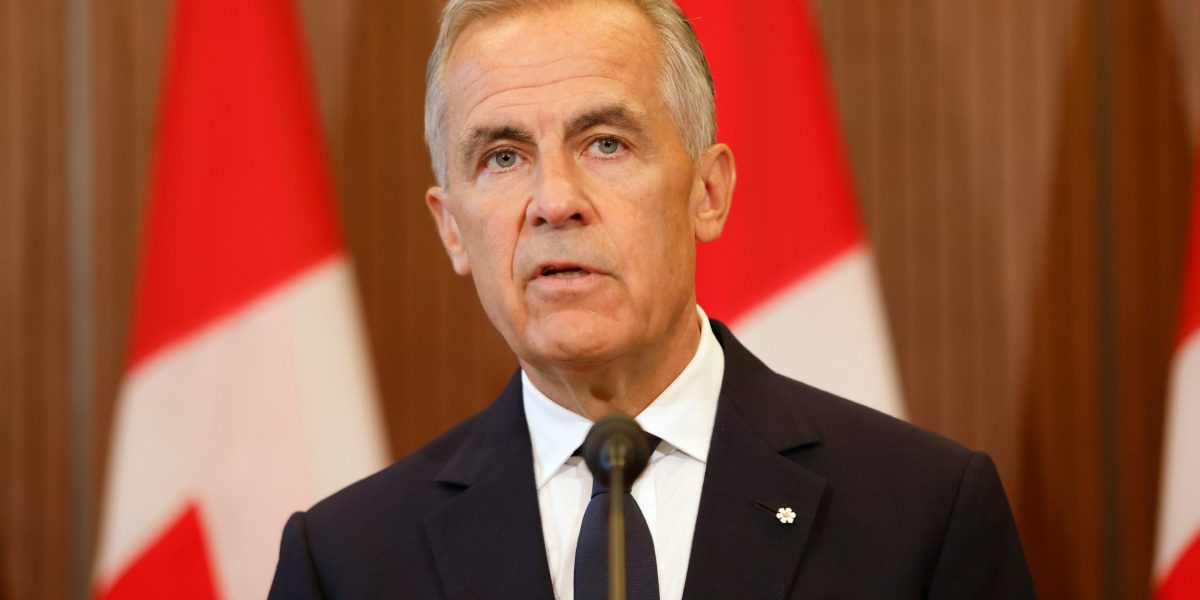
U.S. imposes 50% tariffs on $20B of Canadian goods after talks collapse. Carney says Canada was 'attacked' and sets Sept. 8 for retaliation. Section 338 of Smoot-Hawley invoked.
Continue with
The United States and Canada, allies along an undefended border, deepened a trade war Saturday after negotiations in Washington collapsed late Friday. The U.S. imposed 50% tariffs on $20 billion of Canadian goods. Canada set Sept. 8 as the start of its retaliatory penalties.
President Donald Trump's import taxes hit about 5% of what Canada ships to the U.S. every year – hockey sticks, tongue depressors, steel, lumber, dairy, appliances, agricultural equipment, pulp and paper, and electronics. Prime Minister Mark Carney said Ottawa would shield exposed industries with targeted tariff protection, including some steel products.
No further talks are scheduled. A loss of trust appears to be the earliest casualty.
Carney accused Washington of using "economic integration as a weapon" and said "its signature was written in pencil." He said Canada had been "attacked" by the new American tariffs. "You're at war when you get attacked," Carney said, adding that Canada had the reserves and a plan to respond.
U.S. Trade Representative Jamieson Greer said the administration had to act after a year of Canadian retaliation. "We've said enough, and so we've taken countermeasures," Greer told Fox & Friends Weekend. "Our interest is in protecting American workers and protecting American supply chains."
Carney said Canada had offered to drop remaining retaliatory tariffs on steel, aluminum and autos if the U.S. substantially lowered its own, and to encourage provinces to restore U.S. alcohol sales. He said Washington's final demands went too far. "They asked too much and offered too little," Carney said.
Greer said the Republican administration was offering to cut tariffs on steel, autos and lumber – "things that are sensitive for them" – and that Canada had always had the best deal. "They didn't want that," he said. As a result, the U.S. is moving forward with measures that respond to Canadian retaliation.
Carney said the U.S. added last-minute terms that would have reduced tariff relief for Canadian-made vehicles, restricted Canada's ability to strike trade deals with other countries, and weakened protections for language, culture and sovereignty. He called such demands unacceptable.
The breakdown reversed optimism from two days earlier, when officials sounded close to a compromise.
Ontario Premier Doug Ford praised Carney for rejecting the deal, saying it would have hurt Ontario's auto, steel and manufacturing sectors. Ford urged Canada to use "every tool in our toolbox" to fight the U.S. tariffs.