Gallup's latest poll shows only 45% of U.S. adults gambled in the past year, down from 64% in 2016, as moral acceptance of gambling fell to a record low of 57%.
The share of American adults who say they gambled over the past year dropped to 45% in 2026, down from 64% a decade earlier, a new Gallup poll released Monday showed. The 19-percentage-point decline spans nearly every form of betting, from state lotteries to casino visits to office sports pools.
Gallup surveyed 2,201 adults by telephone between June 1 and July 19. The margin of error is 3 percentage points.
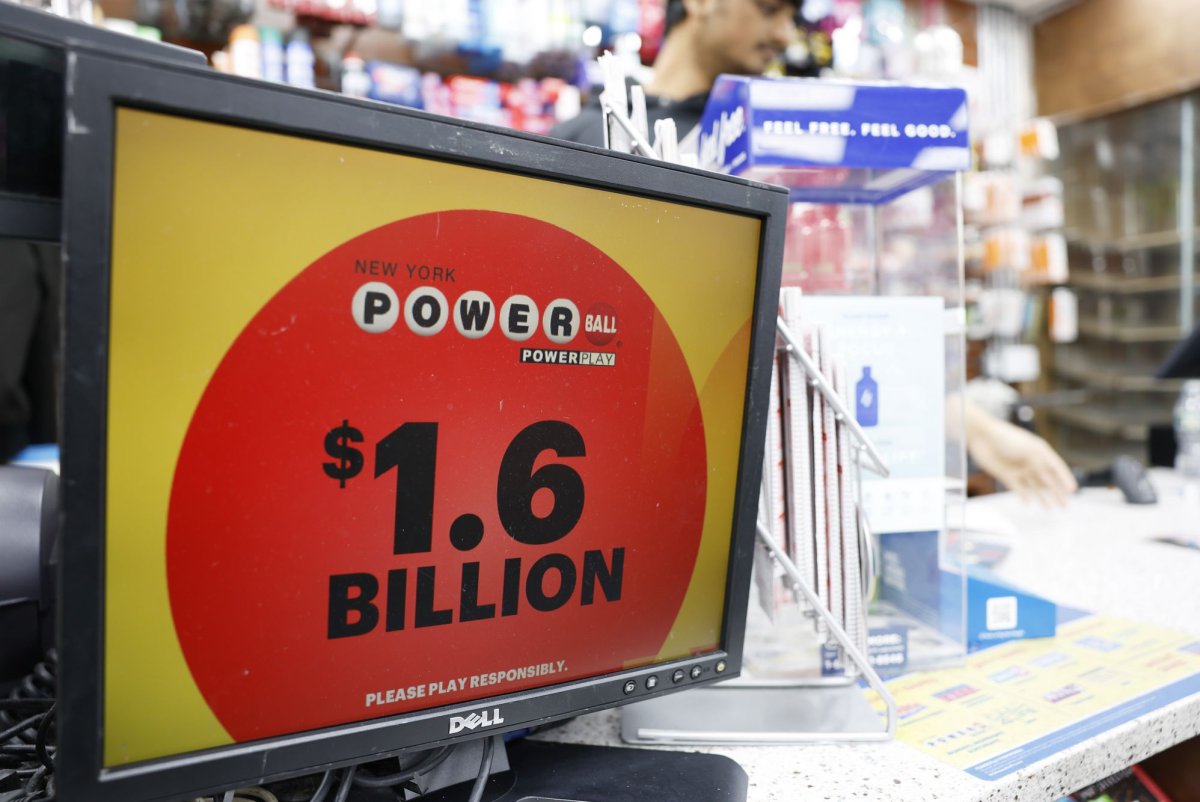
The steepest declines came in lottery ticket purchases, which fell to 31% from 49%, and in-person casino gambling, which slid to 14% from 26%. Office sports pools also dropped, to 7% from 15%.
"These lower reported gambling rates coincide with a decline in the percentage of Americans who say that gambling is 'morally acceptable,' from 67% in 2016 to a new low of 57% earlier this year," Gallup said.
The drop was broad across demographic groups. About 54% of upper-income Americans (household income of $100,000 or more) said they gambled, compared with 45% of middle-income earners ($50,000 to $99,999) and 40% of lower-income adults (under $50,000).
Men reported gambling at a higher rate than women: 49% versus 40%. Among older adults (50 and older), 50% said they gambled, compared with 41% of younger adults. Women ages 18 to 49 were the least likely group, at about 35%.
State lotteries have historically been the most common form of gambling, Gallup said. For the first decade of the poll, which began in 1989, majorities said they had bought a lottery ticket. That share later settled in the high-40% range before falling to the current low.
In-person casino gambling peaked in 2003 at 30%. Gallup said the decline may reflect a shift to online gambling, which was the only category that did not see a drop. Only 4% of respondents said they had gambled online, but that figure was unchanged from prior years.
Gallup noted that reported gambling rates were higher in a parallel web survey conducted in June, which showed a 53% overall participation rate across all 13 categories. The telephone survey likely undercounts younger and more tech-enabled gamblers, the firm said.
Drafted by a large language model from the source reporting linked above, then screened by automated publishing checks. It is not read by a journalist before publication. Some articles cite our Alpha Score. Verify prices and figures against the original source. Educational coverage, not personalized advice.