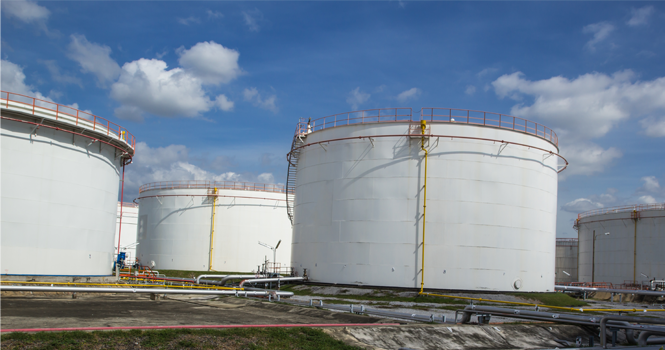
US commercial crude oil inventories fell by 4.3 million barrels in the week ended May 8, the Energy Information Administration reported Wednesday. The decline was the third consecutive weekly draw and exceeded the 2.3 million barrel decrease analysts had forecast. The data pointed to rising fuel demand ahead of the summer travel season, a trend the International Energy Agency has flagged as a potential trigger for price spikes given ongoing Middle East supply risks.
Third Straight Weekly Draw Exceeds Forecasts by 2M Barrels
The third straight decline in crude stocks signals that refineries are pulling more barrels to meet expected gasoline and diesel consumption. Historically, this seasonal ramp begins in late spring as operators prepare for the summer driving surge. The 2 million barrel miss against consensus suggests that either demand is accelerating faster than models anticipated or that supply is not keeping pace. Both forces are likely at work. Domestic output has been flat, and net imports have not compensated for the increased refinery pull, leading to a faster erosion of the inventory cushion.
Gasoline supplied, the EIA's proxy for demand, has tracked above year-ago levels in recent weeks, though weekly data can be noisy. The trend aligns with a broader recovery in mobility and consumer fuel use. The draw's size relative to expectations adds urgency to the question of whether US production can respond quickly enough. With OPEC+ holding back several million barrels per day through voluntary cuts, the US has been the primary source of incremental supply. A flat production profile leaves the market more exposed to demand surprises.
IEA Summer Warning Adds Geopolitical Risk Premium
The inventory draw lands just as the IEA has warned that summer demand could strain global supplies. The agency's latest outlook highlighted supply concerns tied to the war in the Middle East. Shipping attacks in the Red Sea have forced tankers to take longer routes around the Cape of Good Hope, effectively delaying cargoes and tightening the physical market. Any escalation that threatens transit through the Strait of Hormuz would add a geopolitical risk premium that is not yet fully reflected in futures curves.
For traders, the IEA's caution underscores that weekly inventory data alone does not capture the full supply picture. The combination of voluntary OPEC+ cuts, geopolitical friction, and rising seasonal demand creates a setup where draws can accelerate quickly if any single variable tightens further. The market is already pricing in a degree of supply risk; however, the potential for a sudden disruption keeps the tail risk elevated.
Refiners and Producers Face Divergent Margin Paths
The crude draw has different implications across the energy sector. Upstream producers benefit directly from higher oil prices. Small-cap names like Evolution Petroleum (see recent earnings analysis) are leveraged to the front-month WTI price. A sustained decline in inventories supports the price floor for these operators.
Refiners, however, face a more complex equation. Their margins depend on the spread between crude input costs and product prices. When crude stocks fall and oil prices rise, the cost side of the crack spread increases. If gasoline and diesel demand is strong enough to push product prices higher at the same pace, margins hold. If crude outruns products, refining profitability compresses. The next few weeks of EIA data will show whether gasoline inventories are building or drawing alongside crude. A simultaneous draw in both crude and gasoline would signal that demand is absorbing refinery output, a bullish signal for the entire complex. A build in gasoline stocks would suggest that refineries are overproducing relative to end-user consumption, which could cap crude price gains and pressure refining margins.
The immediate catalyst is next week's EIA report. Another above-consensus draw would confirm that the trend is accelerating and likely push WTI toward the top of its recent range. A smaller draw or a surprise build would take some heat out of the market. Beyond weekly data, the OPEC+ ministerial meeting in June is the next major policy event. The group will decide whether to extend voluntary cuts into the second half of the year. If inventory draws continue at this pace, the pressure to unwind cuts will grow. The temptation to let prices run higher will also increase. For now, the physical market is tightening, and the burden of proof is on supply to catch up. For broader context on crude oil dynamics, see our crude oil profile.