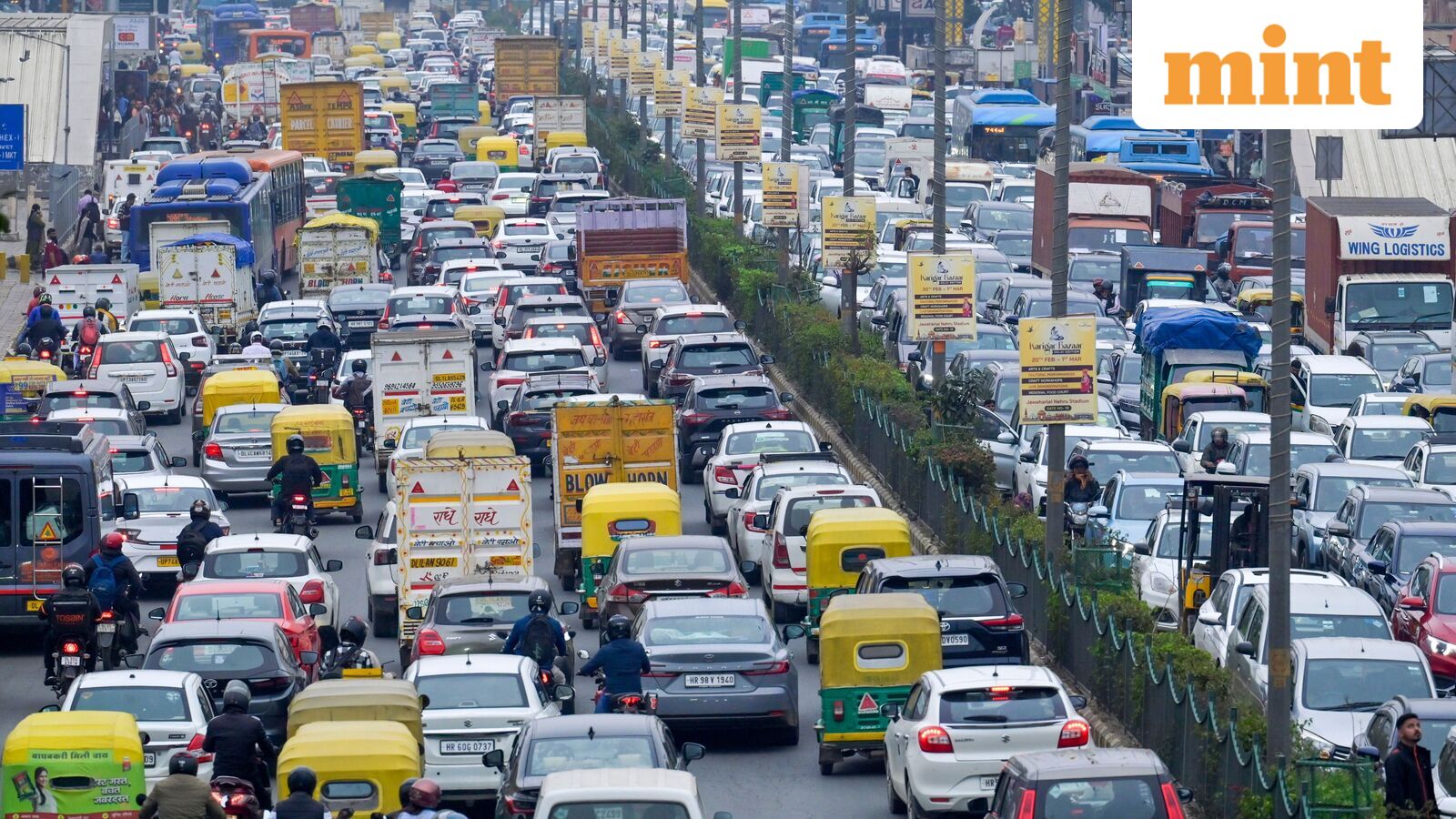
The persistent friction between rapid infrastructure development and the operational realities of urban density has reached a critical inflection point. While municipal authorities continue to prioritize the construction of flyovers and overpasses, the immediate utility of these projects is frequently undermined by the lack of designated zones for large-scale public gatherings. The resulting traffic volatility creates a recurring drag on local productivity, forcing a reevaluation of how city planning integrates with commercial throughput.
The Infrastructure-Congestion Paradox
The current model of urban expansion relies heavily on increasing road capacity to accommodate rising vehicle volume. Yet, the data suggests that this approach faces diminishing returns when static events, such as religious processions or marriage rallies, occupy primary transit arteries. These events transform high-capacity infrastructure into bottlenecks, effectively neutralizing the capital expenditure invested in road expansion. The core issue is not merely the volume of traffic, but the lack of specialized infrastructure designed to host mass gatherings away from the central business districts.
Without a shift toward decentralized event spaces, the economic cost of congestion will likely continue to rise. Businesses operating in high-density zones face increased logistics costs and labor inefficiencies as transit times become unpredictable. This environment complicates the supply chain for local retailers and service providers who depend on consistent traffic flow to maintain operational margins. The reliance on existing road networks to serve as both transit corridors and public event venues creates a structural inefficiency that current engineering solutions fail to address.
Strategic Reallocation of Urban Space
The path forward requires a transition from reactive traffic management to proactive spatial planning. By designating specific facilities for large gatherings, city planners could theoretically decouple public life from commercial transit. This shift would require significant land-use reform and a departure from the current practice of utilizing public roads as default event spaces. The following factors represent the primary hurdles to this transition:
- The high cost of land acquisition for dedicated event infrastructure in proximity to urban centers.
- The political difficulty of restricting traditional routes for cultural and religious processions.
- The lag between infrastructure deployment and the implementation of zoning policies that account for event-based traffic.
As cities continue to densify, the ability to maintain fluid transit will become a key differentiator for regional economic performance. Investors and municipal stakeholders should monitor upcoming urban development filings for evidence of dedicated event-zoning initiatives. The success of these projects will serve as a primary indicator of whether a city can sustain long-term growth or if it will remain trapped in a cycle of perpetual congestion. The next concrete marker for this narrative will be the release of updated metropolitan master plans, which will reveal whether planners are prioritizing the segregation of event traffic or continuing to rely on existing, over-burdened road networks.