Operational Shutdown
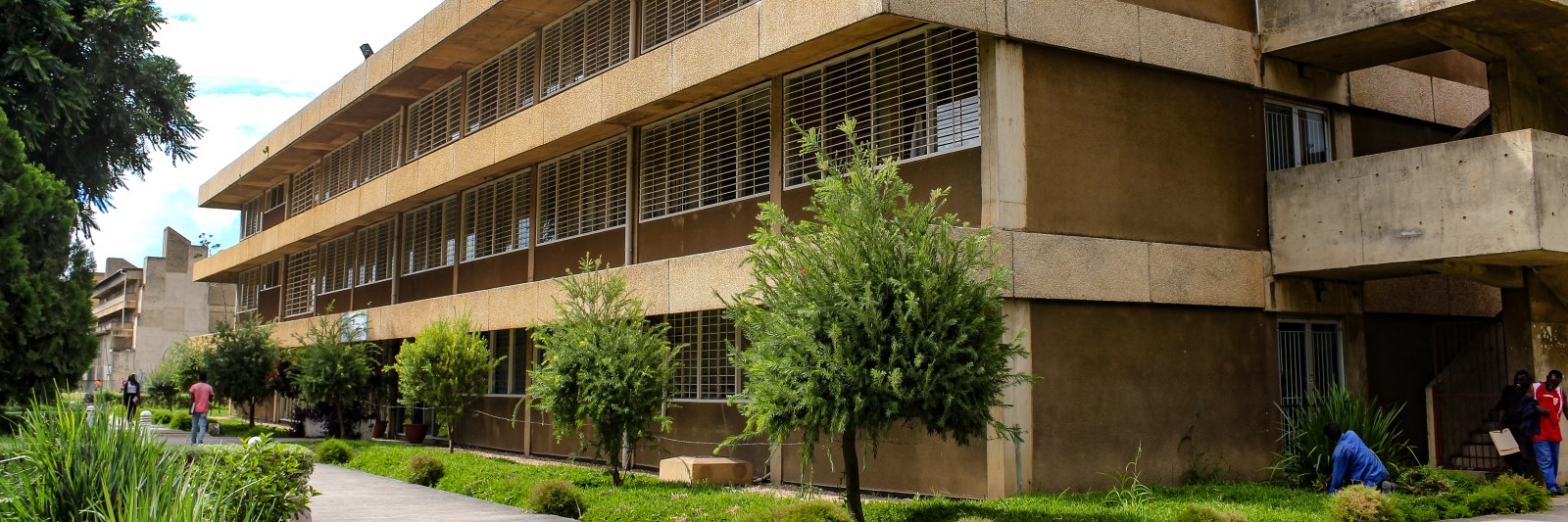
The University of Zambia (UNZA) will enter an early recess effective Friday, April 17, 2026, following a severe sanitation crisis that has rendered campus facilities unusable. Vice-Chancellor Professor Boniface Namangala confirmed the suspension of academic activities, citing the immediate need to address maintenance and hygiene failures that have compromised the learning environment.
Students are required to vacate the premises by 18:00 hours on the effective date. The administration has yet to provide a firm date for the resumption of classes, leaving the academic calendar for the current semester in flux. This closure reflects deeper infrastructure issues within public institutions that often suffer from deferred maintenance and lack of capital expenditure.
Infrastructure and Institutional Risk
The decision to shutter the university highlights the fragility of essential infrastructure in the region. For observers of the broader African education and public sector, such disruptions are rarely isolated events. They frequently serve as a proxy for local fiscal constraints, where utility services and waste management systems fail under the weight of underfunding and aging utility grids.
"The institution will go on recess effective Friday, 17th April, 2026," stated Vice-Chancellor Professor Boniface Namangala.
Market and Economic Implications
For traders and institutional analysts, the suspension of operations at a major public institution like UNZA acts as a potential bellwether for localized economic pressure. When sanitation and utility services collapse, it typically signals a broader breakdown in municipal support systems. Investors should monitor how these disruptions influence regional consumer sentiment and local labor productivity.
- Impact on local service providers: Potential revenue loss for businesses surrounding the Great East Road campus.
- Fiscal oversight: Increased pressure on the Ministry of Higher Education to allocate emergency funding for infrastructure restoration.
- Regional sentiment: Heightened risk perception for public-private partnerships in the education sector.
What to Watch
Market participants tracking regional stability should look for upcoming government announcements regarding emergency budget allocations for sanitation and infrastructure repairs. Any delay in reopening the university will likely exacerbate student protests and place additional strain on local law enforcement. For those engaged in market analysis, the primary metric will be the duration of the closure and whether this triggers similar shutdowns at other state-run facilities.
Ultimately, the university's ability to secure funding for basic repairs will determine the long-term impact on the academic calendar and the stability of the local surrounding economy.