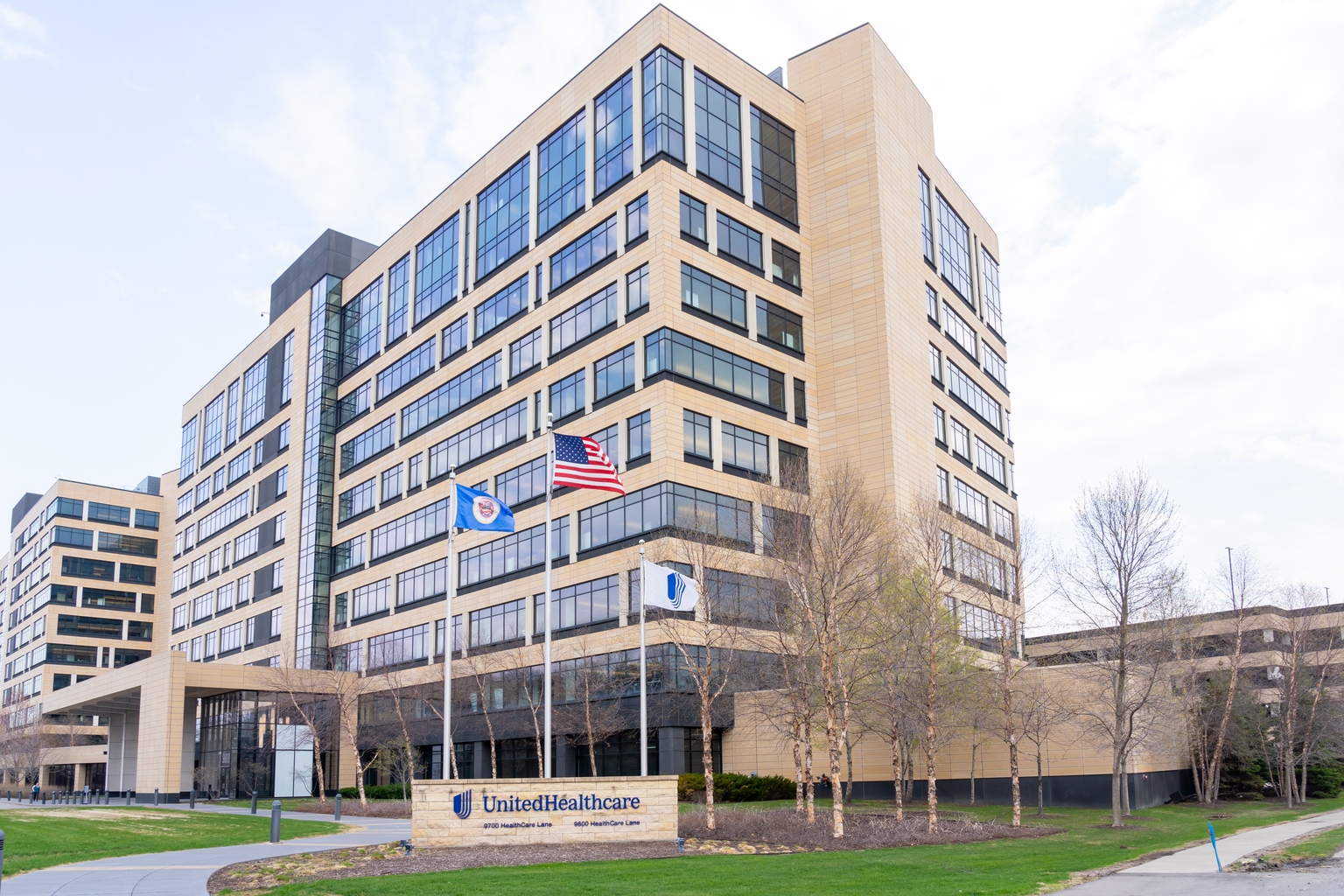
A Valuation Reset Amidst Market Volatility
UnitedHealth Group (NYSE: UNH) finds itself at a critical juncture. Following a period of significant margin pressure that forced the company to withdraw its forward guidance, the market has reacted with characteristic severity. For many investors, the sudden volatility has shattered the veneer of reliability that historically defined the healthcare giant. However, a deeper analysis of the firm’s underlying operations suggests that the current headwinds represent a temporary margin reset rather than a permanent structural impairment to its business model.
For traders and institutional investors, the breakdown in trust is palpable. Yet, in the world of high-conviction investing, the distinction between a balance sheet crisis and an operational recalibration is where alpha is generated. Despite the recent turbulence, the fundamental thesis for UNH remains bullish, predicated on its diversified ecosystem and long-term dominance in the managed healthcare sector.
Understanding the Margin Pressure
The recent guidance withdrawal served as a catalyst for a sharp repricing of UNH shares. When a company of UnitedHealth’s scale—often viewed as a defensive anchor in institutional portfolios—removes its guidance, the market immediately prices in a lack of visibility. This environment of uncertainty has compressed valuation multiples, creating a potential entry point for contrarians who look past the immediate quarterly noise.
While the margin compression is undeniable, it is essential to contextualize these figures. The healthcare industry is currently grappling with a complex interplay of rising utilization rates, shifting regulatory landscapes, and the ongoing integration of complex service lines. For UNH, these factors have created a short-term bottleneck. However, the company’s ability to leverage its Optum and UnitedHealthcare segments provides a level of diversification that few competitors can match. This dual-engine model is designed to weather cyclical downturns, ensuring that even under margin pressure, the core revenue streams remain resilient.
Why the Model Remains Robust
Investors often conflate margin volatility with a broken business model. In the case of UNH, the structural framework—centered on data-driven healthcare delivery and integrated pharmacy benefits—remains the gold standard in the industry. The “broken trust” narrative currently driving the stock’s performance is largely sentiment-driven. Market participants are reacting to the lack of short-term predictability, but they are failing to account for the company’s massive scale and its capability to capture value across the entire patient journey.
For those watching the ticker, the current valuation represents a rare divergence between price and fundamental utility. The company is not suffering from a structural impairment of its assets; rather, it is navigating a cyclical adjustment. Historical data suggests that industry leaders with dominant market share, such as UNH, typically normalize these margins over a 12-to-18-month horizon, provided the regulatory and reimbursement environment remains stable.
Market Implications and What to Watch
For traders, the current setup in UNH requires a disciplined approach to risk management. The stock is currently in a "show me" phase. Investors should monitor upcoming quarterly filings for signs of margin stabilization, specifically looking for improvements in medical loss ratios and the conversion of Optum’s service backlog into realized revenue.
As the market digests the guidance withdrawal, volatility is expected to remain elevated. Traders should look for technical support levels to hold before initiating long positions. If the company can provide clarity on its mid-term margin targets in the coming months, we should expect a reversion to the mean, as the market re-evaluates the firm’s ability to maintain high-single to double-digit earnings growth. The current market skepticism is the price one pays for the opportunity to acquire a market leader at a valuation that discounts its long-term potential.