Back to Markets
Stocks● Neutral

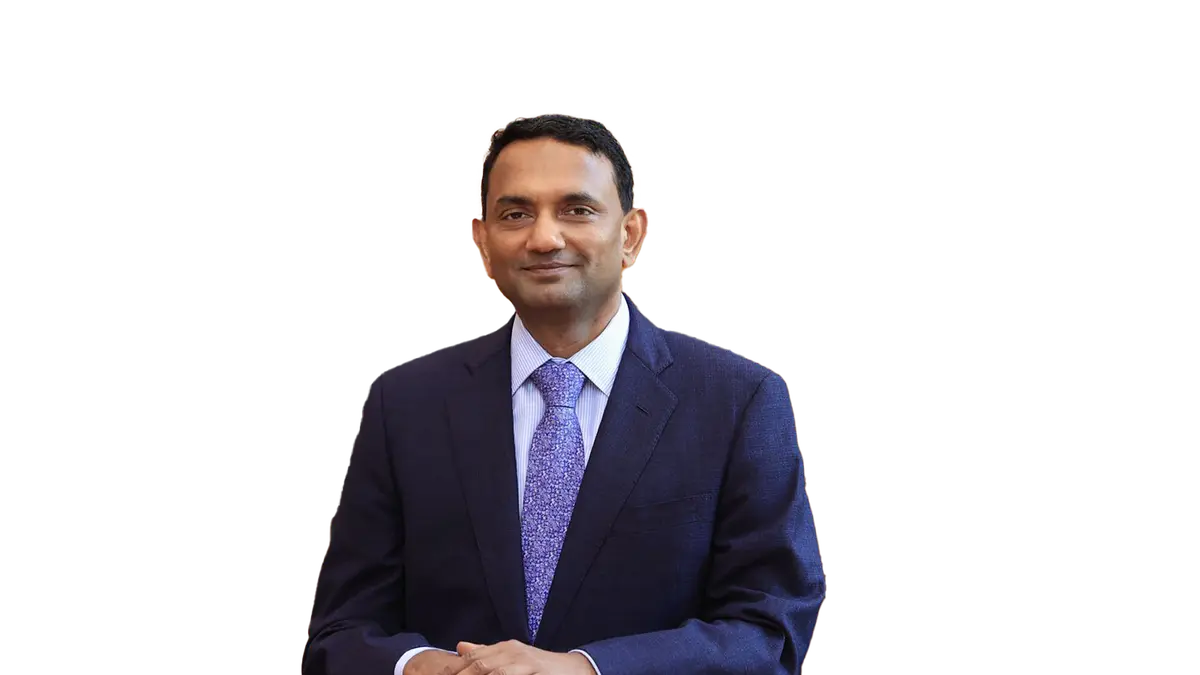
TCS CEO K Krithivasan Signals AI Disruption Will Outpace All Prior Tech Cycles
April 12, 2026 at 02:44 PMBy AlphaScalaSource: thehindubusinessline.com
TCS CEO K Krithivasan Signals AI Disruption Will Outpace All Prior Tech Cycles

TCS CEO K Krithivasan warns that AI disruption will be deeper and broader than any previous tech shift, signaling a massive, multi-year transformation for global enterprise architecture.

The New Frontier of Digital Transformation

In a candid assessment of the current technological landscape, K Krithivasan, CEO of Tata Consultancy Services (TCS), has issued a bold forecast regarding the trajectory of Artificial Intelligence. According to Krithivasan, the current wave of AI integration is poised to be both broader and more profound than any previous technological disruption in history, including the rise of the internet and the cloud computing revolution.

For investors and market analysts, this perspective underscores a critical shift in how the world’s largest system integrators are positioning themselves. As enterprises rush to move beyond the experimental phase of AI, the role of firms like TCS is evolving from simple service providers to essential architects of the AI-driven enterprise.

Why AI Breaks the Historical Mold

Historically, technology cycles often followed a predictable path: infrastructure deployment, software adoption, and then optimization. Krithivasan suggests that AI is collapsing these stages, forcing a simultaneous transformation across infrastructure, data architecture, and workforce management.

Unlike the shift to cloud, which was largely a migration of existing processes to a more efficient environment, AI is fundamentally altering the nature of business output. Krithivasan argues that the barrier to entry for AI deployment is shifting from technical capability to organizational readiness. The disruption is "deeper" because it touches the cognitive workflows of professionals, and "broader" because it is agnostic to industry, impacting everything from manufacturing supply chains to complex financial modeling and healthcare administration.

The Role of the System Integrator

As companies grapple with the complexity of generative AI, the demand for sophisticated integration is skyrocketing. Krithivasan noted that the primary challenge for clients currently lies in data quality and the ethical deployment of AI models. For TCS, this creates a massive runway for growth. The CEO emphasized that the firm’s strategy remains laser-focused on enabling clients to scale their AI initiatives without compromising on data security or regulatory compliance.

For traders tracking the IT services sector, this suggests that revenue streams for majors like TCS are likely to become more "sticky." If AI integration is a multi-year, multi-layered commitment, the recurring revenue models that define this industry are set to solidify, even as the cost of implementation increases.

Market Implications and Investor Sentiment

What does this mean for the broader markets? First, it suggests that the “AI productivity boom” that bulls have been anticipating is moving from a speculative phase to an execution phase. Companies that successfully bridge the gap between legacy systems and modern AI architectures are likely to see significant margin expansion.

However, there is a risk side to this equation: the disruption may render existing software investments obsolete faster than anticipated, potentially impacting the balance sheets of legacy software providers. Investors should monitor how firms like TCS manage the transition of their own talent pools as the demand for traditional coding skills wanes in favor of AI-augmented development.

Looking Ahead: The Next Phase of Deployment

As TCS continues to navigate this landscape, the market will be looking for concrete metrics regarding AI-led revenue growth. Krithivasan’s assertion that AI will outpace previous disruptions implies that the next 24 to 36 months will be decisive. Investors should watch for increased capital expenditure (CapEx) in IT infrastructure as global firms heed the warning that standing still is no longer a viable strategy.

For now, the narrative is clear: the AI revolution is not a peripheral event; it is a fundamental reconfiguration of global industry. As one of the world's largest employers of tech talent, TCS acts as a bellwether for the broader tech sector, and Krithivasan’s outlook suggests that we are still in the early innings of this transformation.