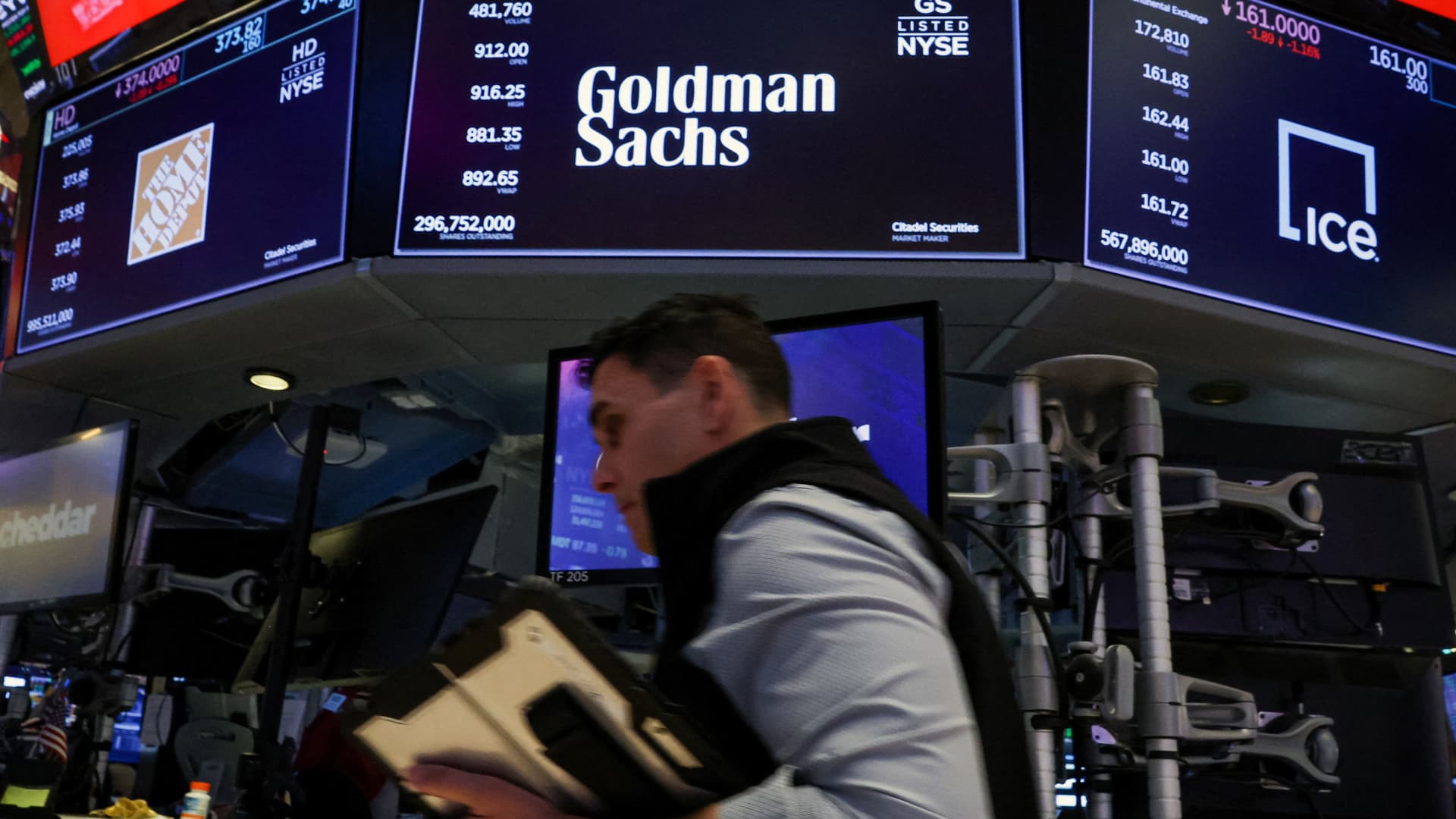
Earnings Season and Geopolitical Volatility: The Three Critical Drivers for Markets This Week

As earnings season kicks off, investors must navigate the dual pressures of corporate guidance and escalating Middle East tensions, setting the stage for a volatile week in the markets.
The High-Stakes Balancing Act
As the markets turn the page on a volatile start to the quarter, investors are bracing for a high-intensity week defined by a confluence of corporate performance and escalating international tension. With earnings season officially entering its primary phase, market participants are looking for evidence of margin resilience in a high-interest-rate environment. Simultaneously, the shadow of the Middle East conflict continues to loom large, introducing a layer of geopolitical risk that complicates price discovery across asset classes.
For traders and institutional allocators alike, this week is not merely about beating consensus estimates; it is about gauging the broader health of the macro economy against a backdrop of uncertainty. Here are the three primary pillars driving price action this week.
1. The Opening Salvos of Earnings Season
Earnings season is no longer just a series of headline reports—it is the definitive litmus test for current equity valuations. As indices hover near historical highs, the "earnings bar" has been set high by analysts. Investors are particularly focused on forward guidance. In an environment where the cost of capital remains elevated, companies that can demonstrate operational efficiency and sustained revenue growth will likely see significant capital inflows.
Market participants should be closely watching for signs of margin compression. If corporate guidance begins to soften, it could trigger a reassessment of the current price-to-earnings (P/E) ratios that have supported the recent rally in large-cap stocks. The focus remains on whether earnings growth can justify the premium valuations currently baked into the market.
2. Geopolitical Risk and the 'Fear Premium'
The ongoing conflict in the Middle East remains the most significant exogenous variable for global markets. Geopolitical instability historically acts as a catalyst for a 'fear premium' in commodities—particularly energy and precious metals—while simultaneously putting pressure on risk-on assets like equities.
For traders, the primary concern is the potential for supply chain disruptions and the subsequent impact on inflation. If the conflict broadens, the resulting volatility in energy markets could force central banks to maintain a more hawkish stance on interest rates for longer than the market currently anticipates. This uncertainty is effectively creating a floor for volatility indices, as investors hedge against potential tail-risk events.
3. Macroeconomic Sensitivity and Policy Expectations
Beyond earnings and war, the market remains hyper-sensitive to macro data releases. The interplay between inflation prints and central bank policy is the third critical pillar of this week’s narrative. Investors are dissecting every data point for clues on the timing of future policy shifts.
Any divergence between actual macroeconomic performance and the current market consensus regarding interest rate paths could lead to sharp, sudden moves in the bond market, which would inevitably spill over into the equity space. Traders should remain alert to how incoming data frames the narrative for the remainder of the quarter.
Market Implications and Outlook
The convergence of these three factors—earnings, geopolitics, and macro policy—suggests that we are entering a period of heightened sensitivity. For active traders, this environment favors a disciplined approach to risk management. As we navigate the coming sessions, the ability to pivot between defensive positioning and tactical opportunities will be paramount. Investors should prioritize liquidity and monitor for sudden shifts in market sentiment that often accompany earnings-driven volatility or geopolitical headlines. Watch the reaction to initial earnings reports closely, as they will set the tone for the market's risk appetite for the weeks ahead.