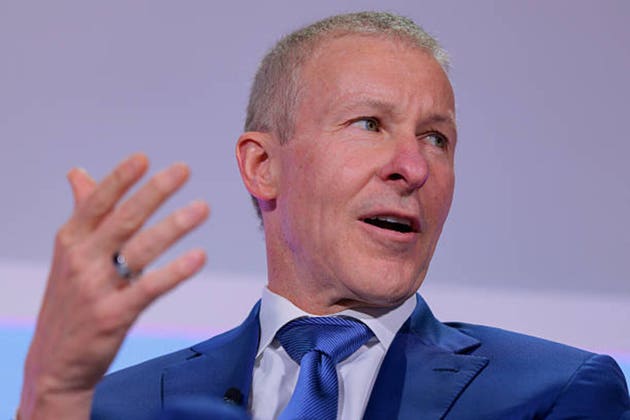
United Airlines CEO Scott Kirby publicly criticized Rolls-Royce over a contract dispute concerning A350 engine support, questioning the supplier's long-term commitment. The rare public blast signals that United (UAL) sees the issue as material enough to escalate – and that the Trent XWB engine support shortfall could hit maintenance costs and delivery schedules.
What the Dispute Changes for United’s Operating Costs
United operates a growing A350 fleet that relies exclusively on Rolls-Royce’s Trent XWB engines. Unlike a narrowbody fleet with multiple engine options, the A350 has no alternative supplier. If support – spare parts, repair turnaround, technical availability – is inadequate, United faces one of two outcomes: either it absorbs higher maintenance expense per flight hour, or it accepts longer grounding times when engines need overhaul. Both outcomes pressure unit costs, a key metric for airline margins. The public criticism suggests United believes Rolls-Royce is not meeting contractual obligations, which would shift more operational risk onto the airline.
Investors should parse the dispute in the context of UAL’s Alpha Score of 65/100 (Moderate) in the Industrials sector. The score already reflects moderate fundamental and technical positioning. An unresolved engine-support dispute would add execution risk, potentially weighing on forward guidance. The UAL stock page shows the stock's current technical setup, which now faces this incremental uncertainty.
How Engine Support Disruptions Affect Reliability and Revenue
The chain of impact is direct: inadequate engine support raises the probability of unscheduled engine removals. Each removal grounds an aircraft for days to weeks, reducing available seat miles (ASM). In a period of strong travel demand, lost ASM translates directly into lost revenue. United would also incur higher maintenance costs from expedited shipping or outsourcing work. The aggregate effect could show up in the next quarter’s cost per available seat mile (CASM) ex-fuel, a line item that United has been working to contain.
A simple read would be: “A dispute with a supplier is common and often resolved quietly.” The better market read is that public escalation changes the dynamic. Once an airline CEO goes on the record questioning supplier commitment, the likelihood of a penalty clause being invoked or of a contract renegotiation rises. It also signals that internal mitigation efforts have failed. This makes the dispute a watchlist event for both UAL and Rolls-Royce, not background noise.
Confirming Factors
- Rolls-Royce provides a detailed timeline for resolving support issues or issues a public commitment to United.
- United’s next quarterly filing shows a reserve for higher maintenance costs or a reduction in A350 utilization.
Invalidating Factors
- Rolls-Royce and United announce a new support agreement with clear performance metrics.
- United reports that A350 dispatch reliability remained above its internal target during the dispute period.
Next Decision Point: The Rolls-Royce Response and United’s Guidance
The immediate catalyst is Rolls-Royce’s response. If the supplier issues a statement that acknowledges the concerns or outlines specific improvements, the market may view the risk as contained. If it downplays the dispute or offers no concrete action, United may need to escalate further – potentially delaying future A350 deliveries or seeking compensation. The next earnings call from either company will be the first venue where analysts can press for specifics.
For traders, the key is to separate noise from material change. A single public criticism does not make United’s fleet unprofitable. It does create a trackable event that, if unresolved, compounds into cost and reliability headwinds. Watch for evidence of contractual penalties or a formal maintenance guarantee – those would confirm the setup. Absent that, treat the dispute as a risk to monitor rather than a trigger to adjust positions.
The broader market analysis context for airline and industrial suppliers matters here. If this dispute signals a trend of carriers pushing back on engine OEM pricing and support, it could affect valuations across the supply chain. For now, United’s explicit confrontation with Rolls-Royce places the ball in the supplier’s court.