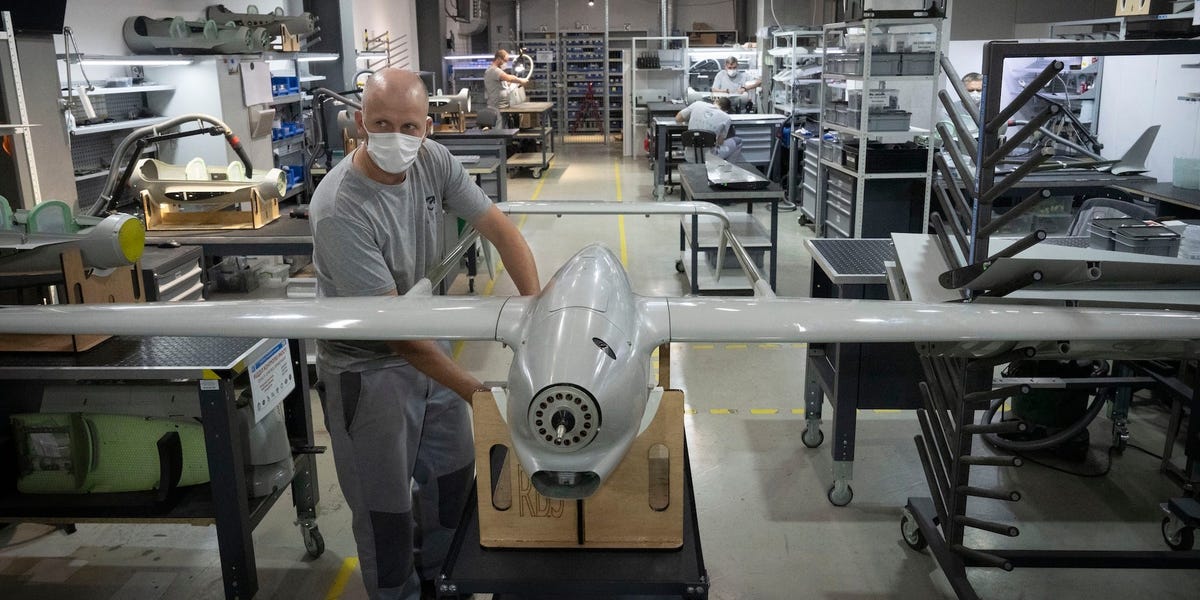
Ukrainian defense companies have learned to survive by distributing production across multiple small sites rather than concentrating it in one location. They are now telling European counterparts to do the same.
The logic is straightforward. A single factory is a single target. A missile or drone strike can wipe out months of output. Spread the same work across five or ten locations and the risk drops sharply, a Ukrainian defense official said.
Ukraine's defense industry has been forced into this approach since 2022. Production lines that once ran under one roof now operate in rented warehouses, underground workshops, and repurposed civilian buildings. The cost is higher. Logistics get more complicated. Quality control gets harder. The alternative – losing everything to one strike – carries a much higher price.
European defense companies have not faced that pressure. Most still operate large, fixed facilities that are well-known and hard to move. A Ukrainian defense official called that vulnerability unacceptable.
The official pointed to recent Russian attacks on Ukrainian energy infrastructure as a warning. Russia has spent months targeting power plants and substations, not just military sites. The same logic applies to defense factories. A few precision strikes could disrupt production of artillery shells, drones, or armored vehicles for weeks or months.
European governments have talked about increasing defense spending and rebuilding industrial capacity. Building bigger factories is not the answer, the official said. The answer is building more, smaller ones spread across different regions and countries.
Some European firms are starting to listen. A few have begun exploring distributed production models, particularly for drone components and ammunition. The shift is slow. The official said Europe needs to move faster.
The message is blunt. Ukraine learned this lesson through war. Europe should learn it without one. The issue is expected to be raised at the next NATO defense ministerial meeting in October.