Stocks● Neutral
Ukraine Offers Older Drone Tech to Allies for Shahed Threats
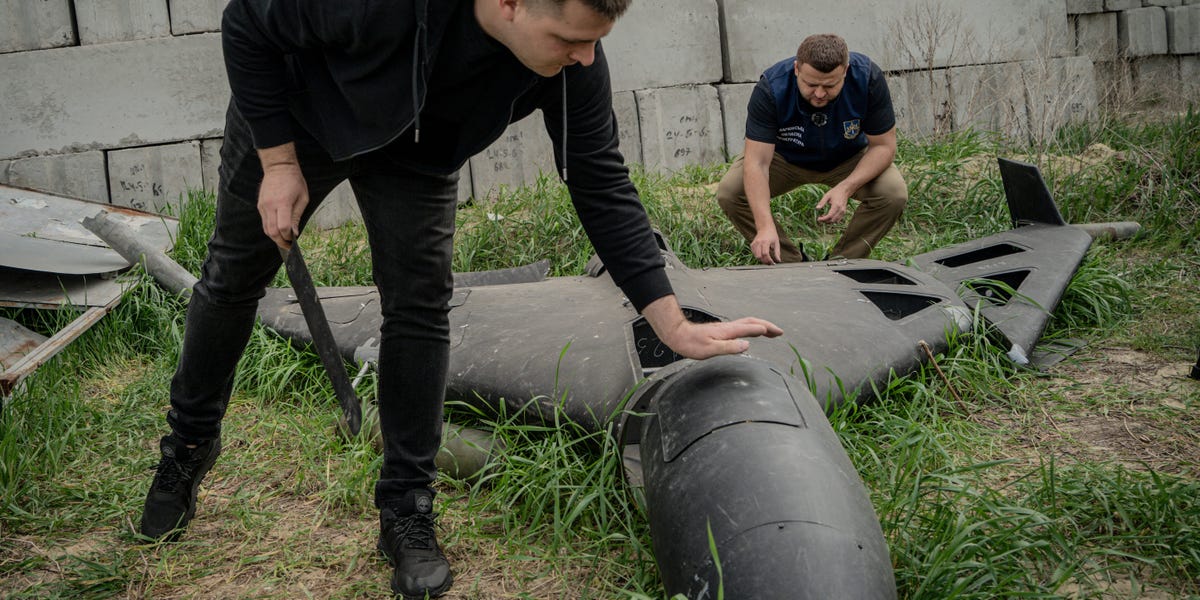
A Ukrainian official said older counter-drone systems that Ukraine no longer uses could help allies defend against Shahed drones. The offer includes jammers and radars at no cost.
Continue with
A Ukrainian official said the country's earlier counter-drone technology, even if no longer advanced enough for Ukraine's own fight, could still help partners preparing for similar attacks. The offer covers systems that have been superseded on the front lines by faster-evolving electronic warfare and interception methods. Those systems remain effective against the Iranian-designed Shahed drones that have become a staple of Russian strikes.
The official, who spoke on condition of anonymity because the discussions are not public, said several friendly governments have expressed interest. The systems in question include radio-frequency jammers and detection radars that Ukraine fielded in the first year of the war. Those tools now face more advanced Russian countermeasures. They still work against the slower, less agile Shahed-136 and its derivatives.
Shahed-style drones fly at low speeds and rely on GPS waypoints rather than real-time control. That makes them vulnerable to jamming that disrupts their navigation, a tactic Ukraine has used extensively. The older systems can perform that function, the official said, and they come with a shorter training curve than newer Western alternatives.
The offer is part of a broader Ukrainian push to share battlefield lessons with allies. Kyiv has already sent teams to brief NATO members on drone tactics and electronic warfare. The difference now is that hardware, not just advice, is on the table.