Crypto● Neutral
UK parliamentary group launches inquiry into crypto banking access
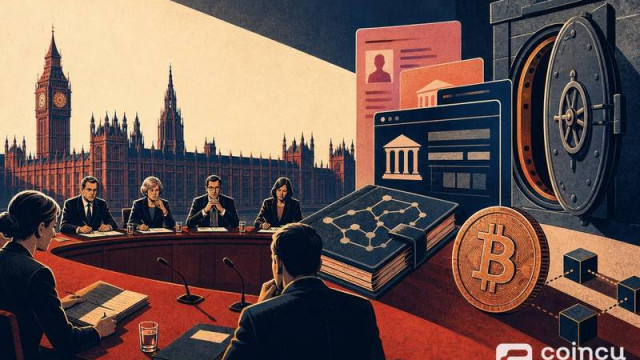
The UK Parliament's crypto group launches an inquiry into banking access for digital asset firms, reviewing account closures and payment delays that could shape policy.
Continue with
A UK parliamentary digital assets group has launched an inquiry into crypto banking access, opening a review of how banks treat digital asset firms and the customers who use them. The move puts the question of whether crypto companies can reliably open and keep bank accounts on the parliamentary agenda.
The inquiry follows the relaunch of the UK Parliament's crypto and digital assets group, which was reconstituted to help shape the country's regulatory direction. The group has previously examined the wider crypto market, and the banking-access review continues that work.
The inquiry looks at whether businesses and individuals connected to digital assets can obtain and retain access to everyday banking services. That includes account opening, payments, and the ongoing relationships that firms need to operate.
Exchanges, startups, and everyday users depend on functioning accounts to move money, hold customer funds, and run payroll. Account closures or delays directly affect business continuity.
The problem is not hypothetical. A survey of exchanges found that UK banks have blocked or delayed payments to crypto platforms, pointing to friction between the banking sector and digital asset firms.
That tension sits between banks' risk controls, covering anti-money-laundering, fraud, and reputational concerns, and the goal of financial inclusion. A blanket restriction on a whole sector is different from a targeted compliance decision, and separating the two is central to the debate.