Macro● Neutral
UK Food Inflation Cools to 1.7%, Defying BoE 4.6% Forecast
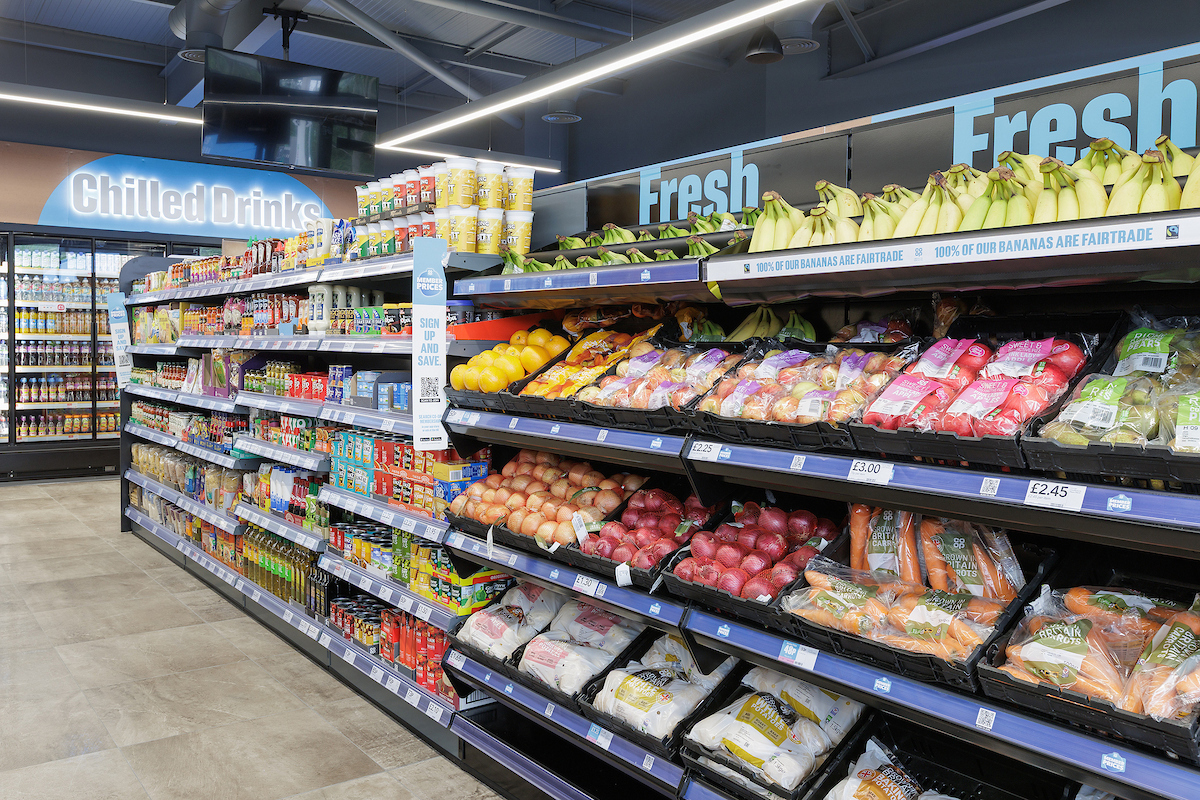
UK food inflation slowed to 1.7% in June, the lowest since August 2024. Price wars absorb costs for now; Tesco and Sainsbury's flag profit risk.
Continue with
UK food inflation cooled to its lowest annual rate since August 2024 in June. Food and non-alcoholic drink prices rose 1.7% in the year to June, down from 2.2% in May, and fell 0.2% month on month, the Office for National Statistics said. The reading undercut warnings that Middle East shipping disruption and rising energy costs would send food inflation sharply higher.
The Bank of England had expected acceleration. In April it forecast food inflation would reach 4.6% by September, expecting higher energy costs to feed through domestic production and imports. Its latest projections put the rate near 3.5% by December.
Analysts and industry figures told Reuters the gap between forecast and outcome comes down to a price war among the UK's six largest grocers. Tesco, Sainsbury's, Asda, Morrisons, Aldi and Lidl have absorbed part of their cost increases rather than pass them on, accepting thinner margins in fresh and chilled categories to protect market share. Branded suppliers have shown similar restraint; industry figures said they fear bigger increases would push shoppers toward cheaper own-label lines.
Promotions have become the main weapon in the fight for shoppers. Worldpanel by Numerator data showed 30.3% of grocery sales were made on promotion in May, up from 28.4% a year earlier. Spending on discounted products jumped 9.5%, while full-price spending was virtually flat.