Bacup households face a 13.5% energy cap rise from July 1, adding £221 to annual bills. The ONS reports 66% of adults already cutting spending. The next cap reset in October will test whether government measures offset the Iran-driven wholesale premium.
Households in Bacup, one of England's most deprived areas, already describe their lives as "surviving rather than living." On July 1, the UK energy price cap rises another 13.5%, adding £221 to the average annual bill. That lifts the typical household to £1,862 a year, 79% higher than before the energy crisis began in winter 2020/21, according to regulator Ofgem.
The increase follows higher wholesale costs that suppliers passed through under the cap mechanism. The cap also limits how much of those costs suppliers can recover, squeezing margins at firms like Centrica (British Gas), SSE, and E.ON's UK arm. The squeeze comes as the Office for National Statistics reports that 66% of adults say their cost of living rose over the past month, driven by food, fuel, and utility bills.
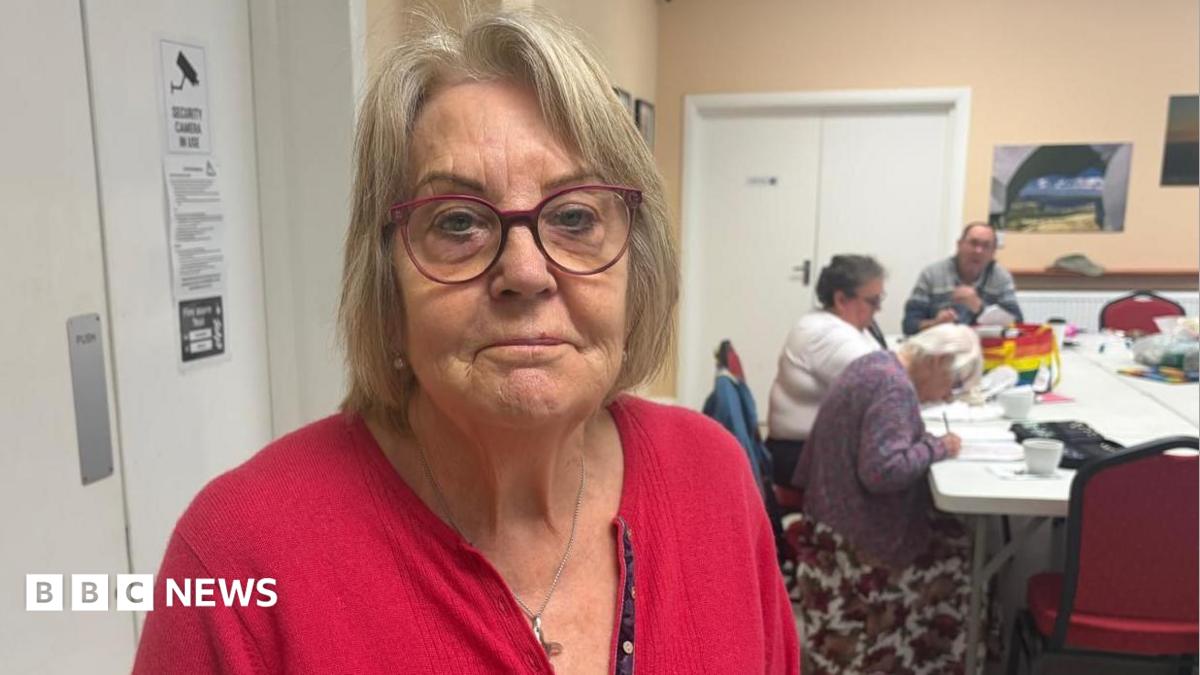
Alison Grant, 61, a user of the ABD Centre in Bacup, put it bluntly: "You're watching it constantly to see how much is on the meter until your next payday." Class leader Jules Pritchard said the increase hits older residents hardest. "They're trying to survive," she said.
The energy cap sets a maximum unit price per kWh, not a total bill. So actual spending varies with usage. The cap adjustment lags wholesale markets by roughly a quarter. Ofgem recalibrated it after spot gas prices rose on geopolitical risk – specifically the conflict in Iran, which the BBC reported "scuppered Bank of England UK inflation targets of 2% over the next five years."
Higher household energy costs directly reduce disposable income. UK consumer discretionary sectors – retail, hospitality, travel – face the biggest revenue headwind. The ONS data already shows 66% of adults cutting back. Utility companies, meanwhile, face a political ceiling on margins. The cap formula allows fixed costs and a small profit allowance, any overshoot of wholesale costs beyond that allowance lands on the operator.
The July 1 cap takes effect immediately, raising variable tariff bills. If wholesale gas stays elevated, the January cap reset will rise further. The government has frozen fuel duty and extended the Warm Home Discount to six million households, those measures offset only about £150 of the increase, leaving a net £71 gap for typical households. Higher utility inflation could keep services inflation sticky, delaying rate cuts. The next Monetary Policy Committee meeting is August 7.
A sharp drop in wholesale gas prices before the next cap review in October would reduce the January reset. An earlier-than-expected ceasefire in Iran could ease supply premiums. The government could also expand the Warm Home Discount or cut VAT on energy bills further – it already cut VAT on children's meals this summer.
A cold winter would push consumption above the typical-use assumption, raising actual bills beyond the £1,862 figure if the cap resets higher. Persistent wholesale price spikes would force Ofgem to raise the cap again in January, squeezing consumers and utility margins simultaneously. The ONS data shows that 66% of adults already report rising costs, any further increase would tip more households from "surviving" into distress, cutting discretionary spending further.
A government representative said tackling the affordability crisis is its "number one priority" and noted it is freezing fuel duty, rail fares, and prescriptions while increasing the minimum wage. Whether those measures are enough depends on how long the Iran-driven wholesale premium lasts. The cap reset in October will offer the first real test.
Prepared with AlphaScala research tooling and grounded in primary market data: live prices, fundamentals, SEC filings, hedge-fund holdings, and insider activity. Each story is checked against AlphaScala publishing rules before release. Educational coverage, not personalized advice.