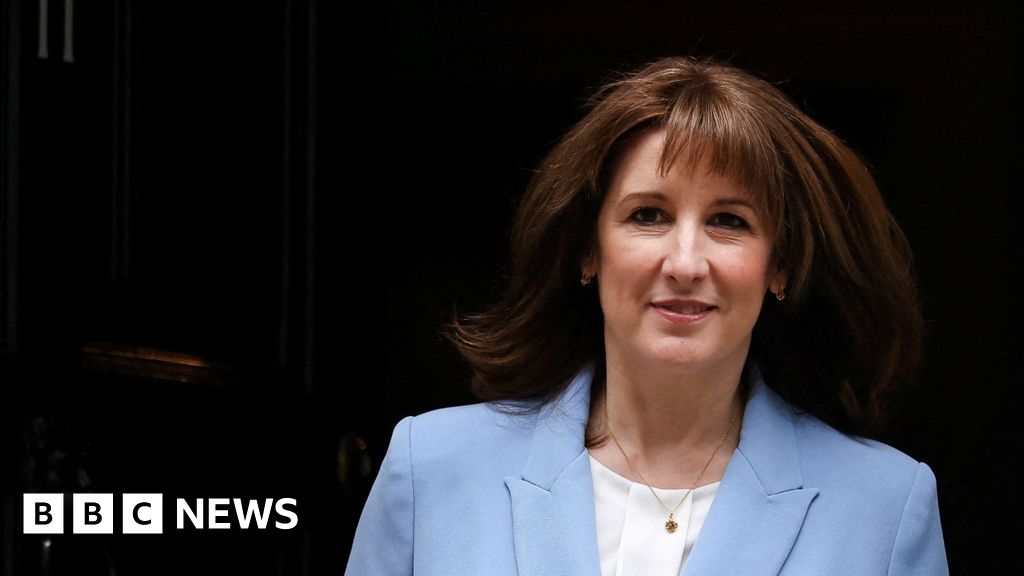
UK Chancellor Rachel Reeves characterized the US military engagement with Iran as a strategic error, citing the disproportionate impact the conflict is expected to have on the British economy compared to its G7 peers. This assessment comes as Treasury officials grapple with projections indicating that the UK will bear a heavier burden from the regional instability than other major developed nations.
Economic Divergence and the UK Cost
The Chancellor’s comments reflect a growing concern within the Treasury regarding the transmission of geopolitical shocks into the domestic economy. While the US maintains a degree of energy independence, the UK remains highly sensitive to fluctuations in global energy prices and supply chain disruptions originating in the Middle East. The divergence in economic resilience between Washington and London is becoming a central theme for policymakers attempting to calibrate fiscal policy against an increasingly volatile external environment.
Market participants should evaluate the following factors regarding the potential for sustained volatility in energy markets:
- Energy Import Reliance: The UK's structural dependence on imported natural gas and refined products.
- Inflationary Pressures: The risk of a second-order inflation spike caused by rising shipping costs and insurance premiums in the Strait of Hormuz.
- Fiscal Headroom: Limited capacity for the UK government to offset energy price shocks through subsidies without further inflating the deficit.
Market Implications for Traders
Traders should note that the rhetoric from UK leadership suggests growing unease about the duration of the conflict. When officials begin publicly labeling military campaigns as mistakes, it often signals an anticipation of poor economic data to follow. This shift in tone can trigger defensive positioning in sterling and UK-listed equities, particularly those with high sensitivity to global trade volumes.
Investors monitoring the crude oil profile should watch for any decoupling between Brent and WTI, as the UK's exposure to Brent-linked pricing is more acute. Furthermore, if the conflict forces a re-evaluation of central bank policy paths, expect heightened sensitivity in the Gilt market. The primary risk is a scenario where energy-driven inflation forces the Bank of England to maintain higher rates for longer, even as growth slows significantly.
Monitoring Catalysts
Market focus will likely shift to the next set of inflation prints and the Chancellor’s upcoming fiscal updates to see if provisions are made for energy price support. Any sign of a coordinated G7 effort to stabilize shipping routes or energy supplies will be the primary counter-catalyst to the current bearish sentiment. Traders should track the price action of energy-intensive industrials as a proxy for the broader economic impact on the UK manufacturing base.
The Chancellor’s public stance serves as a reminder that the UK remains uniquely vulnerable to the secondary effects of US foreign policy in the Middle East.