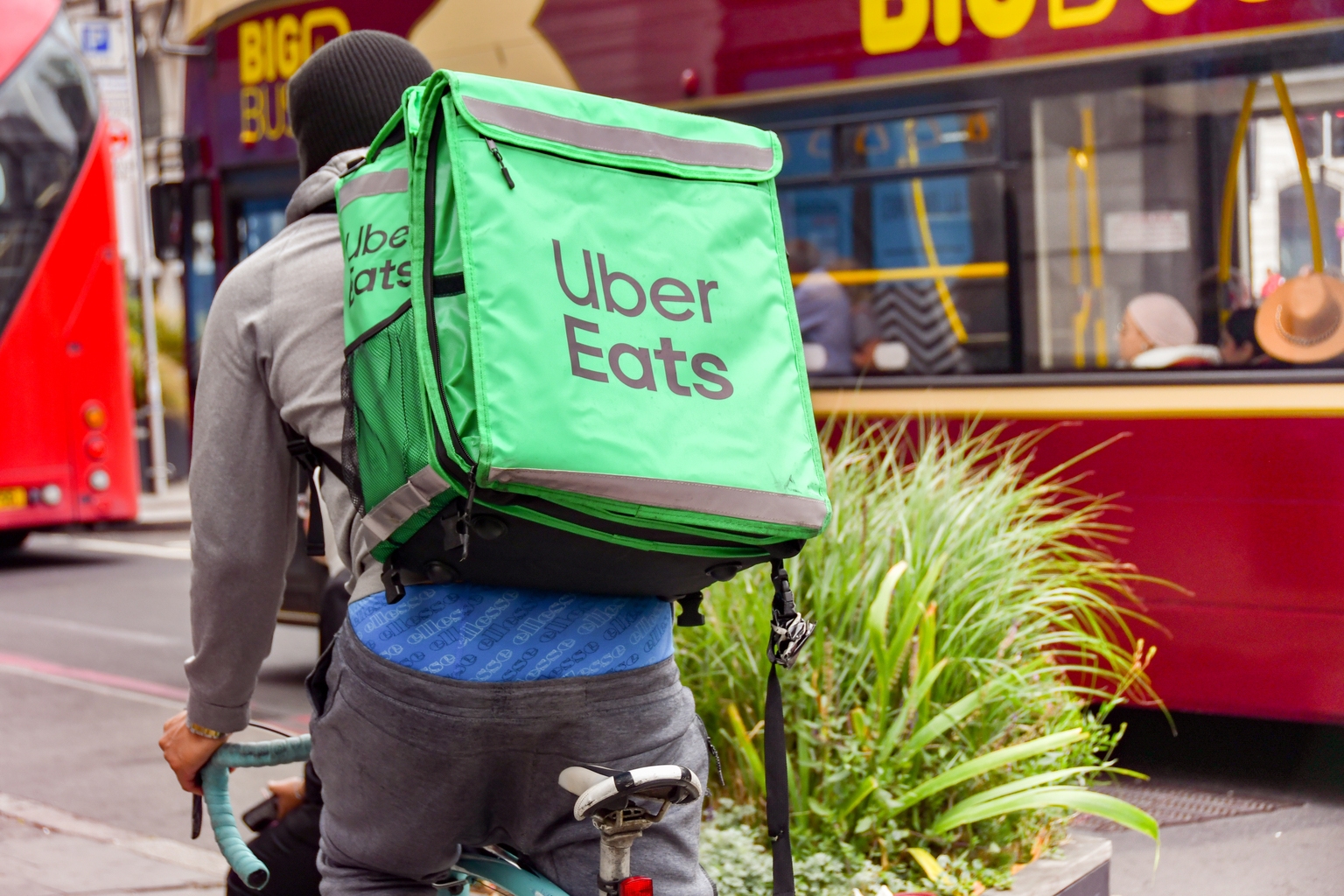
Uber Technologies Inc. (UBER) bought Delivery Hero's foodpanda business in Taiwan for $950 million in cash, a move that strengthens its delivery footprint in a market where it already competes with DoorDash and local players. The deal adds roughly 8 million active users and a network of 50,000 merchants, according to the companies.
The transaction is not a surprise. Uber has been clear about its intention to consolidate in Asia-Pacific markets where it sees a path to profitability. Taiwan is one of those markets: food delivery penetration is still below 20%, and the market is fragmented across three main platforms. Uber Eats held about 30% share before the deal; adding foodpanda's 25% gives it a majority position.
Regulators will have a say. Taiwan's Fair Trade Commission reviews any deal that pushes combined market share above a third. The two platforms together would hold roughly 55% of the delivery market, which means the FTC could demand concessions – asset sales, pricing commitments, or a timeline for integration. Uber said it expects the review to take six to nine months.
Competitors are already positioning. DoorDash, which entered Taiwan in 2022 through a partnership with local convenience-store chain FamilyMart, has been adding restaurant partners and cutting delivery fees. A combined Uber-foodpanda platform gives DoorDash a clearer target: the bigger player's pricing and commission structure becomes the benchmark to undercut.
The integration itself carries execution risk. Merging two delivery networks means reconciling driver pools, merchant contracts, and routing algorithms. Uber has done this before – it absorbed Postmates in the U.S. and Careem in the Middle East – but Taiwan is a smaller, more concentrated market where a service disruption during the transition could hand share to DoorDash or to the remaining local player, Foodomo.
Uber's Alpha Score sits at 53 out of 100, a Mixed rating that reflects the gap between the strategic logic of the deal and the near-term uncertainty around regulatory timing and integration costs. The stock trades at roughly 35 times forward earnings, a multiple that assumes the Taiwan deal closes without material concessions and that the combined platform hits the cost synergies Uber has projected.
A clean close would give Uber a dominant position in one of Asia's fastest-growing delivery markets, with a path to margin expansion as the combined network reaches scale. A blocked or conditioned deal would leave Uber with a $950 million cash outlay, no incremental revenue, and a competitor that just got a clearer target to attack.
The FTC's decision is expected in the first half of 2026. Until then, the deal is a catalyst in both directions.