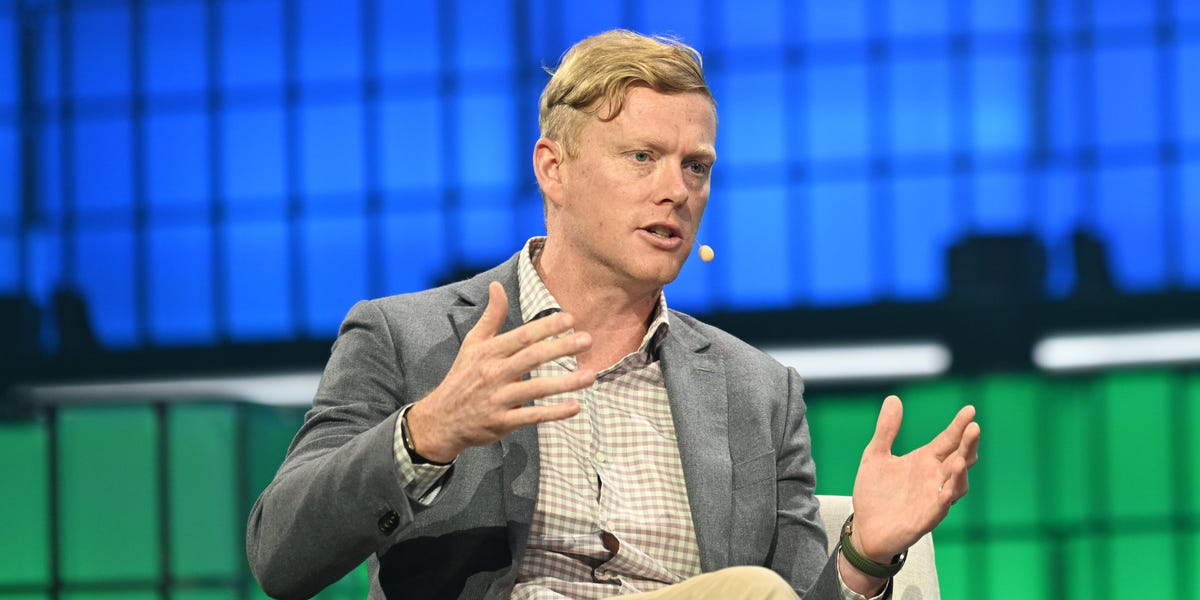
Uber COO Andrew Macdonald publicly questioned the productivity gains from tokenmaxxing in an interview released last week. His remarks landed during a period when AI costs are surging across Silicon Valley and investors are demanding clearer returns on capital. The critique immediately sparked debate about whether the practice of maximizing token usage in AI models delivers real value or simply inflates spending.
Macdonald's Critique Lands at a Pivotal Moment
Macdonald serves as chief operating officer of Uber Technologies Inc., a company that relies heavily on AI for routing, pricing, and demand forecasting. His skepticism carries weight because Uber is not an AI vendor. It is a large-scale consumer of AI. When a COO of that scale questions whether tokenmaxxing boosts productivity, the comment hits a nerve. The interview did not include specific examples from Uber's own operations. The general criticism was clear: the marginal benefit of pushing token usage higher appears to diminish quickly.
Why Uber's Stance Matters for AI Spending
The timing of Macdonald's statement is key. AI cost has become a fixation in earnings calls and boardrooms across technology. Tokenmaxxing – the practice of feeding models as many tokens as possible to improve outputs – often requires massive compute and memory resources. If a pragmatic operator like Uber sees minimal productivity lift, then other companies burning cash on the same approach may face pressure to recalibrate. For Uber itself, the comment signals internal discipline. The company has been investing in AI for years. Macdonald's public stance suggests it will not chase hype at the expense of efficiency.
AlphaScala data gives Uber an Alpha Score of 42/100, classified as Mixed, indicating a balanced technical and fundamental profile. The stock page is available here. The debate does not directly move the stock. It does frame Uber's management as cost-conscious – a trait that matters if the broader market starts penalizing runaway AI budgets.
The Next Catalyst for the Tokenmaxxing Debate
Macdonald's critique does not single-handedly end tokenmaxxing. It accelerates a narrative that was already forming in Silicon Valley: the era of unlimited AI spend without proof of return is closing. The next catalyst will come when other major AI users – think Meta, Microsoft, or Google – provide their own assessments of tokenmaxxing productivity. If they echo Macdonald, the practice could face a coordinated pullback. If they defend it, the debate becomes a proxy war over who manages AI capital better.
For Uber, the immediate decision point is whether its own AI spending reveals any shift. The next quarterly earnings call will be the first chance for analysts to ask Macdonald directly whether Uber has reduced token-maxing experiments. That answer will tell the market whether the critique was a one-off opinion or a policy change in the making.