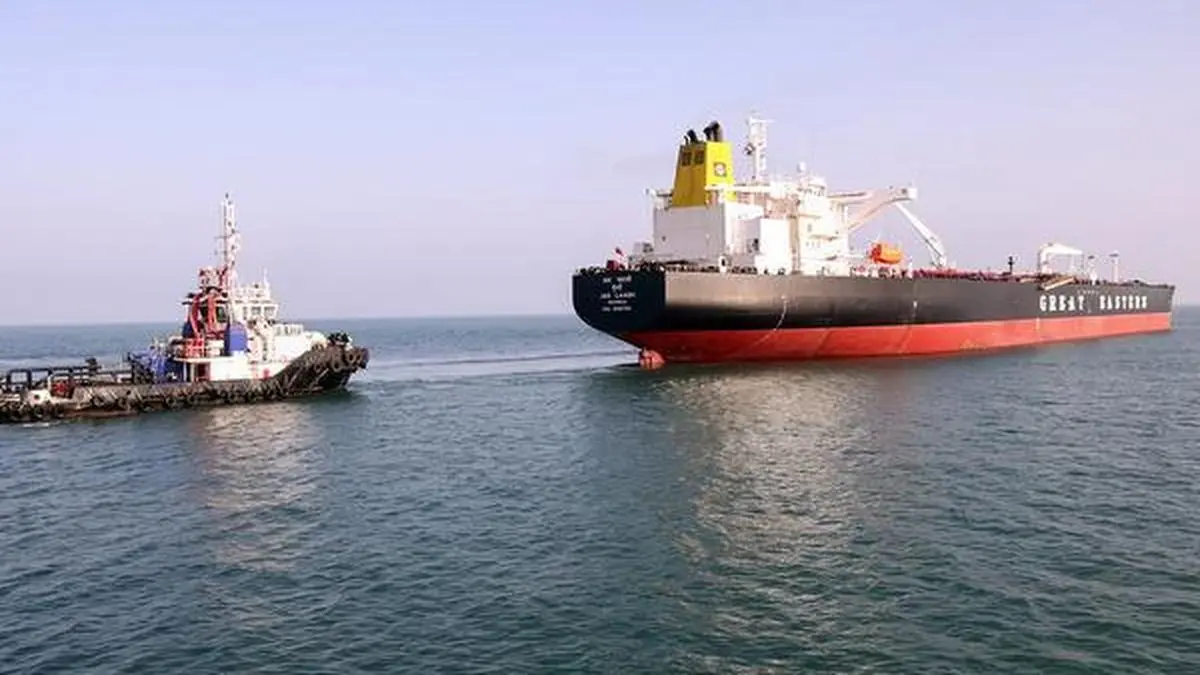
UAE OPEC Exit Signals Shift in Gulf Energy Sovereignty

The UAE's exit from OPEC+ marks a definitive shift in Gulf energy policy, prioritizing production autonomy over collective supply management and creating new volatility in global crude markets.
Alpha Score of 46 reflects weak overall profile with strong momentum, poor value, poor quality, moderate sentiment.
HASBRO, INC. currently screens as unscored on AlphaScala's scoring model.
Alpha Score of 52 reflects moderate overall profile with poor momentum, strong value, strong quality, weak sentiment.
Alpha Score of 47 reflects weak overall profile with moderate momentum, poor value, moderate quality. Based on 3 of 4 signals — score is capped at 90 until remaining data ingests.
The United Arab Emirates has formally initiated its departure from OPEC and the broader OPEC+ alliance, a move that fundamentally alters the governance of global crude oil production. This decision exposes a widening strategic rift between Abu Dhabi and Riyadh, centering on the autonomy of national production quotas and the long-term direction of energy policy. By moving to reclaim control over its output levels, the UAE is prioritizing domestic industrial expansion and revenue diversification over the collective supply management strategies that have defined the cartel for decades.
Production Autonomy and Market Share
The primary driver of this exit is the tension surrounding production capacity. The UAE has invested heavily in expanding its oil infrastructure, aiming to increase its baseline capacity to meet global demand. Under the existing OPEC+ framework, these investments were effectively capped by quotas designed to support price floors through collective supply restraint. Abu Dhabi now seeks to monetize these assets without the constraints of Riyadh-led production limits. This shift suggests a move toward a more aggressive market share strategy, as the UAE intends to utilize its expanded infrastructure to increase exports independently.
This departure creates a significant challenge for the remaining OPEC+ members, particularly as they attempt to manage global price stability. Without the UAE bound by the group's production agreements, the efficacy of future supply cuts becomes questionable. The market must now account for a major producer operating outside the cartel's influence, which complicates the supply-demand balance calculations that traders use to forecast price movements. The following factors define the immediate impact on the energy landscape:
- The loss of the UAE as a swing-producer ally for Saudi Arabia.
- A shift in the geopolitical leverage held by the Gulf Cooperation Council.
- Increased uncertainty regarding the future of the OPEC+ price-setting mechanism.
Geopolitical Fallout and Regional Stability
The timing of this exit is compounded by heightened regional instability, specifically regarding the fallout from ongoing tensions involving Iran. As the Strait of Hormuz remains a critical chokepoint for global energy transit, the fracturing of the Gulf's unified oil policy introduces a new layer of risk. Historically, OPEC+ provided a platform for regional coordination that extended beyond energy markets. The dissolution of this alignment suggests that the UAE is decoupling its economic interests from the security-centric policies often championed by Saudi Arabia.
This realignment may force other regional producers to reconsider their own commitments to the cartel. If the UAE successfully navigates the transition to an independent production policy without suffering significant market retaliation, other nations may view this as a blueprint for their own departures. The market is currently pricing in the potential for increased volatility as the cohesion of the OPEC+ bloc weakens.
For investors tracking these shifts, the next concrete marker will be the upcoming production data releases from the UAE. These figures will confirm whether Abu Dhabi is immediately ramping up output to test its new autonomy or if it will maintain a measured pace to avoid triggering a broader price collapse. Monitoring these output levels is essential for understanding the new supply floor in the global crude market. For broader context on how these shifts impact industrial sectors, see our commodities analysis and the latest updates on crude oil profile.
AI-drafted from named sources and checked against AlphaScala publishing rules before release. Direct quotes must match source text, low-information tables are removed, and thinner or higher-risk stories can be held for manual review.