Stocks● Neutral
TVS Motor Tops Global Durable Goods Value Ranking at 51% TSR
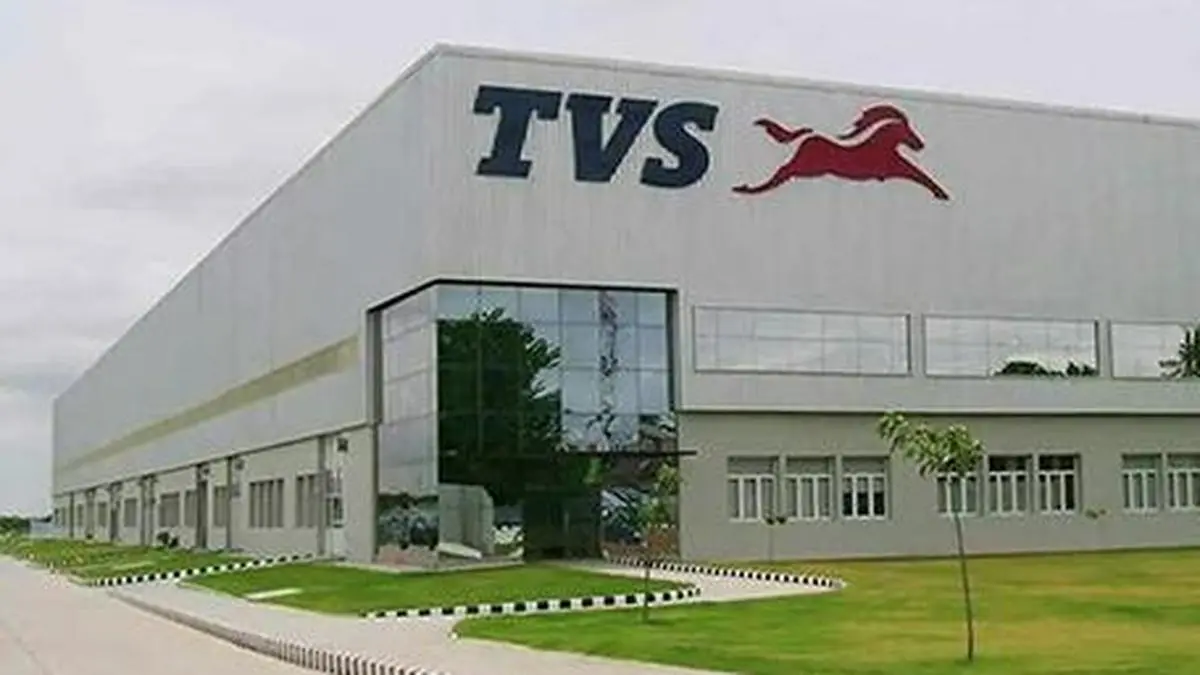
TVS Motor delivered 51% annual TSR from 2021-2025, topping peers globally. One-third came from valuation expansion. The next earnings report tests whether revenue growth can sustain the premium.
Continue with
TVS Motor Company, part of the TVS VENU group, was ranked Number 1 globally in the 'Durable Consumer Goods' category in the annual 'Best Stocks in the World' ranking published by Germany's WirtschaftsWoche. The ranking is based on the Boston Consulting Group (BCG) Value Creators analysis. Over the five-year period from 2021 to 2025, TVS Motor delivered an average annual Total Shareholder Return (TSR) of about 51%. That rate topped established peers from Japan, China, the United States, and India.
The independent study evaluated more than 2,000 listed companies across 35 industries worldwide. For an investor watching the Indian two-wheeler space, the ranking offers a concrete data point on which company generated the most shareholder value in its global category. The headline number alone does not explain the mechanism.
What Drove TVS Motor's 51% TSR
The release attributes the performance to two primary drivers: strong revenue growth contributed 22 percentage points, and a premium market valuation contributed 18 percentage points. Improving profitability and continuous balance sheet strengthening supplemented those gains.
This profile closely aligns with what the BCG study identifies as resilient companies: profitable, growth-oriented, and financially disciplined with reserves to withstand volatile market conditions. TVS Motor's revenue growth reflects its expanding market share in domestic two-wheelers and increasing export presence. The valuation premium suggests investors assigned higher multiples to the stock relative to peers, possibly due to its growth trajectory and brand positioning.
The Better Read: Valuation Sustainability
The simple takeaway is that TVS Motor generated outstanding returns. The better market read examines whether the valuation premium can persist. A premium based on future growth expectations can compress if the company fails to deliver consistent revenue increases. The 18 percentage points from valuation mean that roughly one-third of the TSR came from multiple expansion rather than fundamental earnings growth.