Macro● Neutral
Trump's India-Pakistan Tariff Threat Story Gets India Denial
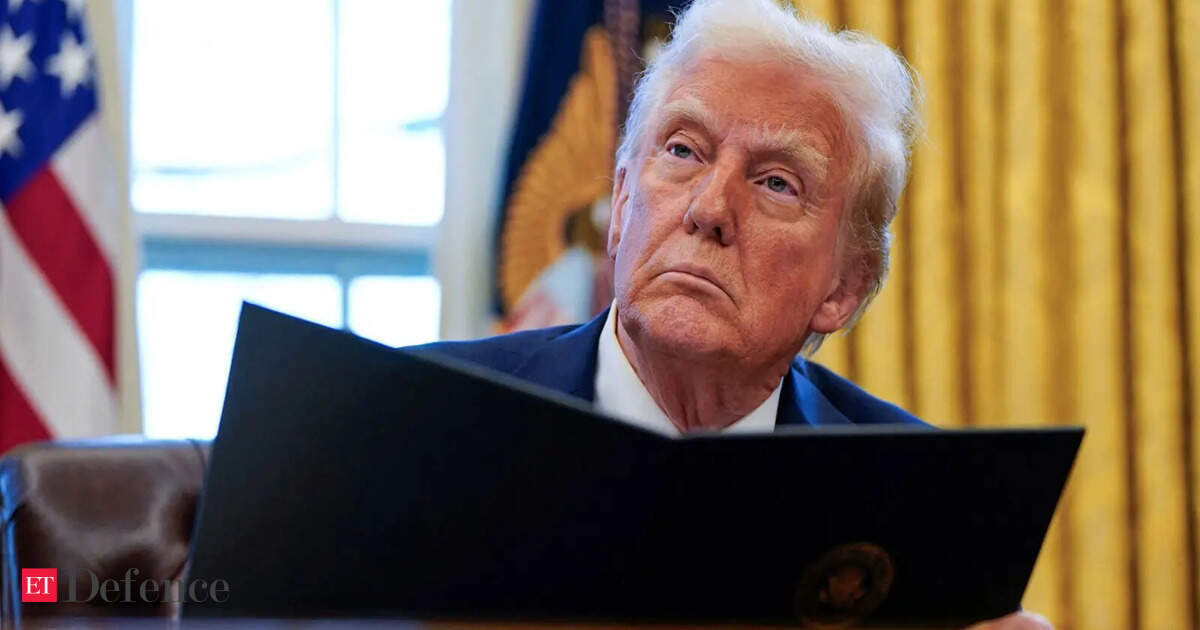
Trump's claim of averting India-Pakistan war via tariff threats drew immediate denial from New Delhi. Markets show no reaction, making the statement noise absent follow-through.
Continue with
President Donald Trump said he prevented a nuclear conflict between India and Pakistan by threatening both countries with 200% tariffs. He made the claim during a public appearance, asserting the economic pressure stopped eight wars, including the standoff that followed an April terror attack.
India's foreign ministry pushed back. Officials said the de-escalation was achieved through bilateral military talks. They rejected any U.S. mediation. The contradiction leaves the claim in dispute.
For markets, the immediate read is limited. The Indian rupee and Pakistani rupee have not moved. Defense stocks tied to the region show no unusual volume. Oil prices, which often spike on South Asian nuclear risk, have held steady.
The claim itself is the event, not a real escalation. No U.S. tariff announcement followed. No nuclear saber-rattling occurred. Market participants have no fresh catalyst to price.