Norman Mailer's 1948 debut, The Naked and the Dead, carried a famous typographical compromise. The publisher balked at the word. Mailer substituted "fug," a coinage that became a running joke. When asked what "fug" meant, the writer Dorothy Parker reportedly said it was short for "fucking" – a punchline that captured the gap between what could be written and what could be said.
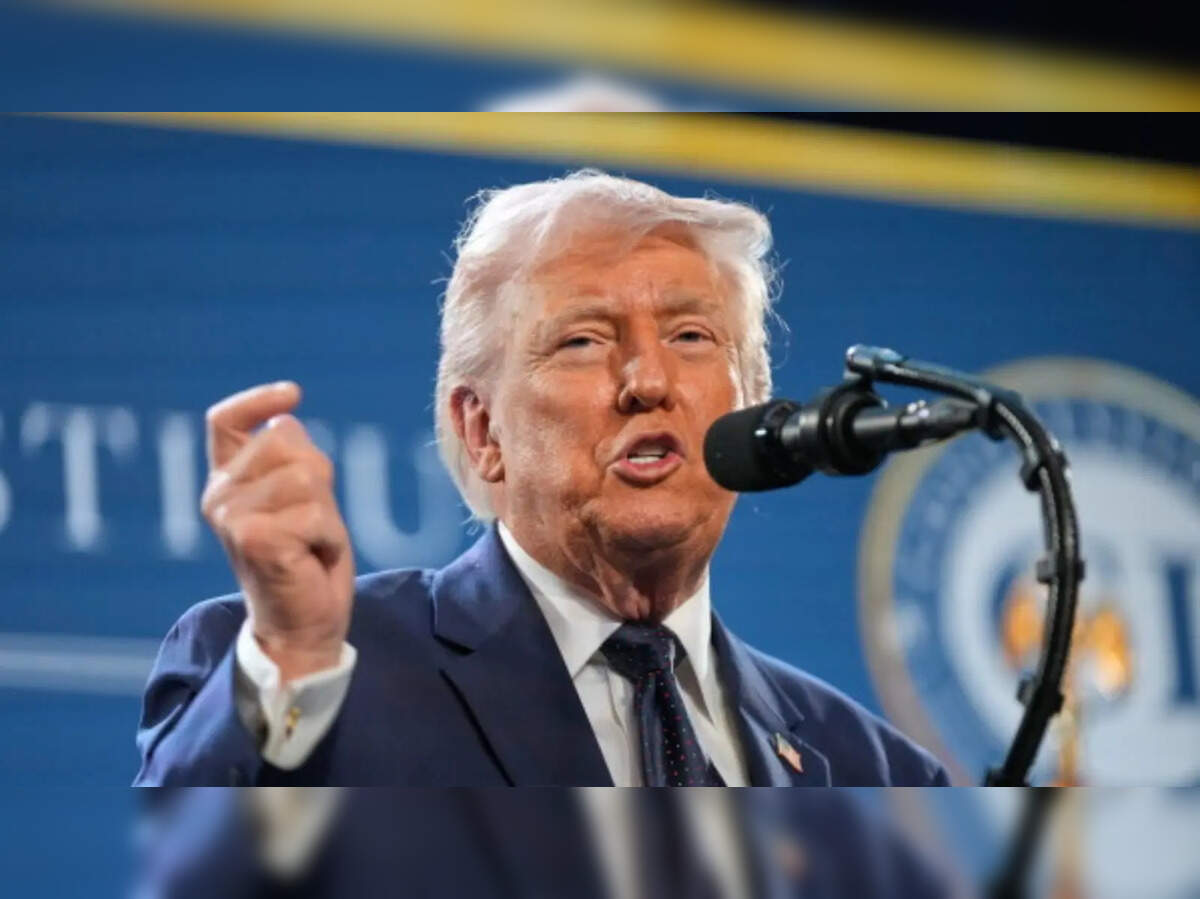
That gap has narrowed to near-invisibility. The F-word now appears in Supreme Court filings, cable news transcripts, and presidential speeches. Donald Trump's use of the word in the Oval Office, caught on a hot mic or delivered directly into a camera, is less a breach of decorum than a confirmation of a long-running shift. The word no longer shocks. It signals authenticity, or at least the performance of it.
Joseph Overton, a political theorist, described how ideas move from unthinkable to acceptable to popular. His framework, often applied to policy, works just as well for language. The Overton window for profanity has swung open. What was once a publisher's red line is now a rhetorical tool, deployed by politicians, comedians, and CEOs to signal that they are not bound by the old rules.
Trump's relationship with the word is instructive. He uses it as a blunt instrument – to dismiss opponents, to emphasize frustration, to claim a kind of street-level credibility that traditional political language cannot provide. The word's power in his mouth is not its shock value but its familiarity. It sounds like the guy at the next table, not the man behind the Resolute Desk.
The shift has commercial consequences. Media companies that once bleeped or blurred now run the word uncensored in news clips. Streaming platforms have no broadcast standards to satisfy. The F-word is a market signal: this content is for adults, this speaker is unvarnished, this moment is real.
Mailer's "fug" was a workaround for a culture that still pretended the word did not exist. Trump's F-bombs are the endpoint of that pretense. The word has conquered not because it is stronger but because the walls around it have collapsed. What remains is a four-letter tool, stripped of its old power to offend, repurposed as a badge of candor.
The question is not whether the word will appear in the next presidential address. It already has. The question is whether anyone still flinches.