Commodities● Neutral
Trump Pledges Strait of Hormuz Reopening: Energy Market Impact
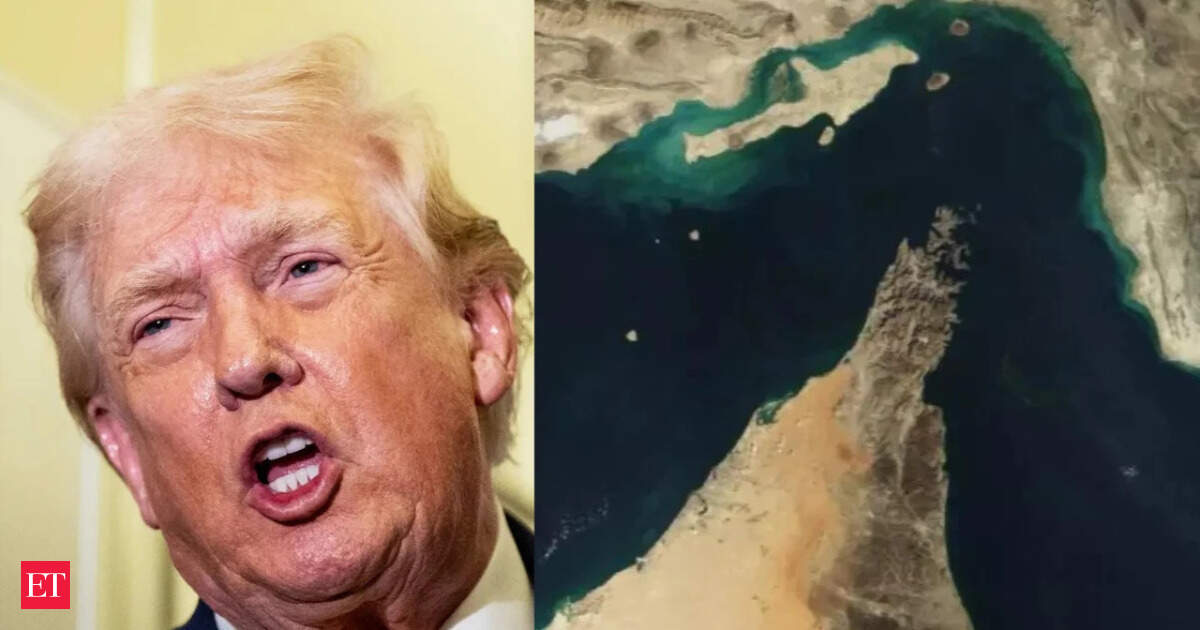
With 21 million barrels of oil transiting the Strait daily, Trump’s pledge aims to curb volatility. Watch for shifts in tanker traffic and risk premiums.
Continue with
A Critical Chokepoint Under Pressure
The global energy markets are bracing for potential volatility as President Donald Trump has issued a definitive pledge to ensure the Strait of Hormuz is reopened "fairly soon." The narrow waterway, which serves as the most vital maritime transit point for global oil supplies, has long been a flashpoint for geopolitical tension. With a significant portion of the world’s liquefied natural gas (LNG) and crude oil passing through this narrow passage between Oman and Iran, any disruption to its flow carries immediate, inflationary implications for global energy prices.
President Trump’s remarks signal a high-stakes diplomatic and strategic push to neutralize threats to freedom of navigation in the region. For traders and energy analysts, the statement serves as a reminder of the fragility of the global supply chain and the administration’s focus on maintaining the status quo in one of the most contentious geopolitical corridors on the planet.
The Strategic Importance of the Strait
To understand the gravity of the President’s comments, one must look at the data. The Strait of Hormuz is widely considered the world’s most important petroleum chokepoint. According to data from the U.S. Energy Information Administration (EIA), the passage sees the transit of roughly 21 million barrels of oil per day, accounting for nearly one-third of global seaborne-traded petroleum.
Any threat to this route—whether through military posturing, mining, or outright blockage—is historically met with a sharp spike in Brent and WTI crude futures. Traders often price in a "geopolitical risk premium" when tensions rise in the Persian Gulf, as the logistical alternative routes are either non-existent or prohibitively expensive in terms of time and shipping costs.