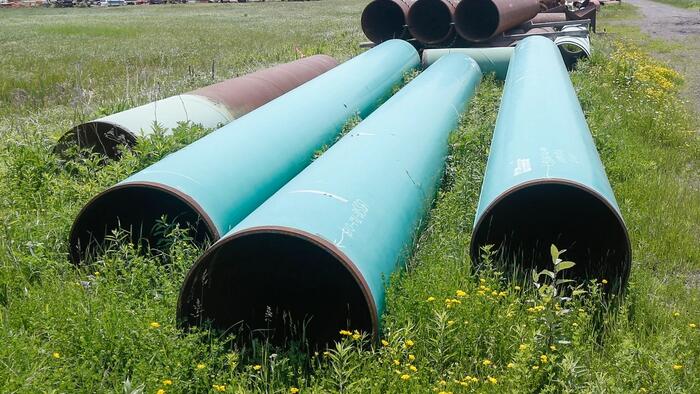
President Trump has signed executive orders to expedite cross-border pipeline permits, aiming to increase the flow of crude oil and natural gas between Canada and the United States. The policy shift targets the removal of multi-year regulatory hurdles that have historically throttled infrastructure expansion, effectively prioritizing energy security and import capacity over the previous administration's climate-centric blockade.
Infrastructure Bottlenecks and Market Flow
Energy traders have long navigated a fragmented landscape where pipeline capacity often dictates local spot prices. By accelerating project approvals, the administration aims to compress the price spread between Western Canadian Select (WCS) and West Texas Intermediate (WTI). Increased pipeline throughput directly benefits midstream operators and refiners who depend on consistent feedstock volumes from northern basins to optimize their capacity utilization.
Institutional capital has been hesitant to fund major cross-border energy projects due to the high probability of litigation and permit revocation. This pivot suggests a return to a more predictable regulatory environment, which could lower the cost of capital for future midstream development. If these projects reach financial close, the impact on North American energy pricing will be structural rather than transitory.
Sector Implications for Traders
Market participants should track the following impacts on the energy complex:
- Refining Margins: Increased access to heavy Canadian crude provides a cost advantage for US refiners in the Midwest and Gulf Coast, potentially expanding margins for firms with high coking capacity.
- Midstream Valuations: Midstream entities are likely to see a valuation re-rating as the probability of project completion rises, reducing the risk premium long embedded in their shares.
- Commodity Spreads: Expect the WCS-WTI differential to narrow as logistics constraints loosen, potentially altering the profitability of integrated oil majors.
"The restoration of cross-border energy infrastructure is a fundamental necessity for continental energy independence," the administration stated in its briefing on the executive action.
What to Watch
Traders should monitor the legal responses from environmental groups, as litigation remains the primary risk factor for project delays. Watch for updates from the Department of State and the Federal Energy Regulatory Commission regarding specific project timelines. The reaction in the XLE sector ETF will be a primary indicator of broader market sentiment toward energy policy changes. Monitor the front-month CL futures for volatility as the market prices in the potential for increased supply elasticity in the coming quarters. Any sign of accelerated construction spending will serve as a bullish signal for the heavy equipment and engineering sub-sectors.
Infrastructure development remains the most direct way to influence the domestic cost of energy supply, and this move marks a distinct departure from the previous focus on demand-side management.