Trump: Iran Deal Phase 2 Cuts Oil Risk Premium
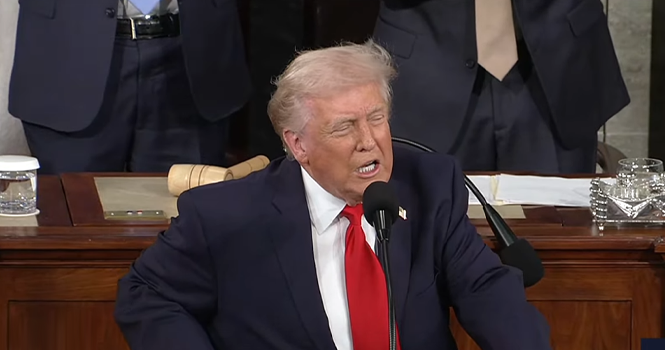
Trump says Iran deal enters second phase, no U.S. investment. Brent crude trims gains as oil risk premium shrinks. S&P 500 holds near highs, defense stocks slip.
President Donald Trump said the agreement with Iran is moving into a second phase, adding that the United States will not provide any financial investment in Tehran as part of the deal. He spoke to reporters on the sidelines of the G7 Summit in France on Monday, June 16, expressing optimism that the next phase could prove easier than the previous one, Reuters reported.
Trump said the new accord ensures Iran will not obtain a nuclear weapon. He warned that any attempt by Tehran to develop one would trigger a severe response, including the possibility of a major military confrontation.
For markets, the headline gives the oil risk premium a reason to shrink. A deal that makes Iranian oil sanctions relief more permanent – or at least predictable – adds supply-side clarity to a crude market that has been pricing in constant disruption risk. Front-month Brent trimmed gains in afternoon trading as the comments crossed wires, though the move was modest: about 40 cents lower on the session after trading near $83 earlier.
Equity markets saw a mild risk-on tilt. The S&P 500 held near session highs, with sectors sensitive to energy costs – airlines, transports, and consumer discretionary – outperforming. Defense stocks edged lower, as a de-escalated Iran posture reduces the immediate threat narrative that has supported names like Lockheed Martin and Northrop Grumman. Neither stock moved more than 1%.
Trump also said he plans to hold talks later with Ukrainian President Volodymyr Zelenskyy, urging Russia to work toward an agreement to end the conflict. That adds a second geopolitical variable to the day's mix. A Russia-Ukraine ceasefire would remove another layer of energy and grain supply uncertainty, talks remain preliminary and no timeline was given.
The Iran deal's second phase reduces tail risk in the Middle East without eliminating it. The administration's refusal to invest financially in Iran keeps the incentive structure lopsided: Tehran gets sanctions relief but no capital infusion. That limits the upside for oil bears. Iran's production capacity is already near 3.5 million barrels per day, additional investment is needed to push past that ceiling. Without U.S. capital, the export recovery may stall at current levels.
On the nuclear side, Trump's threat of a severe military response if Iran cheats is consistent with the maximalist stance he has taken since leaving the original JCPOA. Markets have heard this language before, the immediate price reaction was muted. The real test comes if verification mechanisms are challenged or if Iran tests a centrifuge cascade.
The next concrete marker is the text of the second-phase agreement. Nothing has been published yet. Until the terms are known, the market is pricing a modest reduction in geopolitical tension – enough to shave a dollar or two off crude but not enough to trigger a broad risk-on rotation. Traders will watch for any mention of an inspection regime or a timeline for full compliance.
For equity investors, the implication is sector-specific, not macro. Lower oil is a headwind for energy stocks and a tailwind for consumer spending. A ceasefire in Ukraine would compound that effect by lowering European natural gas prices. Both catalysts are in the nascent stage. The safe play remains to fade the initial move and wait for hard details.
Drafted by a large language model from the source reporting linked above, then screened by automated publishing checks. It is not read by a journalist before publication. Some articles cite our Alpha Score. Verify prices and figures against the original source. Educational coverage, not personalized advice.