Macro● Neutral
Trump Iran deal claim roils crude, farm markets as Iran denies deal
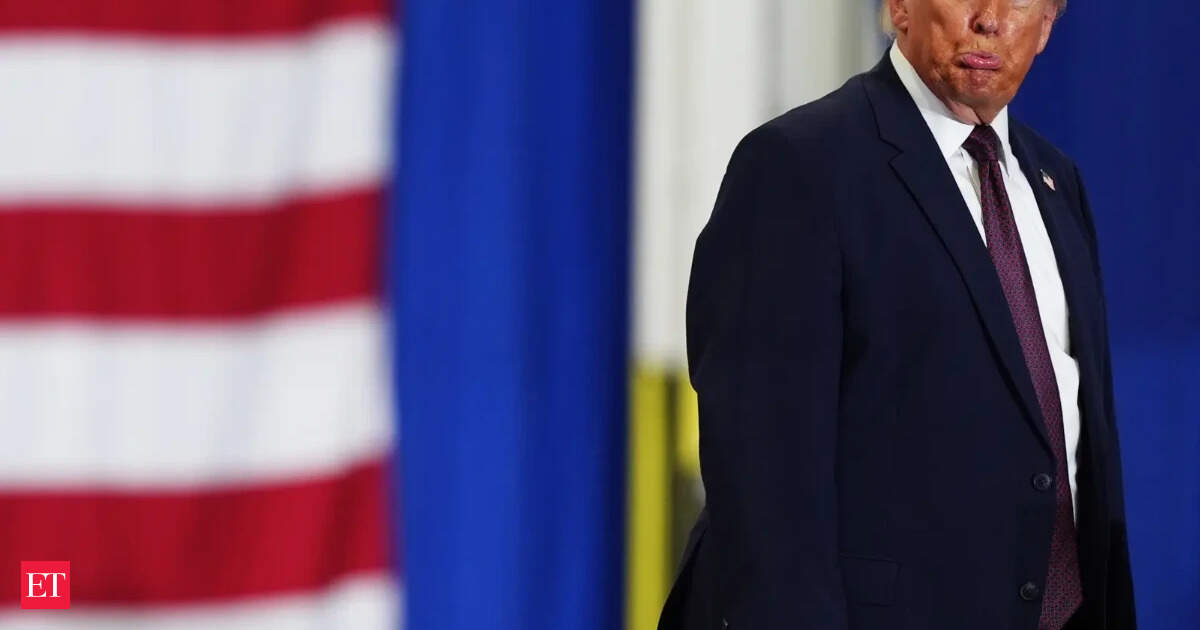
The White House said the deal would open Iran's market to US farm exports, but Tehran called the claim baseless. Crude and grain futures swung.
Continue with
The White House said this week that a new agreement with Iran would unlock the country's market for American agricultural exports, framing the deal as a windfall for US farmers. Iran's Foreign Ministry denied any such deal exists, calling the claim "baseless" and a distraction from unresolved nuclear issues.
The competing statements hit commodity markets at a time when crude oil, grains and gold were already pricing in elevated geopolitical risk. WTI crude futures swung from a gain of more than 1% to a loss of 0.8% within hours, then settled near unchanged. Soybean and corn futures ticked lower on the uncertainty, then recovered.
The claim follows a previous development in which Trump announced that Iran had agreed to permanent nuclear inspections and that the Strait of Hormuz would remain open. That earlier report, which Tehran neither confirmed nor denied at the time, had already tempered some of the risk premium in oil. Trump: Iran Agrees to Permanent Nuclear Inspections, Hormuz Open
For traders, the immediate question is whether the agricultural export claim has any basis. The US is a major exporter of soybeans, corn and wheat, and Iran has been a sporadic buyer. If the deal were real, it would mean a new outlet for American grain at a moment when the administration has been compensating farmers for lost sales during trade disputes. Iran's denial suggests the claim may be aspirational rather than operational.