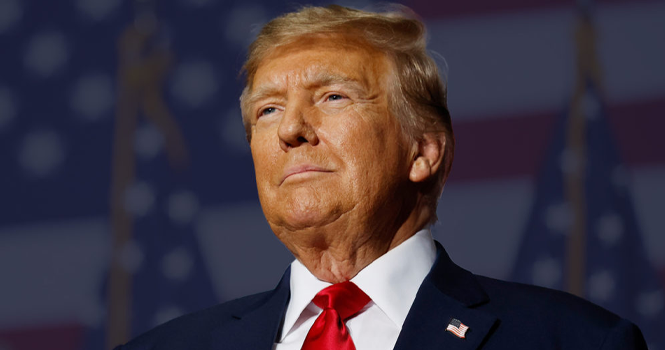
Donald Trump stated that the United States possesses the capability to dismantle Iran’s critical infrastructure, specifically citing power stations and bridges, within one hour if a formal peace agreement fails to materialize. This rhetoric marks a return to high-pressure negotiation tactics, framing industrial destruction as a viable alternative to diplomatic resolution.
Market Sensitivity to Middle East Escalation
Geopolitical tension remains a primary driver of volatility for energy and safe-haven assets. When threats target specific infrastructure like power grids, the immediate reaction in the crude oil profile is typically a bid on the futures curve to account for potential supply chain disruptions or transit blocks in the Strait of Hormuz. Traders often look for rapid spikes in Brent and WTI as a direct hedge against regional instability.
Beyond energy, these statements impact the broader risk-off sentiment in global indices. Markets generally react to such threats by pricing in a higher risk premium, which can trigger rotations out of growth-oriented equities and into defensive sectors or gold. For those tracking the gold profile, this type of rhetoric serves as a catalyst for flight-to-safety capital flows.
Historical Precedent and Tactical Positioning
Historically, threats against national infrastructure are viewed by the Street as extreme bargaining positions rather than immediate tactical orders. However, the market impact is binary. If investors perceive that the probability of a kinetic strike has increased, the following assets usually see immediate price action:
- CL (WTI Crude): Direct exposure to supply disruption fears.
- XAU/USD (Gold): Immediate safe-haven bid during periods of elevated geopolitical uncertainty.
- SPX: Potential for a broad pullback as risk-off sentiment takes hold.
"The United States can destroy Iran’s critical infrastructure, including bridges and power stations, within an hour if a peace deal is not reached."
What Traders Are Watching
Traders should monitor the spread between spot and forward oil prices, as a widening contango or sudden backwardation often reflects actual supply concerns versus mere headline noise. Keep a close eye on the SPX and IXIC for signs of sector rotation; if the market begins to dump tech in favor of defense contractors or energy majors, it is a sign that institutional desks are taking the threat seriously.
Watch for official state department rebuttals or diplomatic de-escalation efforts, as these are the primary triggers for mean-reversion trades. The current environment remains sensitive to any shift in foreign policy positioning, making short-term volatility in energy-linked pairs a high probability event.
Ultimately, the market will treat these comments as a test of the diplomatic status quo until physical evidence of troop movement or sanctions escalation confirms a change in tactical reality.