Trump says US officials to meet Iran in Doha on Tuesday while Tehran denies technical talks. The Strait of Hormuz ceasefire faces a trust test.
President Donald Trump said Monday that senior US officials will meet Iranian counterparts in Doha on Tuesday to preserve the fragile interim agreement that ended months of fighting. Tehran denied that any technical working-group meetings are scheduled for this week.
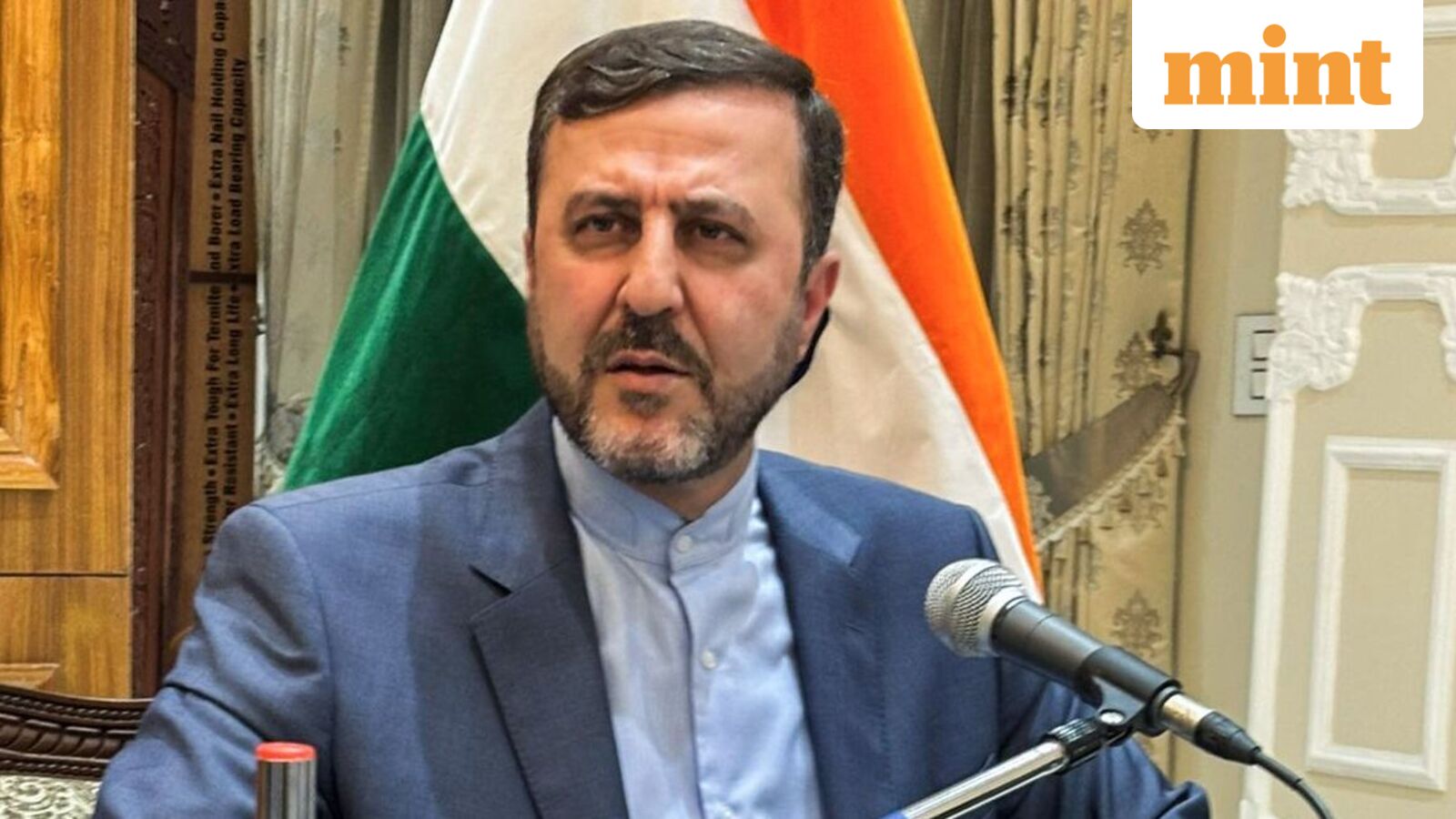
Deputy Foreign Minister Kazem Gharibabadi said no technical talks are planned. "Consultations with Qatar on implementing commitments under the agreement are continuing. Reports about technical talks in Doha are not confirmed."
The duelling announcements reflect the strain on the 14-point memorandum of understanding signed June 17. The MOU committed both sides to a ceasefire and reopened the Strait of Hormuz. A broader settlement was to be negotiated within 60 days. Recent attacks on commercial vessels in the Gulf, followed by US retaliatory strikes, have raised fears the agreement could unravel before a permanent deal is reached.
The Strait of Hormuz carries about one-fifth of the world's oil shipments. Its reopening after the June 17 agreement helped push crude prices sharply lower as traders priced out the disruption premium. Recent attacks on vessels and US strikes have threatened that reopening.
White House Press Secretary Karoline Leavitt confirmed Special Envoy Steve Witkoff and Jared Kushner will fly to Doha for high-level discussions. "On the sidelines of those high-level talks will be the technical talks," Leavitt told Fox News. She warned that Washington would continue responding to attacks. "As far as we're concerned, we're holding up our end of the ceasefire. Violence will be met with violence."
The technical working groups handle the implementation details: uranium dilution timelines and sanctions relief schedules. Without those groups, high-level talks produce agreements that lack execution mechanics. The discrepancy over whether technical meetings are scheduled is a sign of mistrust between the two sides.
Iranian President Masoud Pezeshkian said Monday that progress had been made toward releasing part of the $12 billion in Iranian funds held under US sanctions in Qatar. "In accordance with established plans, $6 billion out of the total will be released and returned to the country," he said. US officials have maintained that no frozen assets have been released. Qatar has not publicly confirmed any transfer.
The 60-day negotiation window included in the June 17 deal is approaching its midpoint. The interim agreement also requires Iran to dilute its stockpile of enriched uranium in exchange for sanctions relief and the continued opening of the strait. Neither side has publicly verified compliance with those terms.
For investors tracking the geopolitical premium in oil, the Doha meeting is a near-term catalyst. The sharp drop in crude after the ceasefire had boosted energy equities. A breakdown risk could reverse that gain. Broader context on how geopolitical risk feeds into stock market analysis is relevant here.
Leavitt said the attacks on commercial vessels drew US response. "There were attacks on commercial vessels that the United States of America, directed by the president, responded to. We hope we don't see that. The president obviously wants to see the peace process play out."
Prepared with AlphaScala research tooling and grounded in primary market data: live prices, fundamentals, SEC filings, hedge-fund holdings, and insider activity. Each story is checked against AlphaScala publishing rules before release. Educational coverage, not personalized advice.