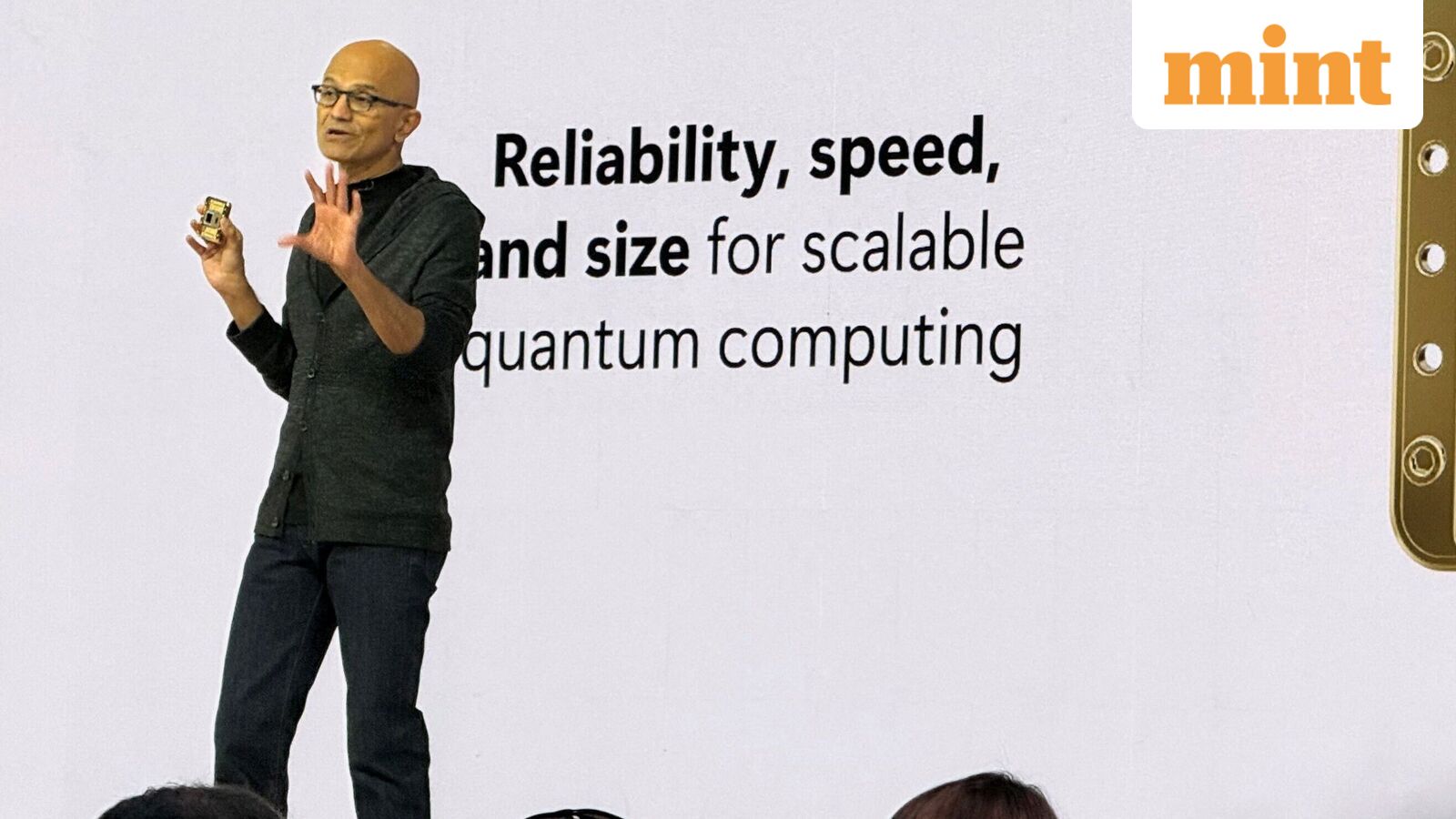
Microsoft shares fell 4.17% on Tuesday after President Donald Trump signed an executive order requiring tech companies to give the government access to frontier AI models 30 days before commercial release. The drop erased gains from the same day's annual developer event, where CEO Satya Nadella unveiled a revamped Windows operating system and seven new AI models.
Trump AI Executive Order: The 30-Day Review Condition That Changed the Setup
The executive order grants the government power to scrutinize AI models in the interest of national security. Any frontier model must be submitted for review one month before it hits the market. Microsoft's announcements arrived on the same day this order was signed, creating a direct regulatory overlay on the company's developer push.
Dave Citron, corporate vice-president of Microsoft AI, said the company has a long-standing history of partnering with governments and creating policies that respect regulatory fragmentation of every sovereign nation. The new order, however, introduces a binding timeline and an unknown outcome.
Simple read: Tech stocks fell because of the order. Better market read: The order introduces a potential delay that could slow Microsoft's pace of AI deployment, especially for frontier models like the new 35-billion-parameter thinking model. The cost of compliance may include altered release schedules, feature restrictions, or public rejections that damage developer confidence.
Microsoft's Windows AI Push: Developer Mindshare Versus Compliance Burden
Nadella described the Windows updates as one of the most significant in the OS's history. Windows has 1.4 billion users worldwide and 100 million users in India. The announcements included:
- New small AI models that run locally on Windows laptops.
- Tools to make Windows more compatible for AI developers working across platforms, including Apple's Macs.
- New PCs in partnership with Nvidia.
- Custom processors that Nadella claimed would offer the cheapest performance per dollar per watt.
- Project Solara, an agentic AI platform built with Qualcomm and MediaTek, designed to adjust its interface to devices that may not yet exist.
- M-Dash, a cybersecurity platform developed with Anthropic that autonomously scans and patches infrastructure risks. Accenture and PricewaterhouseCoopers are first customers.
Jim Mercer, program vice-president at IDC, said the key for Microsoft is to win back developer mindshare from new firms such as Anthropic and OpenAI, which are going aggressive on innovation with little to lose. Microsoft has been around for decades and its approach is more conservative. The regulatory overlay makes that competition harder: developers may hesitate to build on a platform whose AI features face government review.
"The key thing for Microsoft is to be able to win back developer mind-share from new firms such as Anthropic and OpenAI, which are going aggressive on innovation and almost have nothing much to lose–as compared with Microsoft that has been around for decades."
– Jim Mercer, IDC
The New AI Models: 35-Billion-Parameter Thinking Model Under Regulatory Microscope
Mustafa Suleyman, Microsoft's AI chief, launched the company's first 35-billion-parameter thinking model. He claimed it is on par with or better than models from Anthropic, Google, and OpenAI. Citron said Microsoft will continue its partnerships with those firms alongside offering enterprise clients its own models.
The executive order targets frontier AI models directly, and Microsoft's 35-billion-parameter model likely qualifies. If the government finds national security concerns, Microsoft could face restrictions that delay or modify commercial release. That risk is binary and material for any developer building on that model.
Anushree Verma, senior director analyst at Gartner, said Microsoft is carefully building out completely independent capabilities that give it full control of the AI stack. She noted that the OpenAI partnership has not paid long-term dividends as the two companies chase different paths.
"Microsoft’s OpenAI partnership, though fruitful early on, hasn’t quite paid long-term dividends as the two companies chase different paths of progress. This makes Project Solara and its foundational models crucial for the long run, and Microsoft is one of the few around the world – alongside Google – to have access to enough capital to chase both market-facing applications and moonshot innovations alike."
– Anushree Verma, Gartner
Analyst Views: IDC and Gartner on Microsoft's Strategic Pivot
Mercer described the announcements as largely on-theme given the current balance of circumstances in the technology industry. The focus on Windows and developers shows a clear eye on the long run under Nadella's proven leadership. Verma said Microsoft has enough capital to chase both market applications and moonshot innovations, a luxury few companies share.
AlphaScala data: MSFT carries an Alpha Score of 67 out of 100, labelled Moderate. The stock closed at $441.31 on Tuesday, down 4.17%. The sector is Technology. The full profile is available on the MSFT stock page. Comparatively, Nvidia, a key partner in the Windows AI push, saw its own stock decline on the same session and carries an Alpha Score of 78 (Strong). See the NVIDIA profile for details.
What Would Confirm or Reduce the Regulatory Risk for MSFT
The executive order is the new variable. Investors need to track whether this rule becomes a recurring bureaucratic hurdle or a tail risk that shifts developer spending toward more compliant platforms.
- Risk reduction: If the order is challenged in court, modified, or if Microsoft clears review quickly for its first models, the regulatory overhang diminishes.
- Risk materialization: A publicized delay or rejection of a Microsoft model based on national security grounds would validate the worst-case scenario. Developers could migrate to platforms outside US jurisdiction.
- Confirmation signal: If Microsoft's Windows AI features are approved with no restrictions, that could differentiate it from rivals that draw tougher scrutiny. The company's long government relationship may give it a procedural edge.
- Weakening signal: If the order leads to slower iteration cycles for Microsoft relative to Anthropic or Google, the developer mindshare problem Mercer described would worsen.
The Tuesday event gave developers new tools and models. The same day's order gave them a reason to question whether those tools will stay available. Microsoft's stock drop is the market's first pass at pricing that uncertainty. Further moves will depend on how quickly and cleanly Microsoft navigates the 30-day review requirement – and whether other governments follow Trump's lead.
The writer was in San Francisco on Microsoft's invitation.
This article is based on a report from Mint Premium.