Macro● Neutral
Treasury Readies $250 Bill With Trump Portrait if Law Changes
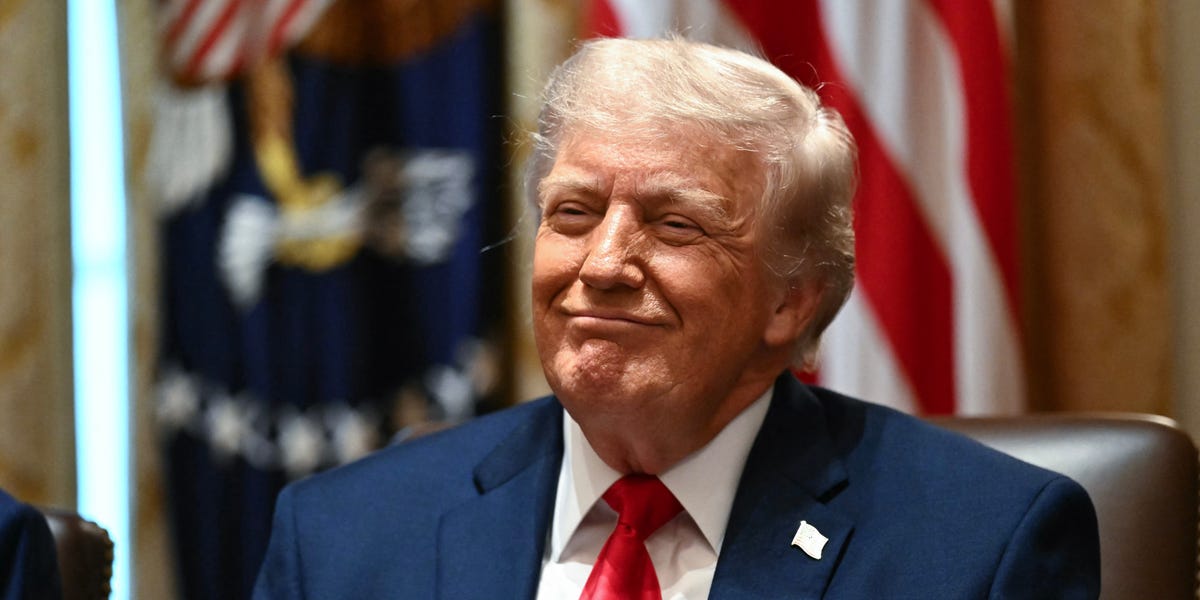
Treasury Secretary Bessent says the department is prepared to print a $250 note featuring Donald Trump. The living-person ban and new denomination raise questions about dollar credibility.
Continue with
Treasury Secretary Scott Bessent said the department is prepared to put President Donald Trump's face on a new $250 bill if Congress changes current law. The statement confirms that the administration has examined the logistics of a denomination that does not exist in US currency today.
Under existing statute, no living person may appear on American paper currency. Trump would be the first living figure on a bill in more than 160 years if legislation passes. The $250 denomination itself is new: the highest note currently in circulation is the $100 bill.
Inflation Signal in the $250 Face Value
A new $250 note would represent the first denomination addition since the $100 bill was redesigned in 2013. Historically, high-denomination bills have been retired. The $500, $1,000, $5,000, and $10,000 notes were discontinued in 1969. Reintroducing a denomination above $100 signals that the Treasury sees demand for a larger unit of exchange.
That demand often tracks inflation. Rising prices erode the purchasing power of the $100 bill, making larger denominations more practical for cash transactions. The $250 face value implicitly acknowledges the dollar's lower real value over time, a dynamic explored in Why Softer US Inflation Reshapes Global Macro Trades. For macro traders, this is a secondary signal. The primary transmission mechanism remains the Federal Reserve's interest rate path and fiscal policy. A new denomination does not change the money supply or yield curve. The proposal highlights the administration's willingness to use the Treasury's printing capability as a political instrument. That perception alone can affect risk premia in USD-denominated assets if foreign holders view it as a departure from precedent.