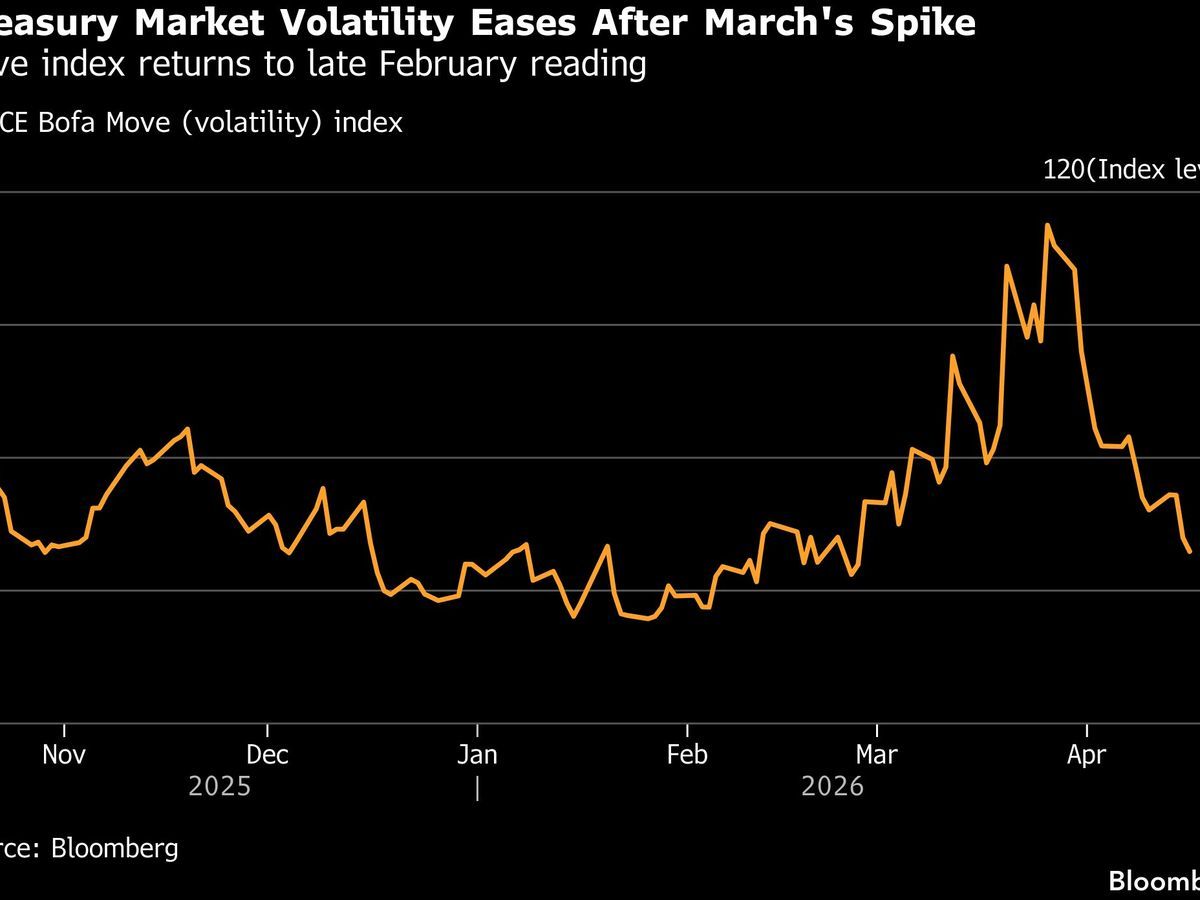
The Treasury market is shifting its focus from geopolitical risk premiums to the impending fiscal policy framework as the nomination of Kevin Warsh moves to the forefront of investor attention. With the easing of tensions in the Middle East, the primary driver for bond yields has transitioned from flight-to-safety demand toward the potential for structural changes in debt issuance and regulatory oversight. The market is now pricing in the possibility of a more hawkish approach to fiscal discipline, which could alter the long-end yield curve trajectory.
The Transmission of Fiscal Policy to Yields
Bond traders are recalibrating their expectations for term premiums as the legislative process for key economic appointments gains momentum. The prospect of a shift in the Treasury Department's management style suggests a potential reduction in the supply of long-dated bonds, or at least a more disciplined approach to deficit financing. If the confirmation process signals a preference for tighter fiscal control, the immediate impact would likely be a flattening of the yield curve. This reflects a market belief that long-term inflation expectations may be anchored by a more rigorous oversight of government borrowing requirements.
Dollar and Equity Market Linkages
The dollar remains sensitive to these developments, as any indication of a more hawkish fiscal stance typically supports the currency by increasing the attractiveness of nominal yields relative to international peers. Equity markets, particularly in the healthcare and technology sectors, are monitoring these developments to assess the impact on the cost of capital. For companies like Agilent Technologies, Inc., which currently holds an Alpha Score of 55/100, the stability of the long-end yield is critical for valuation models that rely on predictable discount rates. Investors are weighing the potential for a more stable interest rate environment against the risk of reduced government spending on research and development initiatives.
AlphaScala data currently classifies Agilent Technologies, Inc. as a moderate performer within the healthcare sector. You can track further developments on the A stock page as the confirmation process unfolds.
Structural Shifts in Capital Allocation
Beyond the immediate reaction in Treasury futures, the market is evaluating how a change in leadership influences the broader macroeconomic indicators and the shift in consumer discretionary spending. If the new administration prioritizes a reduction in the fiscal deficit, the resulting contraction in government liquidity could dampen consumer sentiment over the medium term. This creates a complex environment for fixed-income managers who must balance the benefits of lower inflation expectations against the potential for slower economic growth.
As the confirmation hearings approach, the next concrete marker for the market will be the specific testimony regarding the Treasury's approach to the debt ceiling and the management of the yield curve. Traders will be looking for any divergence from current issuance patterns, as this will dictate the supply-demand balance for the remainder of the fiscal year. The focus remains on whether the incoming leadership will prioritize market stability or aggressive fiscal reform, a distinction that will define the next phase of volatility in the bond market. For further context on how these shifts interact with global trade, see US-India Trade Negotiations Signal Shift in Tariff Policy Framework.