Macro● Neutral
Treasury Draft Warns AI Downturn Would Hit Wider Than Dotcom Bust
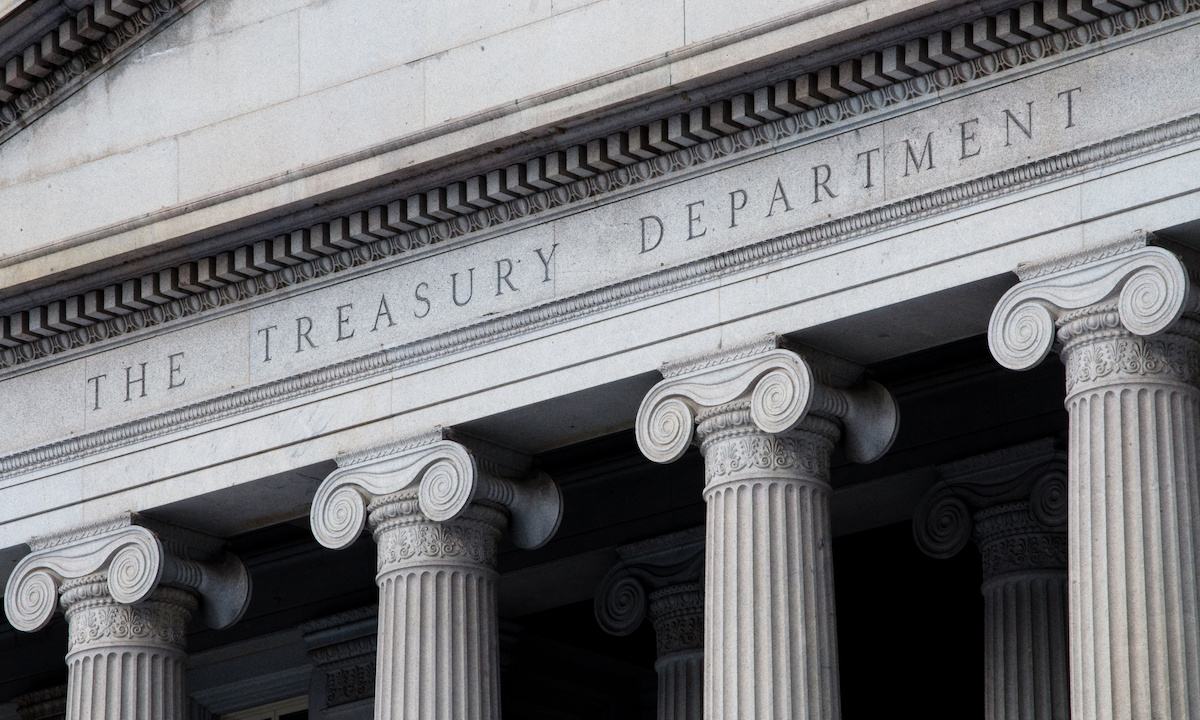
Treasury analysts found AI firms are more embedded in the economy than dotcom predecessors. A downturn would hit stocks, private credit, data center financing, and utilities.
Continue with
The U.S. Treasury Department has drafted a report warning that a collapse in artificial intelligence stocks would inflict broader economic damage than the dotcom bust, according to NOTUS, which obtained a copy of the document.
Career Treasury analysts found that AI firms are more deeply embedded in the broader economy than their late-1990s predecessors. A downturn would hit stock markets, private credit, data center financing, cloud providers, chipmakers and utilities, the analysts wrote.
The report stops short of predicting an imminent crash. It projects that companies would cut investment, investors would lose confidence and economic growth would slow if the industry falters. The AI sector is especially exposed to a pullback in funding for data centers and other infrastructure projects, along with unmet expectations for sustained growth, the analysts found. They said those dynamics mirror the dotcom crash.
The industry is concentrated among a small number of firms, relies heavily on private-market financing and has poured capital into data center infrastructure, according to NOTUS. Supply chain disruptions, geopolitical tensions, electricity bottlenecks and utility shortfalls could all block AI's momentum, the analysts found. Fewer retail investors back AI than backed dotcom ventures, meaning a sustained downturn would fall harder on the institutional investors that underpin financial stability, the report indicated.