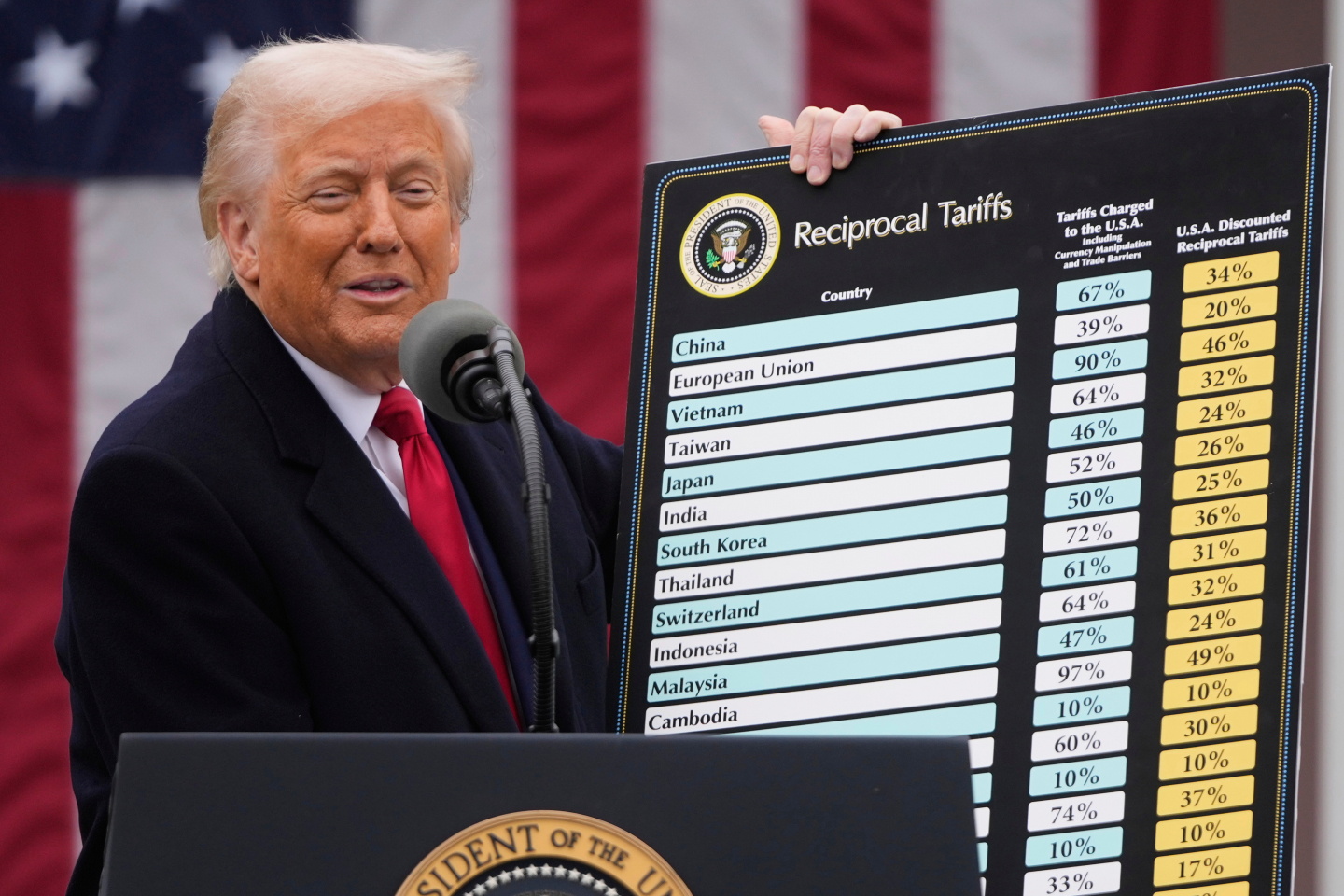
The anniversary of what some observers term Liberation Day serves as a focal point for evaluating the long-term efficacy of protectionist trade policies. While proponents argue that tariffs serve as a necessary mechanism for domestic industrial revitalization, the broader macroeconomic data suggests a more complex transmission of costs to the end consumer. The structural shift toward localized supply chains often results in higher input costs, which eventually filter through to the headline inflation prints that dictate central bank policy trajectories.
The Transmission of Protectionist Costs
Tariffs function as a tax on consumption that disrupts established global trade efficiencies. When a nation pivots toward aggressive trade barriers, the immediate impact is observed in the pricing power of firms reliant on imported raw materials or intermediate goods. This creates a persistent inflationary floor that complicates the task of monetary authorities. If the central bank attempts to offset these supply-side shocks with tighter financial conditions, the result is often a contraction in capital expenditure and a cooling of labor market demand. The friction introduced by these policies is not merely a temporary adjustment but a fundamental alteration of the cost structure for multinational corporations.
Capital Allocation and Corporate Resilience
Investors are currently recalibrating their exposure to firms that are most vulnerable to shifting trade regimes. Companies with high international revenue exposure face a dual challenge of currency volatility and retaliatory trade measures. Conversely, domestic-focused entities may benefit from a protected market, yet they remain susceptible to the rising costs of domestic labor and capital. The current environment forces a rigorous examination of balance sheet strength and dividend sustainability as firms navigate these policy-driven headwinds.
AlphaScala data reflects the varying degrees of resilience across sectors. For instance, ENI SPA currently holds an Alpha Score of 65/100, categorized as Moderate, which highlights the importance of sector-specific operational efficiency in a volatile trade environment. Investors can track these metrics further on the E stock page or explore broader trends on our market analysis dashboard.
The Linkage Between Trade Policy and Monetary Stability
The ongoing debate regarding tariff efficacy is inextricably linked to the broader discussion on Supply Shocks and Inflationary Persistence Constrain Federal Reserve Policy. When trade policy creates persistent price pressures, the Federal Reserve is effectively forced to maintain higher interest rates for longer durations to prevent inflation expectations from de-anchoring. This creates a feedback loop where the cost of borrowing rises in tandem with the cost of goods, ultimately suppressing the very domestic growth that protectionist policies were intended to foster.
As the policy landscape continues to evolve, the next concrete marker for market participants will be the upcoming quarterly earnings guidance from major industrial and consumer-facing firms. These disclosures will provide the first real-time look at how management teams are absorbing tariff-related costs versus passing them on to consumers. Further shifts in trade rhetoric or legislative adjustments to existing tariff structures will serve as the primary catalyst for volatility in the coming months. Monitoring these developments is essential for understanding the durability of current corporate margins and the potential for a sustained shift in global trade dynamics.