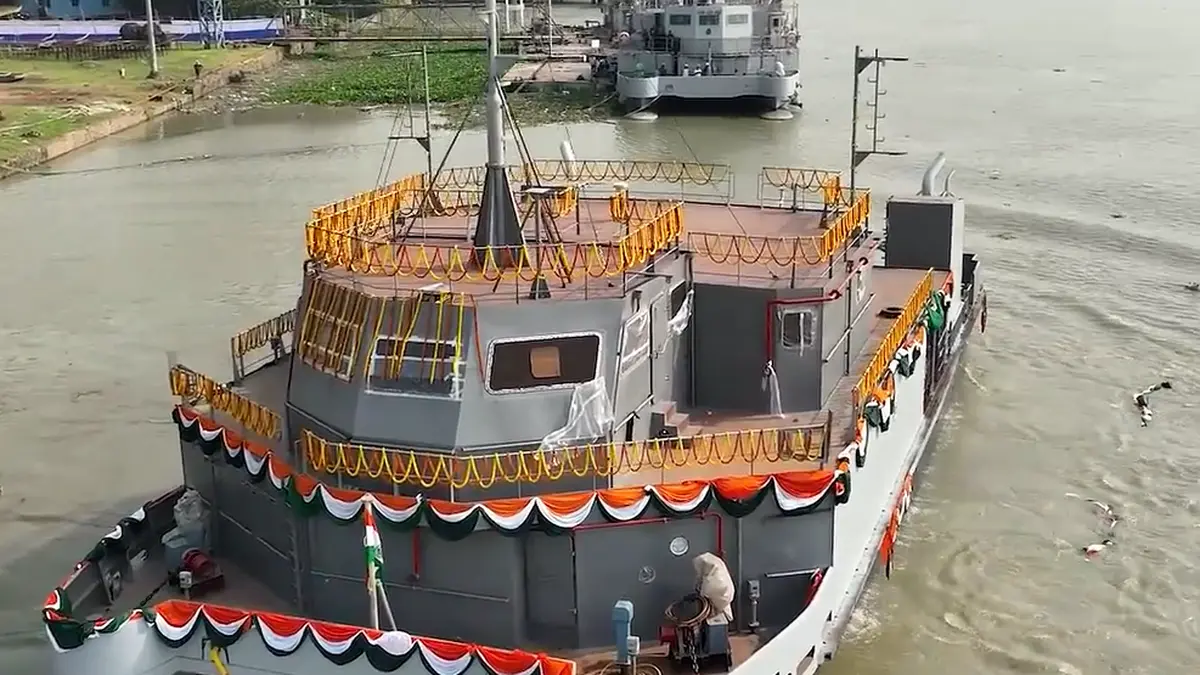
Titagarh Naval Systems Ltd, a subsidiary of Titagarh Rail Systems Ltd, reached a production milestone this week with the launch of its fourth Diving Support Craft. The vessel, designated DSC A23, represents the penultimate unit in a five-vessel contract for the Indian Navy. This launch signals a transition from the initial design and prototyping phases toward the final delivery cycle of the project.
Industrial Execution Under Make in India
The project operates under the government-led Make in India initiative, which prioritizes domestic manufacturing for defense procurement. By managing the construction of these specialized diving craft, Titagarh is establishing a track record in maritime engineering that complements its traditional rail infrastructure business. The ability to maintain a steady cadence in naval production is a critical metric for the company as it seeks to diversify its revenue streams beyond rolling stock.
These vessels are designed for specialized underwater operations, including search and rescue, maintenance, and salvage support. The completion of the fourth craft indicates that the shipyard has successfully navigated the technical requirements of the contract. The focus now shifts to the final vessel in the series, which serves as the concluding performance marker for this specific defense mandate.
Sectoral Read-Through for Defense Manufacturing
The broader defense manufacturing sector in India is currently defined by a shift toward local capacity expansion. For companies like Titagarh, the transition from rail to naval systems requires significant capital investment in shipyard infrastructure and specialized labor. The successful launch of the fourth DSC suggests that the company has achieved the necessary operational scale to meet the technical specifications required by the Indian Navy.
Investors monitoring this sector often look for consistent delivery timelines as a proxy for operational efficiency. Delays in defense contracts are common due to the complexity of naval architecture and supply chain constraints for specialized components. Titagarh’s progress on this contract provides a tangible data point regarding its ability to manage multi-year government projects without significant disruption.
AlphaScala Data and Next Milestones
While Titagarh Rail Systems operates in a distinct industrial niche, broader market interest in diversified manufacturing remains elevated. For context on broader industrial performance, users can review our stock market analysis to understand how domestic manufacturing themes are currently reflected in equity valuations.
Regarding Agilent Technologies, Inc. (A), which maintains an Alpha Score of 55/100 in the Healthcare sector, the focus remains on operational efficiency across different industrial segments. You can track further updates on the A stock page.
The next concrete marker for Titagarh Naval Systems is the sea trial phase for the fourth craft and the subsequent keel laying or final assembly progress for the fifth and final vessel. Successful completion of these trials will be the primary indicator of project closure and will likely influence the company's ability to secure follow-on contracts in the naval support vessel category.