Federal Reserve officials left interest rates unchanged at 3.5% to 3.75%. The 9-3 vote masked a fracture: three policymakers dissented in favor of a quarter-point increase.
Dallas Fed President Lorie Logan voted for a rate rise. Cleveland’s Beth Hammack joined her. Minneapolis Fed chief Neel Kashkari also dissented. The last time three officials dissented for a hike was 2023.
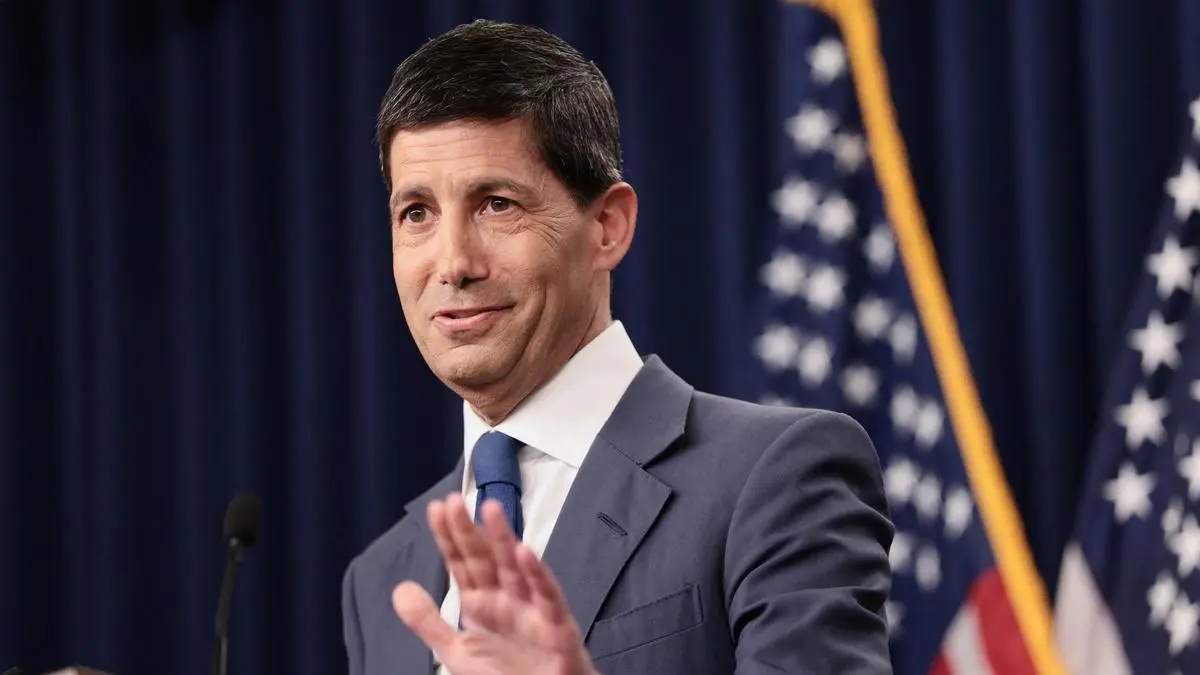
Chairman Kevin Warsh, in his second meeting since taking office in May, used the post-meeting press conference to reinforce his inflation-fighting stance. “There is no soft inflation target,” he said. “Not on this committee’s watch.” He stopped short of committing to a rate increase. If inflation stays elevated through the forecast period, “interest rates could well be part of that solution,” he told reporters.
Warsh said market rates had already moved higher, partly because the Fed stepped back from offering forward guidance. “Markets have made decisions because we step back in part from trying to influence those,” he said.
Treasury yields rose after the statement. The two-year note yield, sensitive to near-term policy expectations, jumped 7 basis points to 4.15%. The 10-year yield edged up to 4.42%. Futures pricing implied roughly a 55% chance of a quarter-point hike by the November meeting, up from about 40% before the decision, data show. “The three dissents shifted the narrative from ‘on hold indefinitely’ to ‘preparing for a possible increase,’” said a trader who asked not to be named.
The Bloomberg Dollar Spot Index rose 0.4%. The euro fell to $1.0780. The yen weakened past 158 per dollar, testing levels that prompted Japanese intervention last month.
Equity markets split. The S&P 500 fell 0.6% as higher rate expectations weighed on growth stocks. The Nasdaq 100 dropped 0.9%. The Dow Jones Industrial Average eked out a small gain, helped by energy stocks as oil remained elevated.
Brent crude traded near $90 a barrel, down from its July peak above $100 after the re-escalation of the Iran war. Supply concerns lingered. Gold fell 0.8% to $2,345 an ounce, pressured by higher real yields and a stronger dollar. Traders said the safe-haven bid from the war was offset by the hawkish Fed signal.
The Fed’s preferred inflation gauge, the personal consumption expenditures price index, stood at 3.4% in the year through May. June data arrives Thursday. Consumer prices in June fell month-over-month for the first time in six years, taking some pressure off the committee. Producer prices also rose less than expected. Still, the re-escalation of the Iran war pushed oil prices higher in July, adding to fears that inflation could stay elevated. The labour market showed modest but steady job growth.
Committee members repeated that economic activity is expanding at a “solid pace” and inflation remains “elevated.” The only change from June’s statement was the voting breakdown. “Three dissents for a hike is a hawkish signal that the median voter is getting uncomfortable,” said Omair Sharif, founder of Inflation Insights. “The bar for a hike just got lower.”
More than 30 million public comments have been posted on the Fed’s website in recent months, most arguing against further tightening. Warsh did not address them directly.
The next FOMC meeting is Sept. 15-16. Thursday’s PCE data will give officials their first look at June inflation.