Three Fed Dissenters Push 30-Year Yield to 5.20%, Dollar Slips
Fed held rates at 3.5%-3.75% but three regional presidents dissented, wanting a hike. The 30-year yield hit 5.20%, a level not seen since 2007. The dollar fell 0.5% and gold rose 1%.
Alpha Score of 49 reflects weak overall profile with strong momentum, poor value, moderate quality. Based on 3 of 4 signals – score is capped at 90 until remaining data ingests.
The Federal Reserve held its benchmark rate steady at 3.5% to 3.75% on Wednesday. The decision was anything but routine.
Three regional Fed presidents dissented in favor of a quarter-point hike. Cleveland Fed President Beth Hammack and Dallas Fed President Lorie Logan both voted for a rate increase. Minneapolis Fed President Neel Kashkari, seen as a potential swing vote toward a more hawkish committee, joined them. It was the first time since 2016 that three officials broke from a hold decision in the same direction.
Janney strategist Guy LeBas called it a “very dissent-y hold.” Renaissance Macro said the fact that all three dissents came from regional presidents was notable. “You either think the data saves them or you think they hike in September,” the firm wrote. “They can’t keep doing nothing at this point.”
The long end of the Treasury curve took the dissent as a signal. The 30-year yield hit 5.20%, an intraday level not seen since 2007. The move pushed the dollar lower. The greenback fell roughly 0.5% against a basket of major currencies. The euro rose above $1.08 as the dollar slipped, with traders recalibrating rate expectations. For broader context on the dollar's reaction, see our forex market analysis.
Gold gained about 1%, benefiting from the weaker dollar and the yield spike that signaled rising inflation fears. Economist Peter Schiff said the bond market “is giving a thumbs-down to the Fed's decision to choose inflation.” He added that investors are selling Treasuries and buying gold.
Equities moved decisively lower after the press conference. The S&P 500, Dow Jones Industrial Average and Nasdaq Composite all fell, with the selling concentrated in the final hour of trading. The move reversed an initial rally that followed the rate decision itself.
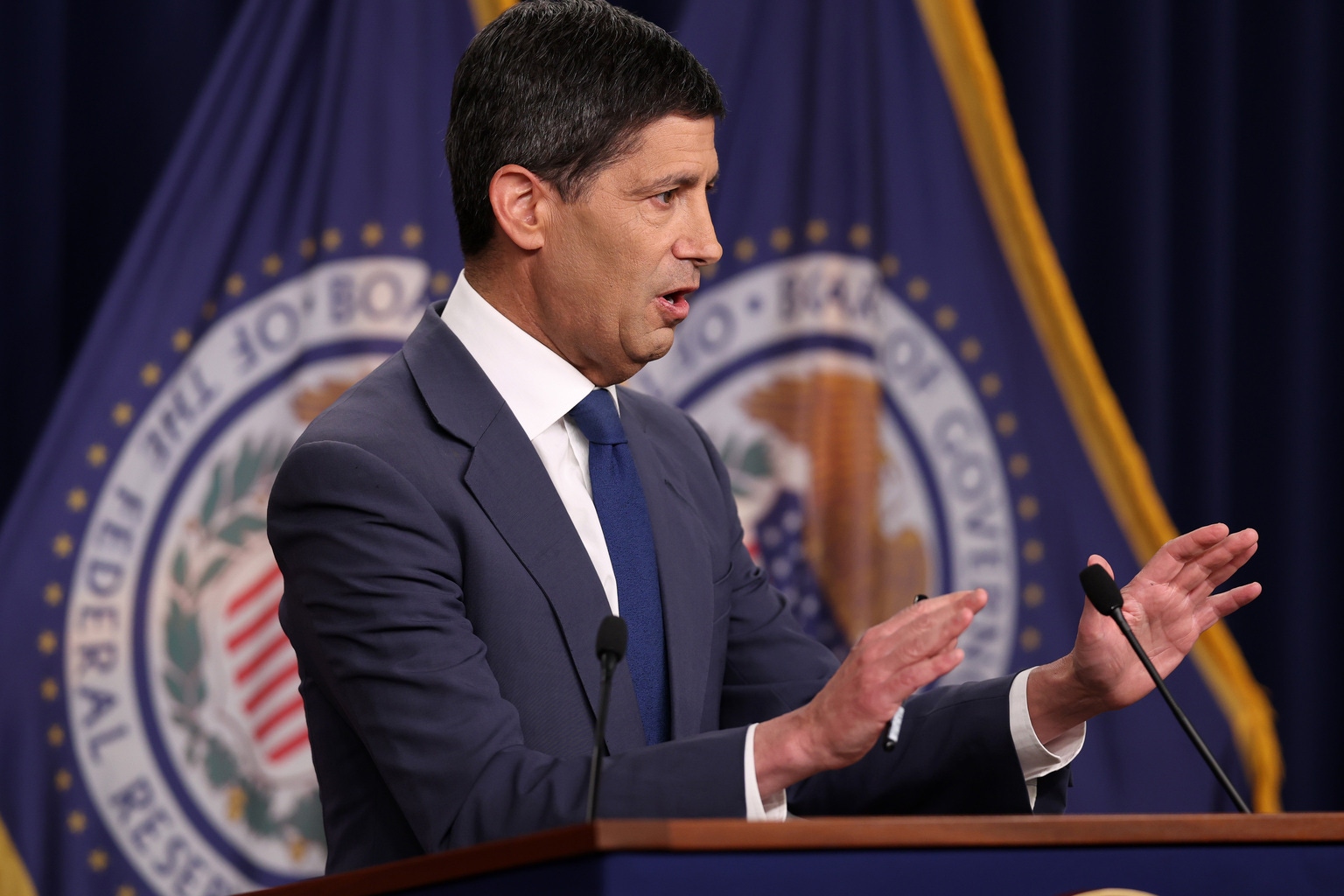
Chairman Kevin Warsh, in his press conference, stressed the Fed’s commitment to the 2% inflation target. He praised the market’s reaction to reduced forward guidance, saying participants are “more than ever” responding to real-time events and are “learning to play the ball, not the referee.” That comment suggested Warsh sees tighter financial conditions coming through market expectations rather than a higher fed funds rate – a path that could advance his inflation objective without provoking political pushback.
Economist Dario Perkins was blunt in response: “We have replaced forward guidance with spin.”
The committee made only minimal changes to its statement from the previous meeting. Economist Claudia Sahm noted: “No rationale for the hold, no hint at what a hike would take. Not one word of the data discussion changed after six weeks of inflation and jobs surprises. None, zip, nada. Never seen that.”
Economist Joseph Brusuelas said the Fed is moving “along lines that will continue to inject uncertainty and volatility into financial markets.” He added: “Parsimony, uncertainty and volatility are the point.”
Fed funds futures now split roughly evenly between a September hike and another hold. Swaps no longer fully price in a quarter-point increase at the next meeting. The path forward depends on the next round of inflation and employment data, with the July consumer price index and August jobs report due before the September meeting.
The 30-year yield closed near the session high, a level that last appeared in 2007.
Drafted by a large language model from the source reporting linked above, then screened by automated publishing checks. It is not read by a journalist before publication. Some articles cite our Alpha Score. Verify prices and figures against the original source. Educational coverage, not personalized advice.