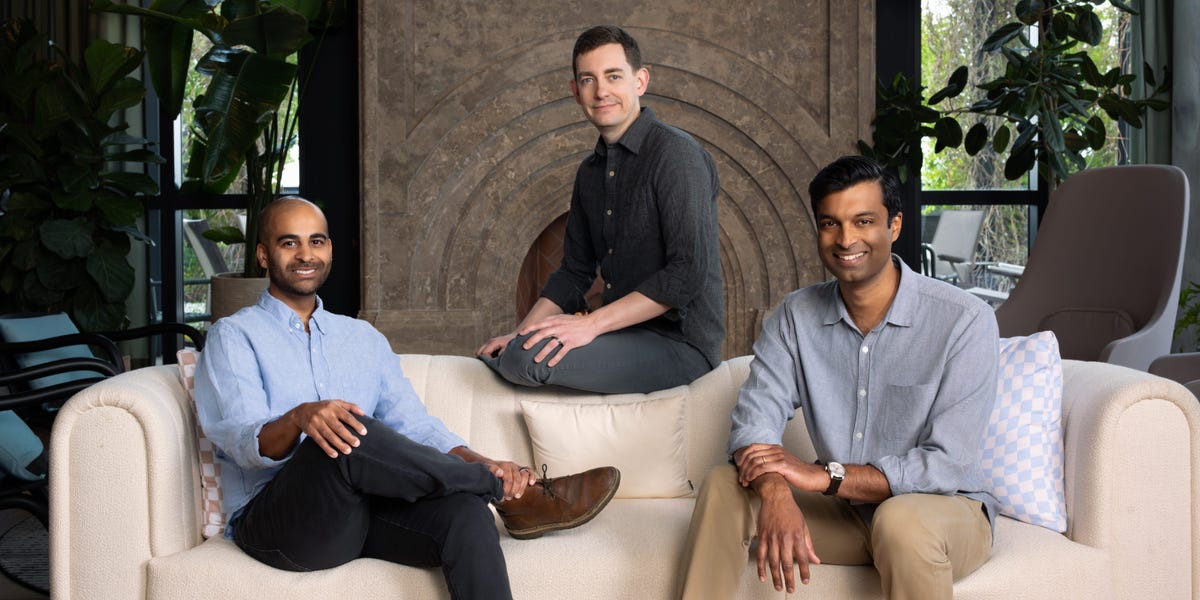
Three founders with résumés spanning Google, Palantir and Harris Poll skipped venture capital and bootstrapped their startup. Within eight months of closing their first paid contract, the company hit $1 million in annualized revenue, they said.
The company builds AI tools for enterprise marketing teams. The core product automates customer segmentation and campaign personalization without requiring a data engineering team, the founders said. The first customer – a midsize retailer – signed on in month two after a cold email led to a demo. By month eight the company had eight paying clients, all in retail and consumer goods.
The founders attribute the fast ramp to two decisions. First, they kept headcount at seven people by automating tasks that a traditional startup might staff for: sales prospecting, customer support triage, and some parts of the product roadmap. Second, they refused venture capital, which forced them to price the product for cash flow positive from month one, one co-founder said.
"We priced the product at $4,000 a month per customer before we knew whether anyone would pay it," he said. "That discipline meant every feature had to justify itself against a real customer request."
The company's gross margin runs at about 78%, in line with software benchmarks but higher than the co-founders expected at launch, they said. Customer acquisition cost sits at roughly $6,000, meaning the average customer pays back acquisition costs in about six weeks.
The founders plan to raise outside capital in 2027, once they reach $5 million in annualized revenue and can negotiate from a position of cash flow profitability, they said. Until then the plan is to keep the team lean, the pricing high, and the product tied to what current customers are asking for.
"If we had raised $5 million on day one, we would have hired faster and priced lower," one founder said. "The unit economics would look worse and the product would be more generic."