Crypto▼ Bearish
Why 10 Crypto Unicorns Lost 90% of Their Market Valuation
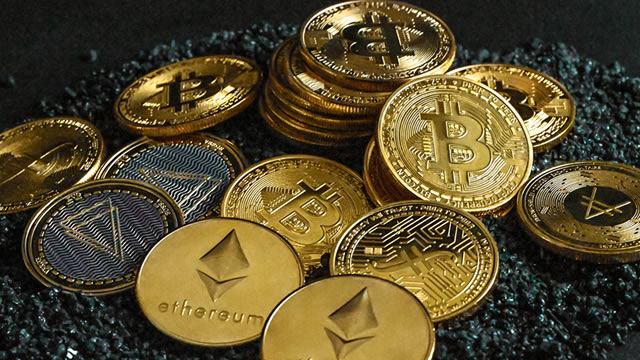
Private valuations collapse as crypto projects see market caps drop to $294 million. Investors must now prioritize utility over speculative funding rounds.
Continue with
The Great Devaluation: When Private Hype Meets Public Reality
In the volatile landscape of digital assets, the distance between private valuation and public market reality has never been more pronounced. New data from analytics firm CryptoRank highlights a sobering trend for venture-backed projects: ten crypto initiatives that once commanded billion-dollar private valuations have seen their market capitalizations evaporate, with current valuations languishing in a range between $7 million and $294 million.
For institutional investors and retail traders alike, this 90% drawdown serves as an aggressive reminder of the pitfalls inherent in private market premiums. Projects that were once heralded as the next generation of blockchain infrastructure are now trading at a fraction of their initial capital-raise price points, raising critical questions about the sustainability of early-stage valuation models in the crypto ecosystem.
Anatomy of a Market Correction
The phenomenon of 'unicorn' status in the crypto space is often driven by massive capital injections from venture capital firms during the pre-token-launch phase. These private rounds, often conducted in the heat of a bull market, establish high benchmarks for valuation that are rarely stress-tested by public market liquidity.
When these tokens finally list on decentralized or centralized exchanges, they are often met with significant selling pressure—not only from profit-taking early investors but also from the reality of diluted tokenomics and the challenges of achieving real-world product-market fit. The current data indicates that the correction has been systemic, hitting projects regardless of their initial sector focus, with market caps settling at levels that reflect a near-total wipeout of the original investor enthusiasm.