The Illusion of Strategy
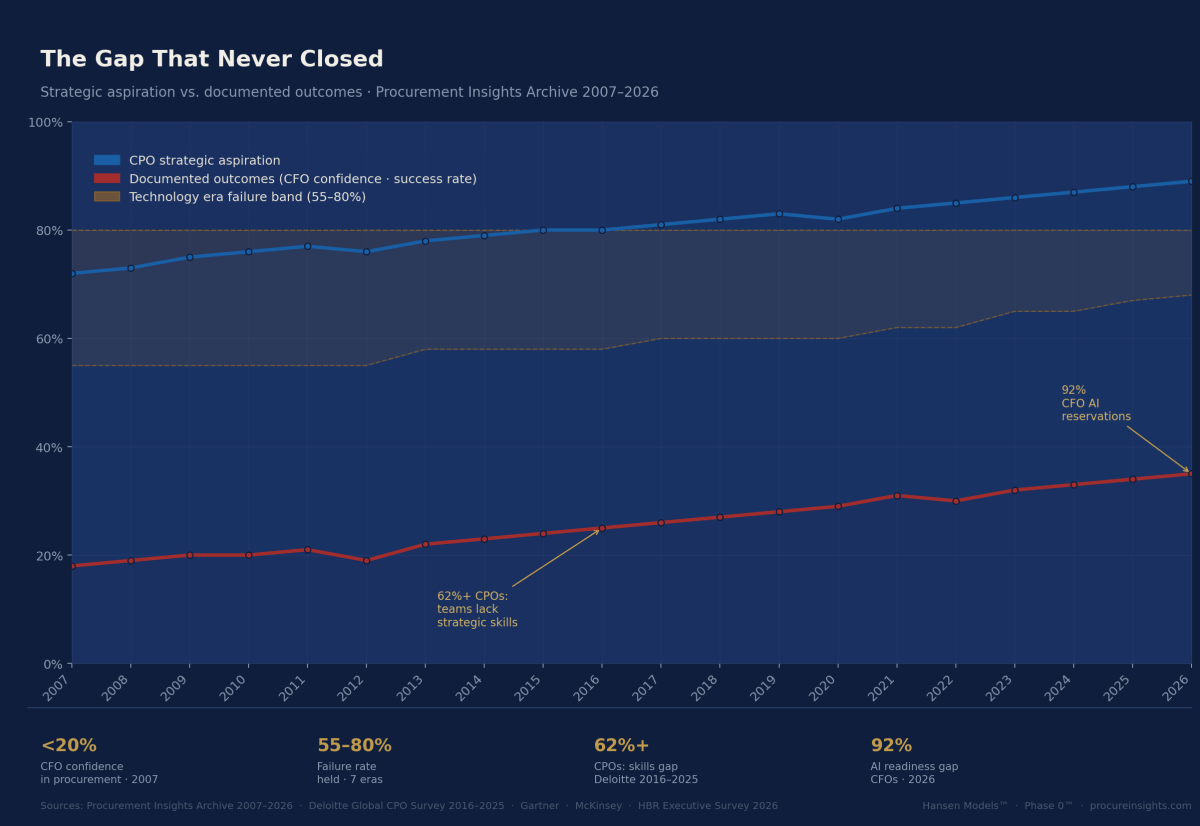
In the modern C-suite, the ability to articulate a vision has become an art form. Executives spend countless hours refining mission statements, crafting investor presentations, and mastering the vernacular of 'synergy' and 'disruption.' Yet, beneath this polished veneer of strategic communication lies a widening chasm between intention and execution. For shareholders and analysts, the distinction between sounding strategic and being strategic is no longer a matter of corporate culture—it is a primary driver of failed initiatives and eroded market value.
The Cost of Performative Leadership
The failure to bridge the gap between rhetoric and reality has cost organizations more in lost capital and stagnant growth than any technological deficiency. While digital transformation initiatives are often blamed for project failures, the root cause is frequently a disconnect in leadership prioritization. When a strategy is merely 'sounded'—delivered through high-level mandates rather than deep, operational integration—it lacks the structural scaffolding required to survive the friction of actual implementation.
Market history is littered with firms that mastered the narrative of innovation while lacking the operational discipline to execute. Investors often mistake a compelling quarterly earnings call—filled with buzzwords and grand projections—for a robust strategic plan. However, true strategic capability is found in the boring, granular work of resource allocation, alignment of incentives, and the rigorous testing of assumptions against market data.
Why Traders Should Care
For the professional trader, the distinction is a critical signal. A firm that is merely 'sounding' strategic is a firm waiting to miss its guidance. When management focuses on the aesthetic of strategy rather than its substance, they are often masking an inability to navigate headwinds or an unwillingness to make the difficult trade-offs necessary for long-term viability.
Identifying the difference requires looking beyond the slide deck. Smart capital looks at:
- Capital Allocation Efficiency: Does the company’s spending reflect its stated goals, or is it chasing vanity metrics?
- Operational Continuity: Are departmental incentives aligned with the overarching strategic goal, or are they working in silos?
- Feedback Loops: Does the leadership team demonstrate an ability to pivot based on data, or do they double down on failing initiatives to maintain a consistent narrative?
Moving Beyond the Buzzwords
Being strategic is inherently uncomfortable. It requires the courage to say 'no' to profitable but peripheral ventures, the persistence to manage complex transitions, and the humility to acknowledge when a narrative is not supported by the balance sheet. Sounding strategic is easy; it requires only a command of language. Being strategic is hard; it requires a command of the business.
As we look toward the next fiscal cycle, investors should be increasingly skeptical of 'visionary' rhetoric that lacks a clear operational roadmap. The companies that will outperform are not necessarily those with the most compelling narrative, but those that have successfully institutionalized the discipline required to execute on a coherent, data-backed strategy. The difference between these two approaches is not just a management nuance—it is the ultimate determinant of long-term alpha.