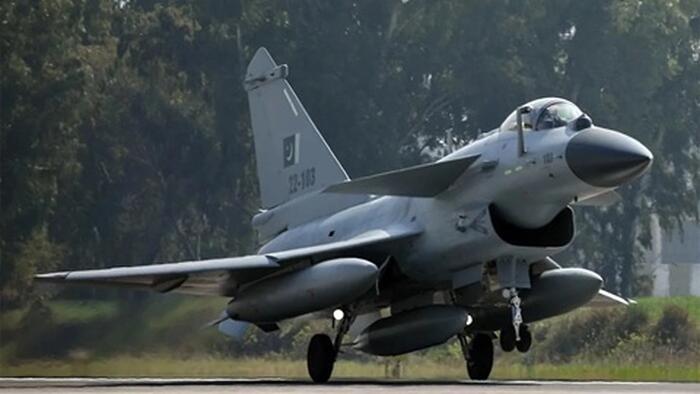
A Strategic Shift in Middle Eastern Security
The geopolitical architecture of the Middle East is undergoing a subtle yet profound recalibration as Pakistani warplanes have officially touched down on Saudi Arabian soil. This deployment marks the operational commencement of a long-standing mutual defense pact between Islamabad and Riyadh, signaling a deepening security integration that carries significant weight for regional stability and global energy markets.
The arrival of the Pakistani contingent is not merely a routine training exercise; it represents the activation of a strategic security architecture that has been quietly solidified over recent years. By integrating Pakistani air assets into the Saudi defense theater, Riyadh is signaling a move toward diversifying its strategic partnerships, moving beyond a sole reliance on Western security umbrellas.
Historical Context and Strategic Alignment
The relationship between Pakistan and Saudi Arabia has historically been defined by deep-seated religious, economic, and military ties. However, the formalization of a mutual defense pact—and the subsequent movement of hardware—highlights a transition from traditional diplomatic relations to an active, interoperable security posture. For Islamabad, the move serves as a vital economic lifeline, as Saudi Arabia remains a primary source of financial support and energy imports. For Riyadh, the presence of the Pakistani Air Force provides a seasoned, battle-tested ally in a volatile neighborhood, offering a counterweight to regional rivals.
Historically, Pakistan has maintained a 'strategic depth' doctrine that prioritizes regional alliances to secure its western and eastern frontiers. By extending this cooperation to the Arabian Peninsula, Islamabad is projecting its influence further afield, reinforcing its position as a key regional power broker.
Market Implications: Why Traders Should Watch
For investors and traders, the movement of military assets into the heart of the world’s most critical energy-producing region is a signal of heightened tension and shifting alliances. While the immediate market reaction may be muted, the long-term implications for the energy sector are substantial:
- Energy Security Premiums: Any formalization of defensive pacts in the Middle East inherently impacts the risk profile of regional oil infrastructure. Traders should monitor how this affects the 'geopolitical risk premium' embedded in crude oil futures.
- Regional Stability: An bolstered Saudi defensive capability acts as a deterrent against regional actors, potentially stabilizing the supply chain. Conversely, it could invite counter-moves from regional adversaries, increasing volatility in energy markets.
- Currency and Bond Markets: Saudi Arabia’s fiscal health is inextricably linked to regional stability. Increased defense spending and military entanglements often precede shifts in sovereign credit risk, which can influence bond yields and currency sentiment in the Gulf Cooperation Council (GCC) countries.
The Path Ahead
The deployment of Pakistani warplanes into Saudi Arabia serves as a reminder that the Middle East is shifting toward a more localized security model. As foreign powers recalibrate their own footprints in the region, the emergence of a 'Pakistan-Saudi' security nexus will be a critical variable for analysts to track.
Investors should look for follow-up announcements regarding the duration of this deployment, the scope of joint exercises, and any secondary agreements regarding technological transfer or intelligence sharing. As these military ties deepen, the ripple effects will inevitably be felt in the broader macroeconomic landscape, particularly as they relate to the delicate balance of power in the Persian Gulf.