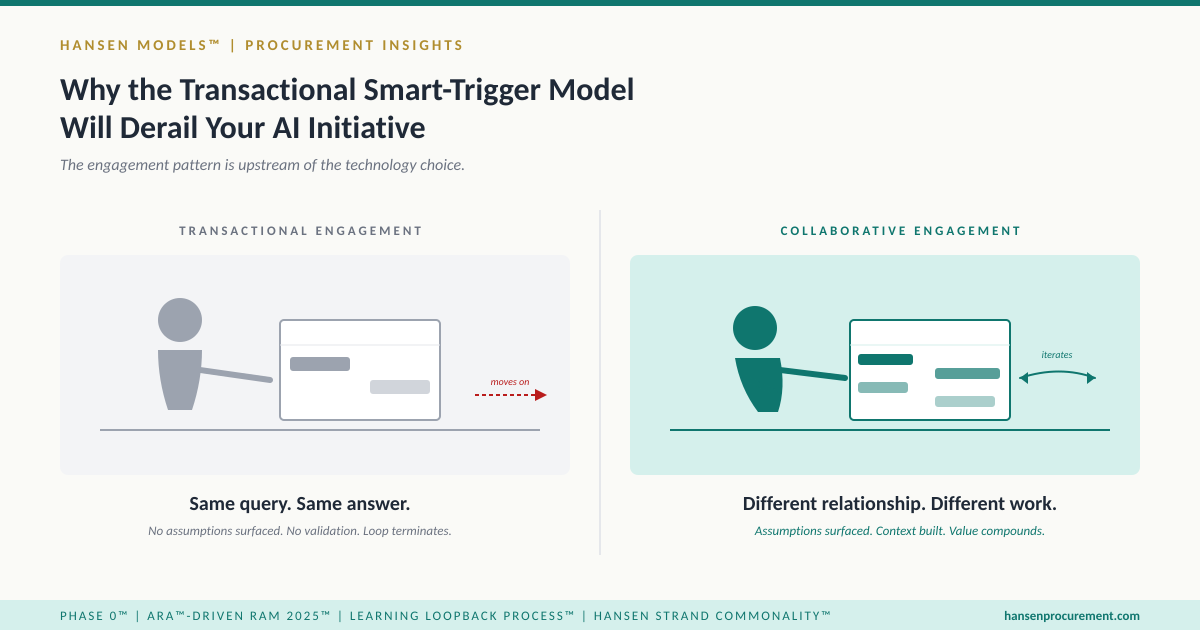
The emergence of ARA-driven RAM 2025 marks a departure from traditional software deployment models, signaling a transition toward what is being termed Implementation Physics. This shift suggests that the transactional smart-trigger model, which has long governed how productivity suites like MS Office function, may no longer be sufficient for the complex requirements of modern artificial intelligence initiatives. By moving away from static triggers, organizations are attempting to integrate AI directly into the foundational architecture of their data processing layers.
Rethinking the Transactional Trigger Model
The reliance on transactional smart-triggers has historically allowed firms to automate routine tasks with high predictability. However, as AI models grow in complexity, these triggers often create bottlenecks that prevent real-time adaptation. The introduction of ARA-driven RAM 2025 aims to replace these discrete event-based actions with a continuous, physics-based flow of data processing. This change forces a re-evaluation of how AI initiatives are scoped, as the infrastructure now demands a more fluid approach to resource allocation and decision-making.
Companies that remain tethered to legacy trigger-based systems risk falling behind in operational efficiency. The transition requires a move from simple input-output automation to a model where the system itself understands the state of the data environment. This is not merely an upgrade in software capability but a fundamental change in how hardware and software interact to produce actionable intelligence.
Sector Read-Through and Infrastructure Demands
Financial institutions and large-scale data operators are currently assessing the impact of this shift on their existing technology stacks. As firms like MS continue to refine their digital offerings, the pressure to adopt more sophisticated, physics-driven frameworks increases. The AlphaScala data for MS currently shows an Alpha Score of 59/100, reflecting a moderate outlook within the Financials sector as the firm navigates these broader industry transitions.
The integration of such models necessitates a higher degree of technical oversight. Organizations must now account for the following factors when planning their AI deployments:
- The shift from event-driven architecture to state-based processing.
- The requirement for specialized hardware that supports continuous data flow.
- The potential for increased latency in systems that fail to transition away from legacy triggers.
The Path to Implementation
Moving forward, the primary marker for success will be the ability of firms to scale their AI initiatives without reverting to the limitations of transactional triggers. The next phase of this evolution involves the standardization of these physics-based models across broader enterprise platforms. As developers move toward these more integrated solutions, the focus will shift from the software interface to the underlying efficiency of the data architecture.
Investors and technical leads should monitor the upcoming release of performance benchmarks for systems utilizing ARA-driven RAM 2025. These metrics will provide the first concrete evidence of whether this transition effectively reduces the friction inherent in current AI implementations. The ability to maintain high-speed processing while managing the complexity of these new models will define the next cycle of stock market analysis for the technology and financial sectors.