Back to Markets
Macro● Neutral

The Physiology of Deep Space: Artemis II Crew Recovery Highlights Physical Toll of Lunar Missions

April 11, 2026 at 09:30 PMBy AlphaScalaSource: livemint.com
The Physiology of Deep Space: Artemis II Crew Recovery Highlights Physical Toll of Lunar Missions

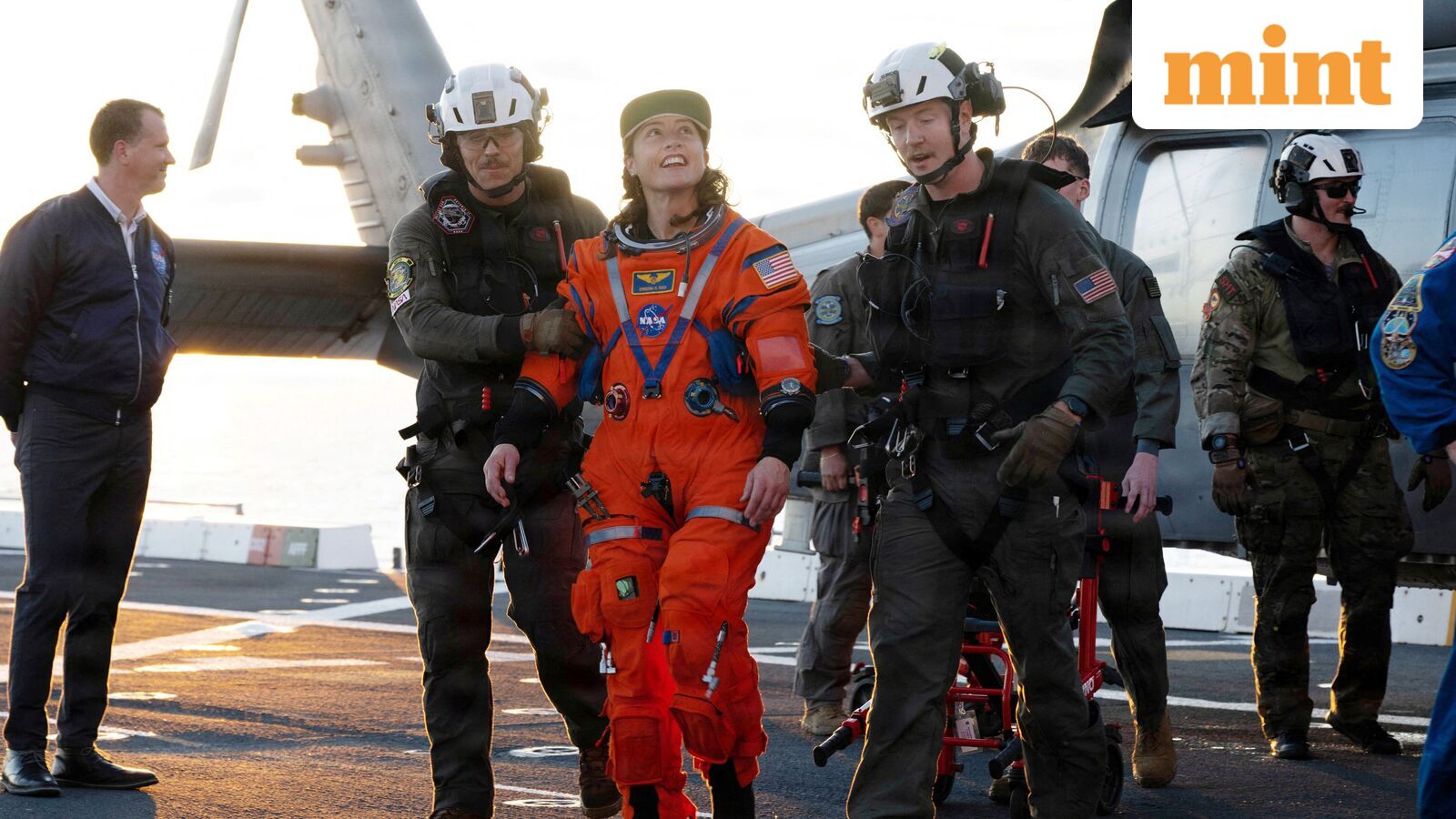
The Artemis II mission's homecoming highlights the significant physiological challenges of deep-space travel, as astronauts required physical assistance to walk upon returning to Earth's gravity.

The Cost of Returning to Earth

Following the successful conclusion of the historic Artemis II mission, a stark reality of deep-space exploration has come into focus. Upon their return to Earth, members of the Artemis II crew were observed requiring physical support to walk, offering a visceral reminder of the physiological degradation that occurs when the human body is removed from the gravitational influence of our home planet. While the mission was a triumph for NASA’s lunar exploration program, the visual of astronauts struggling to regain their terrestrial footing has reignited technical discussions regarding human endurance in long-duration spaceflight.

Understanding the Physiological Shift

Space travel, even on a trajectory that circumvents the Moon rather than landing on its surface, exacts a heavy toll on the human musculoskeletal and vestibular systems. The Artemis II mission, which sent a crew of four on a multi-day journey into deep space, exposed these individuals to prolonged periods of microgravity. During this time, the body undergoes rapid adaptation: muscles atrophy without the constant resistance of gravity, and bone density begins to decline.

Perhaps more significantly, the vestibular system—which governs balance and spatial orientation—undergoes a recalibration. When astronauts re-enter Earth’s 1G environment, their inner ears and neurological pathways struggle to process the sudden return of gravitational forces. This manifests as the instability observed in the Artemis II crew, a common but nonetheless serious hurdle for space agencies aiming to move beyond Low Earth Orbit (LEO) and establish a permanent human presence on the lunar surface.

Why This Matters for the Space Economy

For investors and analysts watching the burgeoning commercial space sector, the physical toll on astronauts is more than just a medical curiosity—it is a critical operational constraint. As private firms and national agencies alike look toward the long-term viability of lunar bases and potential Martian expeditions, the medical support required for "Earth-return" protocols becomes a significant variable in mission planning.

Historically, the transition from the Apollo era to the International Space Station (ISS) era taught us that recovery times can be managed, but deep-space missions introduce new variables. Unlike ISS astronauts who return from a gravity-free environment after months, Artemis crews face the cumulative stress of deep-space radiation and the unique psychological and physical demands of lunar transit. If recovery times are extended, it increases the logistical burden of recovery operations and necessitates deeper investments in high-tech rehabilitation and medical monitoring hardware.

Looking Ahead: The Future of Lunar Logistics

NASA’s Artemis program remains the cornerstone of the United States' strategy to return humans to the Moon and eventually facilitate missions to Mars. The data gathered from the Artemis II crew’s recovery will be instrumental in designing the next generation of countermeasures, ranging from advanced onboard exercise equipment to pharmacological interventions designed to mitigate bone and muscle loss.

As the industry matures, the focus will shift from simply 'getting there' to 'sustaining there.' For traders and stakeholders in the aerospace and defense sectors, the ability of companies to provide solutions for human health in extreme environments will likely become a key differentiator. Watch for upcoming NASA briefings on crew health data, as these findings will influence the design specifications for future crewed vehicles and the long-term roadmap for the Artemis III landing mission. The physical struggle of the Artemis II crew is not a sign of failure, but a necessary data point in the ongoing evolution of human capacity in the cosmos.