Macro● Neutral
Appeals Court Forces Review of White House Ballroom Injunction
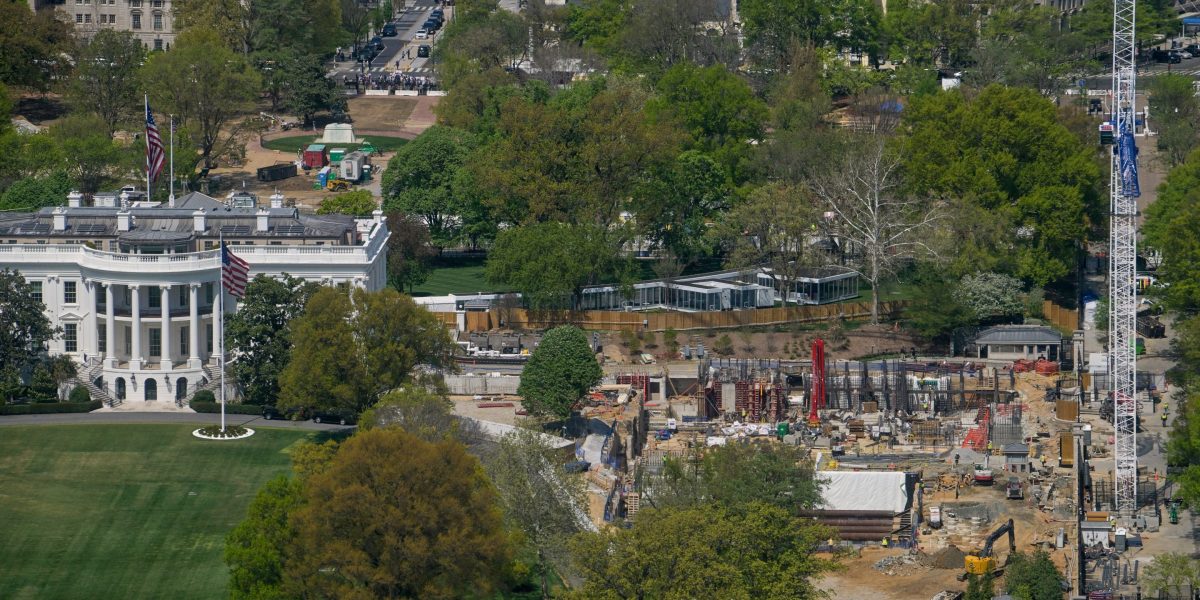
The D.C. Circuit demands a security assessment of construction delays, signaling potential shifts in how judicial oversight impacts federal infrastructure.
Continue with
Judicial Oversight Meets Executive Security
The U.S. Court of Appeals for the D.C. Circuit has delivered a pivotal directive to U.S. District Judge Richard Leon, mandating a deeper examination of how a standing injunction against construction at the White House ballroom intersects with vital national security interests. The appellate panel’s ruling underscores a rare but significant tension between judicial intervention and the executive branch’s authority to manage the safety and security protocols of the presidential residence.
At the heart of the dispute is an injunction issued by Judge Leon that effectively halted planned renovations and structural modifications to the White House ballroom. While the legal battle initially focused on administrative procedures and construction oversight, the appellate court has now shifted the focus, requiring the lower court to explicitly quantify the extent to which this legal blockade hampers the administration’s security posture.
The Balancing Act: Law vs. Security
The D.C. Circuit panel’s decision is a procedural victory for the administration, which has long argued that the judiciary must weigh the tangible impact of construction delays on the physical security of the White House. By instructing Judge Leon to clarify the scope of his injunction, the appeals court is forcing a transparent analysis of the "national security implications" inherent in the project.
For legal observers, this move signals a high-level recognition that while judicial review is a constitutional necessity, it cannot operate in a vacuum when it concerns the operational integrity of the executive branch. The lower court is now tasked with providing a more comprehensive legal rationale that accounts for the specific safety concerns raised by federal officials, potentially setting a precedent for how future infrastructure projects on sensitive government properties are handled in the courtroom.