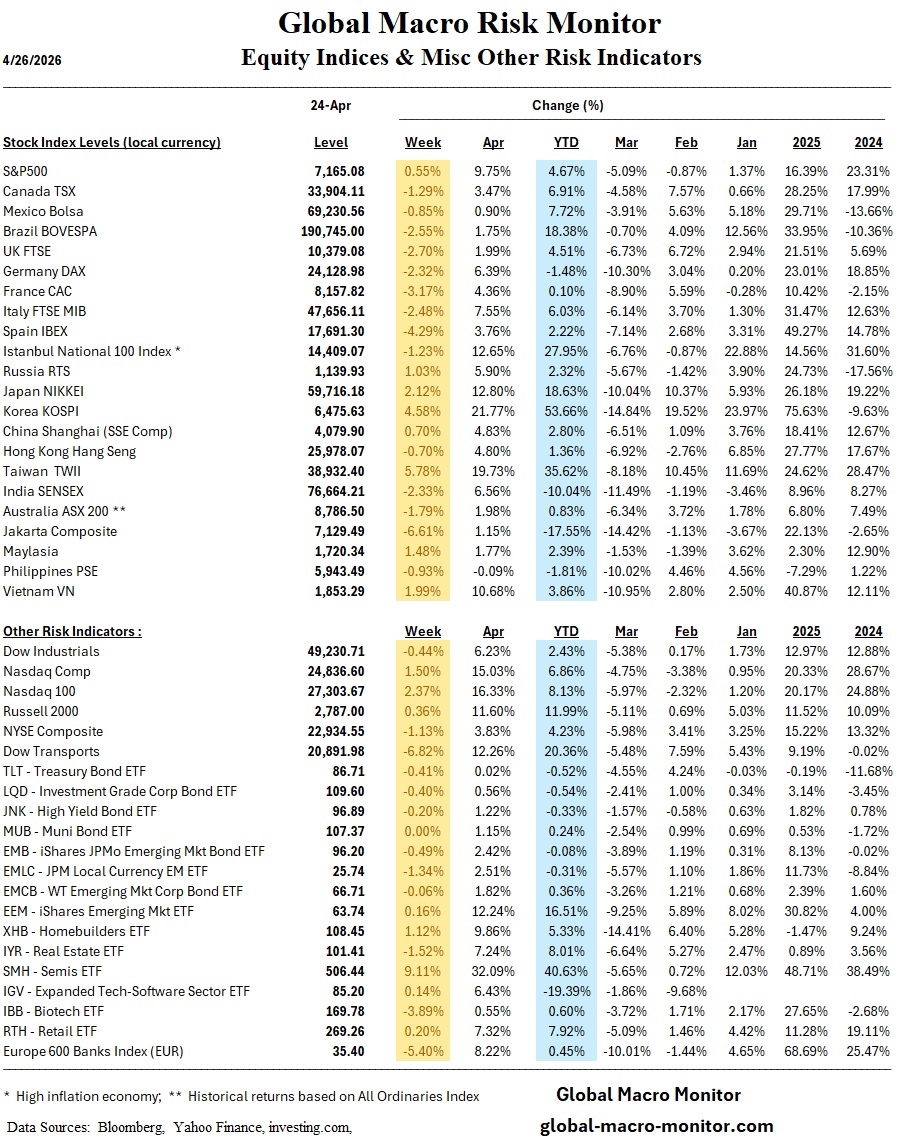
The traditional inverse correlation between energy costs and transportation sector performance has decoupled in 2026. Despite a 70% year-to-date surge in WTI crude prices, the Dow Jones Transportation Average has maintained a positive trajectory. This divergence suggests that market participants are prioritizing volume-driven revenue growth over the immediate margin compression typically associated with elevated fuel expenses.
Operational Resilience and Pricing Power
The current disconnect stems from the ability of logistics firms to pass through fuel surcharges to end consumers with minimal impact on demand. Unlike previous cycles where higher pump prices triggered immediate volume contraction, the current environment features inelastic demand for freight and travel services. Companies are leveraging automated fuel-hedging programs and dynamic pricing models to insulate their bottom lines from the volatility of the spot market.
This shift is particularly evident in the way mid-tier logistics providers are managing their operational overhead. By shifting the burden of energy inflation to the shipper, these firms have effectively converted a variable cost risk into a pass-through mechanism. This structural change allows for a decoupling of stock performance from the underlying commodity price, provided that the broader economic activity remains robust enough to absorb the additional costs.
Inventory Management and Supply Chain Velocity
Inventory turnover rates have become a more critical indicator for transport health than fuel price benchmarks. As supply chains remain lean, the velocity of goods movement has increased, allowing transport companies to maximize asset utilization. High utilization rates offset the higher cost per mile, creating a buffer that protects net margins even as crude prices climb.
- Fuel surcharges are currently being adjusted on a weekly basis to track crude volatility.
- Capacity constraints in the trucking sector are forcing shippers to accept higher rates regardless of fuel costs.
- Asset-light logistics models are outperforming traditional asset-heavy carriers in the current high-cost environment.
For investors monitoring the materials sector, the impact of these energy costs is also visible in the performance of industrial firms. For instance, DOW stock page reflects the broader challenges of managing input costs in a high-energy environment, even as transport sectors show unexpected resilience. While the transportation sector currently maintains a unique insulation from energy shocks, the sustainability of this trend depends on the continued willingness of consumers and businesses to absorb higher logistics fees.
AlphaScala Market Context
Our internal data shows that consumer-facing sectors are showing varying degrees of sensitivity to these energy-driven logistics costs. While COST stock page continues to manage supply chain efficiency through its own distribution network, other retail-linked entities are facing more direct pressure. The next concrete marker for this trend will be the upcoming quarterly earnings reports, where management teams will be required to disclose the extent of their fuel-hedging effectiveness and the sustainability of their current pricing power. If volume growth begins to stall, the historical correlation between crude and transport stocks is likely to reassert itself with significant force.
For further analysis on how energy volatility impacts broader market sectors, see our commodities analysis and our crude oil profile.