Crypto● Neutral
Institutional Infrastructure vs. BTC, ETH, and SOL Volatility
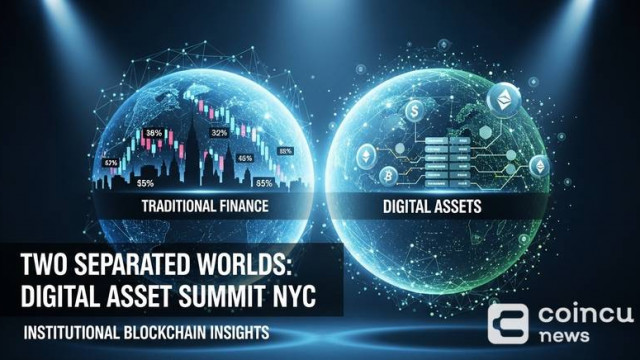
DAS NYC reveals a growing divide between institutional policy-building and retail-driven on-chain volatility. Watch regulatory shifts for capital catalysts.
Continue with
The Institutional Divide
At the recent Digital Asset Summit (DAS) in New York, the atmosphere was a stark departure from the frenetic, speculative energy often associated with the broader cryptocurrency ecosystem. While retail markets are frequently driven by sentiment, meme-coin cycles, and rapid-fire liquidity shifts, the conversations within the halls of DAS occupied a fundamentally different register. The event underscored a growing bifurcation in the digital asset space: one world defined by institutional-grade regulatory compliance, asset allocation strategies, and policy architecture, and another characterized by the raw, often chaotic, on-chain activity that drives daily market volatility.
For professional traders and institutional allocators, the summit served as a reminder that the institutional adoption narrative is moving at a pace distinct from the price action of major tokens. The gap between the discourse on stage—focused on institutional infrastructure—and the reality of on-chain market dynamics represents a growing disconnect that market participants must navigate with increasing sophistication.
A Sanctuary for Policy and Allocation
DAS NYC has successfully carved out a niche as the premier gathering for those operating at the intersection of traditional finance and blockchain technology. The attendee list reads like a roadmap of the financial establishment: regulators, capital allocators, and key policy stakeholders. These participants are not looking for the next short-term breakout; they are building the plumbing for a multi-decade asset class.
Historically, the crypto industry struggled with a lack of institutional-grade infrastructure, which kept large-scale capital on the sidelines. The discussions at DAS suggest this hurdle is being cleared. The focus has shifted toward the mechanics of custody, the nuances of SEC and CFTC oversight, and the integration of blockchain into existing wealth management portfolios. For the professional investor, this transition is critical. It signifies that digital assets are moving from the fringes of 'alternative investments' toward a more standardized, regulated component of diversified institutional portfolios.